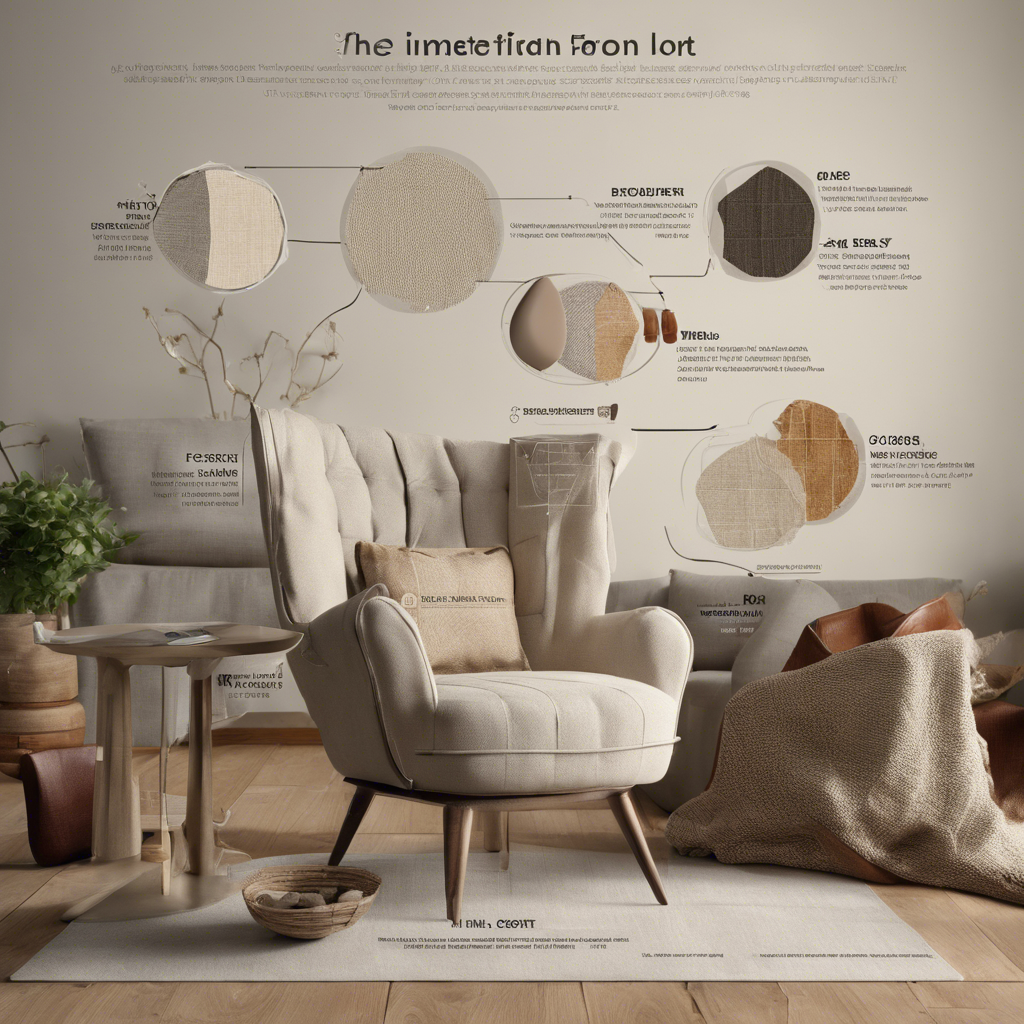
What Are The Key Characteristics Of Natural Vs. Synthetic Upholstery Fabrics?
Introduction
Upholstery fabrics significantly impact both the aesthetic appeal and practical functionality of furniture. Understanding the differences between natural and synthetic upholstery fabrics is crucial for making informed design choices and purchasing decisions that best fit your style and needs.
Key Characteristics of Natural Upholstery Fabrics
Natural upholstery fabrics are sourced from plants or animals and are highly regarded for their breathability, comfort, and distinct visuals. Popular natural upholstery options include cotton, linen, wool, and leather. While they offer a cozy and unique texture, it is important to note that some natural fabrics may not be as durable as premium synthetic alternatives.
- Eco-friendly: Typically biodegradable and sustainably sourced materials.
- Comfortable and breathable: Natural fibers enhance air circulation for comfort.
- Unique aesthetics: Each piece showcases individual characteristics due to inherent natural variations.
- Durability: Quality natural fabrics like leather or wool can be durable, although some require more maintenance.
Key Characteristics of Synthetic Upholstery Fabrics
Synthetic upholstery fabrics are human-made, commonly produced from materials such as polyester, nylon, or acrylic. These fabrics are engineered to imitate the appearance and texture of natural fibers while providing benefits such as stain resistance and increased durability. Synthetic fabrics are often more budget-friendly compared to their natural counterparts, making them a popular choice for various applications.
- Cost-effective: Generally more affordable than natural upholstery fabrics.
- Stain resistant: Many synthetic options are designed to repel spills and stains effectively.
- Variety: Available in a wide range of colors and patterns for extensive design flexibility.
- Durability: Synthetic fibers often provide greater resistance to wear and tear, ideal for high-traffic areas.
Conclusion
Ultimately, both natural and synthetic upholstery fabrics present unique advantages and disadvantages. Natural fabrics are prized for their warmth and distinctive appearance, while synthetic fabrics are celebrated for their durability, variety, and cost-effectiveness. The decision on which fabric to choose depends on personal style preferences, specific usage needs, and overall design goals.
Expert Quote
Dr. Sarah M. Reddington, Textile Expert and Professor at the University of Georgia
The decision between natural and synthetic upholstery fabrics often balances aesthetics, practicality, and sustainability. Natural fabrics add warmth and uniqueness to interiors, while synthetic materials deliver performance benefits that cater to the needs of modern living environments.
Article in the Journal of Textile Science, 2020
Relevant Links
Fiber vs. Fabric: Difference between Fiber and Fabric
https://icefabrics.com/blogs/news/fiber-vs-fabricWhat is Polyester Fabric: Properties, How its Made and Where ...
https://sewport.com/fabrics-directory/polyester-fabricHow to Pick the Best Upholstery Fabric for Your Furniture - FibreGuard
https://fibreguard.com/sell/blog/how-to-pick-the-best-upholstery-fabric-for-your-furnitureDifferent Types of Fabric: A Comprehensive Guide to Textile Choice
https://www.swagify.com/blog/different-types-of-fabric/Natural vs. Synthetic Fibers: What's the Difference? - 2024 ...
https://www.masterclass.com/articles/natural-vs-synthetic-fibersYouTube Videos
Most popular questions

How Do The Personal Relationships Among Gods Affect Their Decisions In The Iliad?
The intricate relationships among the gods in Homer's epic poem 'The Iliad' play a crucial role in shaping their actions and decisions. These divine interactions create a complex web of fates, where each god's personal alliances and rivalries directly influence the events of the mortal world.

What Strategies Can Parents Use To Educate Their Children About Online Safety Beyond Privacy Settings?
In today's digital landscape, teaching children about online safety is essential for their protection and well-being. While privacy settings play a critical role, parents can implement various strategies to create a thorough understanding of online safety principles among their children.
What Are The Different Types Of Insulation Materials Commonly Used In Buildings, And How Do They Compare In Terms Of Thermal Resistance?
Insulation materials are vital for enhancing energy efficiency in residential and commercial buildings by minimizing heat transfer. Understanding the various insulation types can lead to better choices for thermal resistance and overall comfort.
Most recent questions
What Role Does Live Streaming Technology Play In The Growth Of Esports And Its Audience Engagement Strategies?
Live streaming technology is a cornerstone of the explosive growth in esports, significantly enhancing audience engagement and participation. As esports continues to gain global popularity, exploring the impact of live streaming unveils how it shapes viewer experiences and fosters community interaction.
How Does The Transparency Of Algorithms Impact User Trust In Recommendation Systems?
In today's digital landscape, where personalized content is prevalent, understanding the transparency of recommendation algorithms is essential for building user trust. Knowledge of how these algorithms function can significantly affect users' perceptions and their likelihood of engaging with recommended content.
How Do Sponsors And Advertisers Perceive The Value Of Hybrid Sports And Esports Events Compared To Traditional Formats?
The surge in popularity of hybrid sports and esports is reshaping the world of sporting events, captivating sponsors and advertisers alike. As the landscape shifts, it is imperative to analyze how these stakeholders perceive the value of these innovative formats compared to traditional sports.