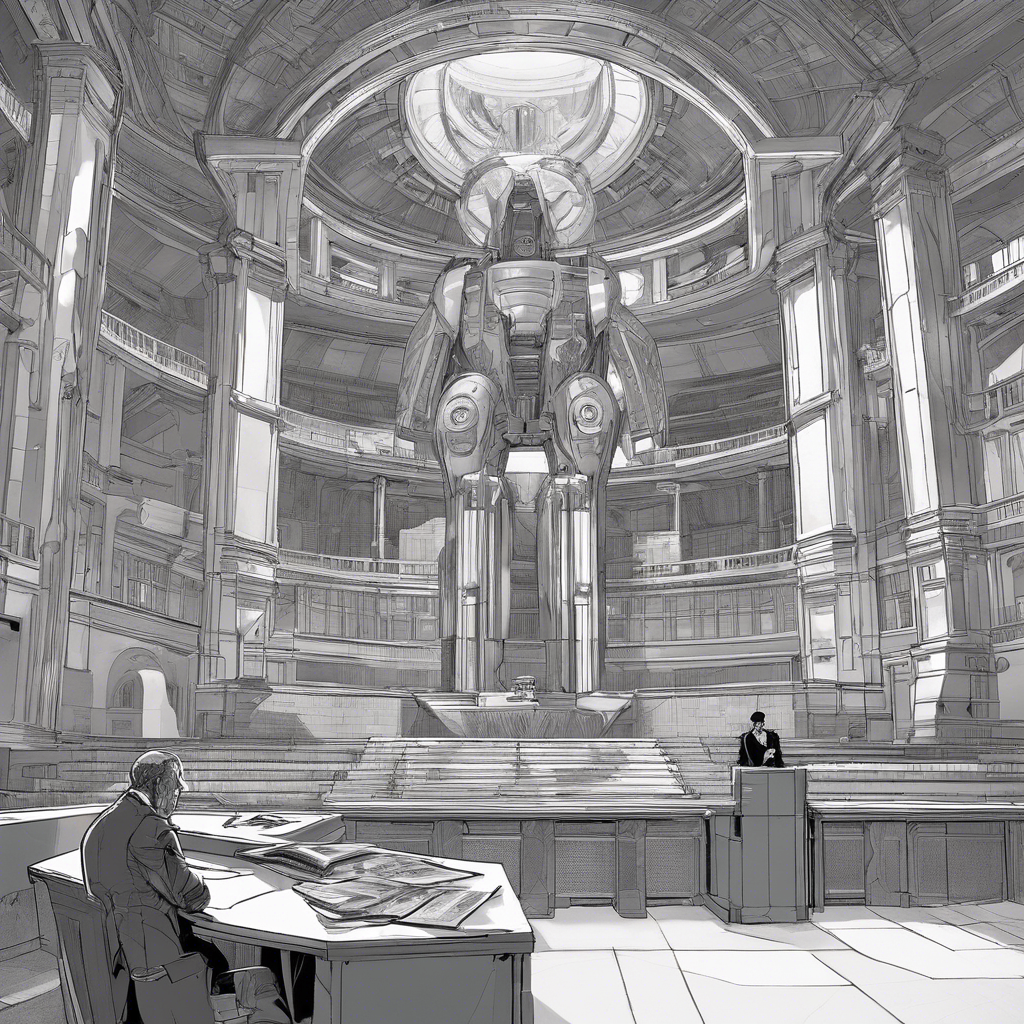
What Are The Limitations Of Existing Copyright Laws When Applied To Machine-generated Works?
Introduction
Copyright law is fundamentally designed to protect the rights of creators over their original works. However, when it comes to works generated by machines, the application of these copyright laws encounters significant challenges. This exploration delves into the limitations of current copyright regulations regarding machine-generated creations and their implications for the future of intellectual property rights.
Ambiguity in Authorship of Machine-Generated Works
One of the main limitations of existing copyright laws is the ambiguity surrounding the authorship of machine-generated works. Traditionally, copyright law grants exclusive rights to human authors, but when an AI or machine creates a work, identifying the rightful copyright owner becomes increasingly complex. For example, if an artificial intelligence program generates a piece of art or music, critical questions emerge about whether the programmer, the user, or the AI itself should be recognized as the author. This uncertainty can lead to disputes over ownership and rights, complicating enforcement of copyright and intellectual property rights.
- Current copyright laws primarily recognize human authors as the exclusive copyright holders.
- The involvement of AI technology in the creative process complicates authorship attribution.
Absence of Legal Precedents and Framework for AI Creations
Another significant limitation in copyright law is the lack of established legal precedents and a comprehensive framework for addressing machine-generated works. Unlike traditional creative works that have clear lines of authorship, the judicial systems around the world have yet to provide definitive guidelines for AI-generated content. This uncertainty can hinder creators from fully leveraging machine technologies for artistic or commercial purposes, as they may be concerned about potential legal repercussions, infringement claims, or ownership disputes.
- No tailored legal frameworks specifically addressing AI-generated works currently exist.
- Legal rulings regarding machine-generated content remain extremely limited, leaving a significant gap in legal understanding.
Challenges in Copyright Enforcement for AI-Generated Works
Enforcing copyright on machine-generated works introduces unique challenges. The inherently dynamic nature of AI means that works can evolve and change quickly, making it difficult to define a stable product that qualifies for copyright protection. Furthermore, if an AI system generates a work that closely resembles an existing copyrighted piece, it raises crucial questions about originality and potential infringement. Copyright enforcement relies on clear definitions of ownership and discrete boundaries, which are frequently absent with outputs created by artificial intelligence systems.
- AI's capacity to produce derivative works obscures traditional notions of originality.
- Defining the scope of a work generated by a constantly evolving system presents significant legal challenges.
Conclusion
In conclusion, the limitations of existing copyright law regarding machine-generated works underscore substantial challenges related to authorship, the urgent need for new legal frameworks, and the complexities of enforcement. As technology evolves, it will be essential for lawmakers to address these issues and modify the legal landscape to better accommodate the intricacies introduced by AI and automation technologies in creative fields.
Expert Quote
Prof. Ryan Calo, Professor of Law at University of Washington
As AI systems increasingly produce creative works, the law struggles to appropriately classify who owns these creations, which raises profound questions about the future of copyright law itself.
'The Law and Ethics of Artificial Intelligence: An Interdisciplinary Approach', Stanford Law Review, 2022
Relevant Links
Copyright Registration Guidance: Works Containing Material ...
https://copyright.gov/ai/ai_policy_guidance.pdfGenerative Artificial Intelligence and Copyright Law
https://crsreports.congress.gov/product/pdf/LSB/LSB10922Artificial Intelligence and Copyright
https://www.copyright.gov/ai/docs/Federal-Register-Document-Artificial-Intelligence-and-Copyright-NOI.pdfPam Samuelson Allocating Ownership Rights in Computer ...
https://www.law.berkeley.edu/wp-content/uploads/2024/01/Pam-Samuelson-Allocating-Ownership-Rights-in-Computer-Generated-Works.pdfWhat is Copyright? | U.S. Copyright Office
https://www.copyright.gov/what-is-copyright/YouTube Videos
Most popular questions

How Do The Personal Relationships Among Gods Affect Their Decisions In The Iliad?
The intricate relationships among the gods in Homer's epic poem 'The Iliad' play a crucial role in shaping their actions and decisions. These divine interactions create a complex web of fates, where each god's personal alliances and rivalries directly influence the events of the mortal world.

What Strategies Can Parents Use To Educate Their Children About Online Safety Beyond Privacy Settings?
In today's digital landscape, teaching children about online safety is essential for their protection and well-being. While privacy settings play a critical role, parents can implement various strategies to create a thorough understanding of online safety principles among their children.
What Are The Different Types Of Insulation Materials Commonly Used In Buildings, And How Do They Compare In Terms Of Thermal Resistance?
Insulation materials are vital for enhancing energy efficiency in residential and commercial buildings by minimizing heat transfer. Understanding the various insulation types can lead to better choices for thermal resistance and overall comfort.
Most recent questions
How Do Independent Filmmakers Utilize Social Media To Engage With Niche Audiences Compared To Mainstream Films?
Independent filmmakers are leveraging the power of social media to engage deeply with niche audiences, a strategy that often eludes mainstream films. By producing tailored content and actively interacting with their followers, independent creators are fostering dedicated communities that support their projects and vision.
What Historical Examples Demonstrate The Impact Of Fan Culture On The Creation And Popularity Of Mainstream Media Properties?
Fan culture has played a crucial role in transforming mainstream media properties. By fostering strong communities centered around specific interests, fans have the capability to propel niche content into global phenomena. This interaction between devoted fans and media creators not only enhances the popularity of a property but also influences its long-term direction and development in the entertainment industry.
What Role Does Audience Engagement Technology Play In Shaping Podcast Content And Distribution Strategies?
Audience engagement technology has revolutionized podcasting, allowing creators to enhance how their shows are developed, distributed, and consumed. By effectively utilizing listener data and innovative technologies, podcasters can tailor their content to better meet audience preferences and behaviors, leading to an improved and more engaging podcast experience.