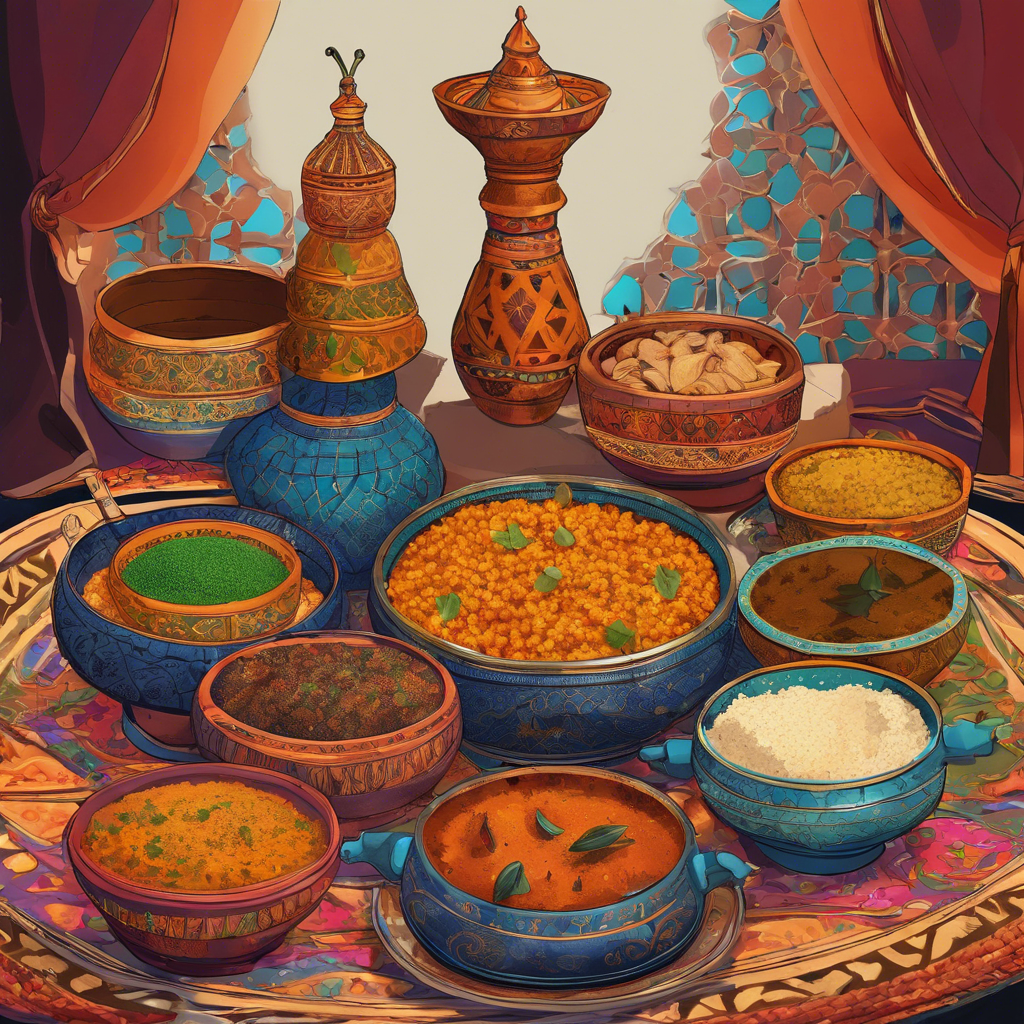
What Are The Most Significant Ingredients Used In Traditional Moroccan Cuisine?
Introduction
Traditional Moroccan cuisine is a remarkable fusion of flavors, colors, and textures, deeply influenced by diverse cultures over many centuries. This unique culinary style masterfully combines an array of spices, herbs, and staple ingredients, resulting in dishes that are not only aromatic but also hearty and satisfying.
Essential Spices and Herbs in Moroccan Cuisine
Spices are the heart of Moroccan cooking, lending depth and complexity to every dish. Signature spices such as the unique ras el hanout blend and aromatic saffron elevate Moroccan food to a true culinary art form.
- Cumin is widely used in Moroccan dishes for its earthy flavor, often featured in tagines and refreshing salads.
- Cinnamon adds warmth and sweetness, making it an ideal ingredient in savory dishes, rich stews, and delightful pastries.
- Coriander and parsley are essential herbs, frequently utilized both dried and fresh to enhance the flavors of various traditional dishes.
- Turmeric imparts a vibrant color and a slightly bitter taste, essential in many stews, particularly in authentic Berber cuisine.
Staple Ingredients of Moroccan Meals
In addition to spices, several key ingredients define meals in Morocco. The incorporation of grains, meats, and vegetables reflects the rich agricultural heritage and influences from both the Mediterranean and sub-Saharan Africa.
- Couscous, crafted from semolina, is a cornerstone of Moroccan cuisine, serving as a base for an array of meals, often delicately steamed to fluffy perfection in a traditional couscoussier.
- Lamb and chicken are the most popular sources of protein, with lamb being particularly cherished for festive occasions and family gatherings.
- Seasonal vegetables such as carrots, zucchini, eggplant, and bell peppers are commonly used in flavorful stews (tagines) and refreshing salads, showcasing the region's diverse produce.
Authentic Cooking Techniques in Moroccan Cuisine
Moroccan cuisine is characterized not only by its ingredients but also by the traditional techniques employed in food preparation. These authentic methods enhance flavors and yield distinctive textures in the dishes.
- Slow cooking in a tagine, a unique earthenware pot with a conical lid, allows flavors to blend harmoniously over several hours, especially for rich stews and fluffy couscous.
- Grilling meats over charcoal is a popular cooking method during family celebrations, imparting a smoky flavor integral to beloved dishes like kebabs and brochettes.
- Baking bread is a longstanding tradition in Moroccan culture, with round loaves (khobz) being essential at every meal, often served fresh from communal ovens.
Conclusion
Moroccan cuisine is a vibrant showcase of essential ingredients that come together to create its signature flavors. The harmonious use of spices, staple foods, and distinctive cooking techniques contribute to a rich culinary heritage influenced by both the Mediterranean and sub-Saharan regions.
Expert Quote
Dr. Peter Barham, Culinary Historian and Author
Moroccan cuisine is a rich blend of history and geography, where the interplay of spices and local ingredients creates an extraordinary culinary experience, deeply rooted in tradition.
Interview for 'The Flavors of Morocco', 2020
Relevant Links
13 Essential Ingredients For Moroccan Cooking
https://www.tastingtable.com/1449521/essential-ingredients-moroccan-cooking/How to Stock a Moroccan Pantry: Harissa, Ras el Hanout, and More
https://www.seriouseats.com/essential-ingredients-for-moroccan-cooking-harissa-ras-el-hanout-saffron-brikMoroccan Food Guide
https://amboora.com/pages/moroccan-food-guideMoroccan Mint Tea — My Moroccan Food
https://www.mymoroccanfood.com/home/2015/4/27/moroccan-mint-tea5 essential ingredients in Moroccan cooking - Morocco Travel Guide
https://www.arganiatravel.com/blog/the-5-ingredients-of-moroccan-gastronomy/YouTube Videos
Most popular questions

How Do The Personal Relationships Among Gods Affect Their Decisions In The Iliad?
The intricate relationships among the gods in Homer's epic poem 'The Iliad' play a crucial role in shaping their actions and decisions. These divine interactions create a complex web of fates, where each god's personal alliances and rivalries directly influence the events of the mortal world.

What Strategies Can Parents Use To Educate Their Children About Online Safety Beyond Privacy Settings?
In today's digital landscape, teaching children about online safety is essential for their protection and well-being. While privacy settings play a critical role, parents can implement various strategies to create a thorough understanding of online safety principles among their children.
What Are The Different Types Of Insulation Materials Commonly Used In Buildings, And How Do They Compare In Terms Of Thermal Resistance?
Insulation materials are vital for enhancing energy efficiency in residential and commercial buildings by minimizing heat transfer. Understanding the various insulation types can lead to better choices for thermal resistance and overall comfort.
Most recent questions
How Does The Rise Of Digital Platforms Affect The Accessibility Of Traditional Publishing For New Authors?
The evolution of digital publishing platforms has dramatically reshaped the traditional publishing industry, presenting both exciting opportunities and significant challenges for emerging authors. This digital transformation fosters avenues for self-publishing and enhances access to diverse audiences while simultaneously altering the operational dynamics of traditional publishing houses.
What Specific Social Media Strategies Do Indie Musicians Use To Increase Fan Engagement?
Indie musicians encounter distinct challenges in amplifying their visibility and building connections with their audience. To successfully navigate the competitive music industry landscape, numerous indie artists adopt effective social media strategies aimed at boosting fan engagement and developing a dedicated following.
How Do The Motivations Of Comic Book Heroes Influence Their Moral Choices Compared To Protagonists In Classic Literature?
The motivations driving comic book heroes originate from their unique origin stories and personal experiences, which profoundly shape their moral choices. Conversely, protagonists in classic literature are often influenced by societal norms, philosophical ideals, and internal struggles. This essential difference leads to varying interpretations of morality within their respective narratives, enriching the analysis of character motivations.