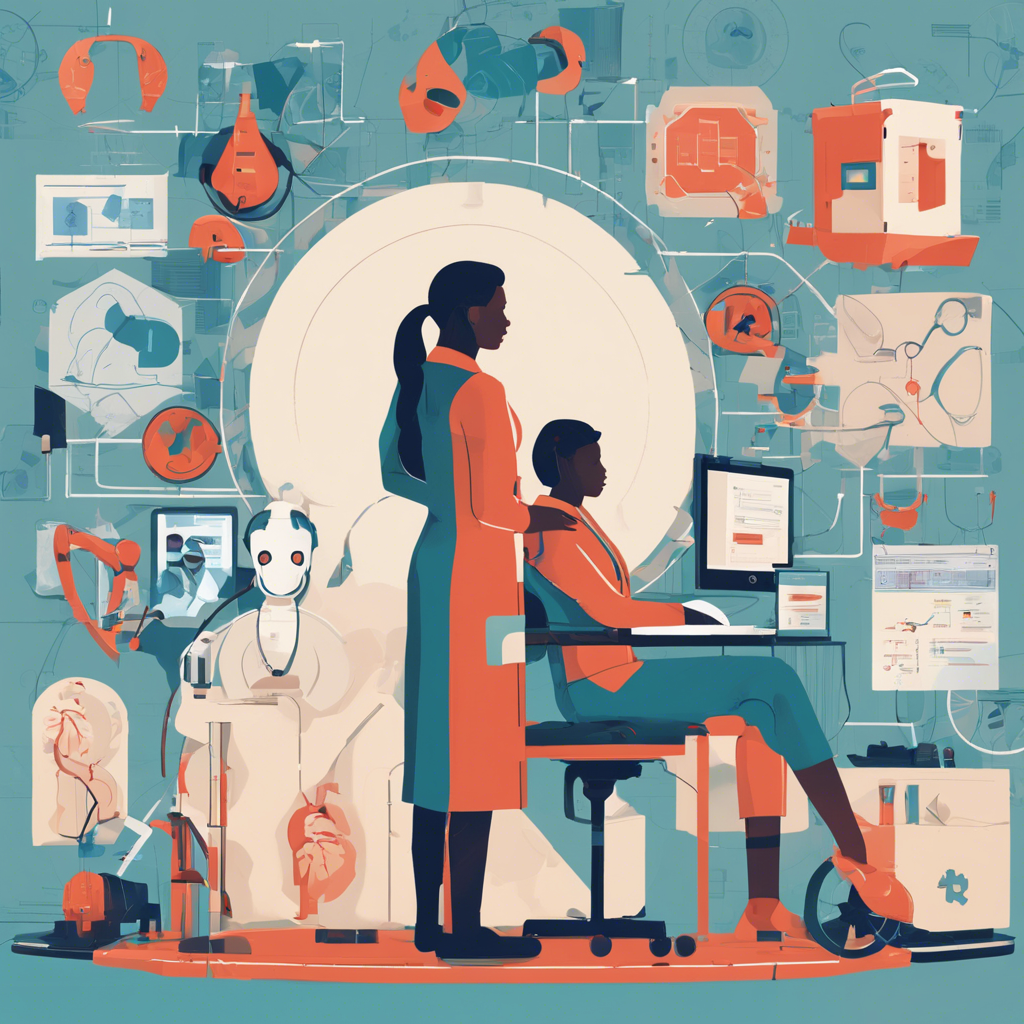
What Are The Potential Ethical Concerns Associated With Using AI Tools For Diagnostic Purposes?
Introduction
The integration of Artificial Intelligence (AI) tools in healthcare diagnostics is transforming the industry. However, this technology also brings forth significant ethical challenges that require thorough examination and proactive solutions.
Primary Ethical Challenges in AI Diagnostics
A major ethical challenge surrounding AI in diagnostics is the risk of bias present in the datasets used for training these intelligence systems. If the training data does not accurately reflect the diversity of the population, it could result in misdiagnoses for marginalized groups. This bias often stems from past imbalances in data acquisition and the representation of diverse populations in clinical research. Moreover, accountability issues arise when AI systems make errors in diagnosis; it can be unclear whether the responsibility lies with the software developers, healthcare providers, or the institutions that implement the AI technology. Additionally, the opacity of AI algorithms can erode trust among patients and healthcare professionals, as it becomes difficult to verify the reasoning behind specific medical decisions.
- Bias in AI training data risks discrimination against certain groups.
- Determining accountability for diagnostic errors poses ethical dilemmas.
- Lack of clarity in AI processes can reduce trust in medical AI tools.
Effects of AI on Healthcare Professionals
AI technology is poised to reshape the function of healthcare professionals in significant ways. While AI can alleviate burdens and improve diagnostic precision, there are concerns that excessive reliance on such tools might erode clinical skills over time. If medical practitioners become overly dependent on AI diagnostics, they may lose valuable critical thinking abilities and hands-on expertise. Nevertheless, it is crucial to view AI as an augmentation of human intelligence, not as a replacement. Furthermore, the emergence of AI in healthcare may evoke fears of job loss, generating important discussions about the obligations of healthcare organizations to support their employees amid technological advancements.
- Excessive reliance on AI can diminish clinical skills in healthcare workers.
- AI is designed to enhance, not substitute, medical professionals' expertise.
- Potential job loss due to AI integration raises workforce stability issues.
Conclusion
In summary, while AI tools have the potential to significantly enhance diagnostic accuracy and efficiency, addressing the ethical issues they introduce is essential. Ensuring equity, clarity, and accountability will be crucial in the successful implementation of AI into healthcare settings. Furthermore, continuous education and resources for healthcare professionals will be vital in preserving their diagnostic competencies in an increasingly AI-driven landscape.
Expert Quote
Dr. Eric Topol, a leading Cardiologist and Author in Digital Medicine
The ethical dimensions of AI in healthcare carry substantial weight, particularly regarding bias and accountability. We must prioritize transparency and fairness in these systems; otherwise, we risk worsening existing healthcare disparities.
The Ethical AI in Health Summit, 2022
Relevant Links
Privacy and ethical challenges in next-generation sequencing - PMC
https://pmc.ncbi.nlm.nih.gov/articles/PMC7413244/The Ethics of AI in Healthcare
https://hitrustalliance.net/blog/the-ethics-of-ai-in-healthcareUnraveling the Ethical Enigma: Artificial Intelligence in Healthcare ...
https://pmc.ncbi.nlm.nih.gov/articles/PMC10492220/Democratising or disrupting diagnosis? Ethical issues raised by the ...
https://www.sciencedirect.com/science/article/pii/S2667321523000240Use of AI-based tools for healthcare purposes: a survey study from ...
https://bmcmedinformdecismak.biomedcentral.com/articles/10.1186/s12911-020-01191-1YouTube Videos
Most popular questions

How Do The Personal Relationships Among Gods Affect Their Decisions In The Iliad?
The intricate relationships among the gods in Homer's epic poem 'The Iliad' play a crucial role in shaping their actions and decisions. These divine interactions create a complex web of fates, where each god's personal alliances and rivalries directly influence the events of the mortal world.

What Strategies Can Parents Use To Educate Their Children About Online Safety Beyond Privacy Settings?
In today's digital landscape, teaching children about online safety is essential for their protection and well-being. While privacy settings play a critical role, parents can implement various strategies to create a thorough understanding of online safety principles among their children.
What Are The Different Types Of Insulation Materials Commonly Used In Buildings, And How Do They Compare In Terms Of Thermal Resistance?
Insulation materials are vital for enhancing energy efficiency in residential and commercial buildings by minimizing heat transfer. Understanding the various insulation types can lead to better choices for thermal resistance and overall comfort.
Most recent questions
What Role Does Authenticity Play In The Effectiveness Of Celebrity Endorsements On Social Media?
Authenticity in celebrity endorsements on social media represents a key driver of their success. It reveals how genuinely a celebrity promotes a product or service, significantly affecting audience perception, engagement, and trust, thereby enhancing marketing outcomes.
How Can Emerging Musical Artists Themselves Leverage Social Media Platforms To Enhance Their Visibility And Reach?
Emerging musical artists face the challenge of gaining visibility in an increasingly competitive music industry. Social media platforms have become essential tools for these artists to engage with audiences, promote their music, and establish a distinctive personal brand.
How Do Different Fruits Influence The Choice Of Dessert Wine?
Understanding how various fruits affect the selection of dessert wine is crucial for crafting delightful pairings that elevate the overall dining experience. This interaction can transform a basic meal into a memorable culinary adventure for the senses, creating unforgettable moments.