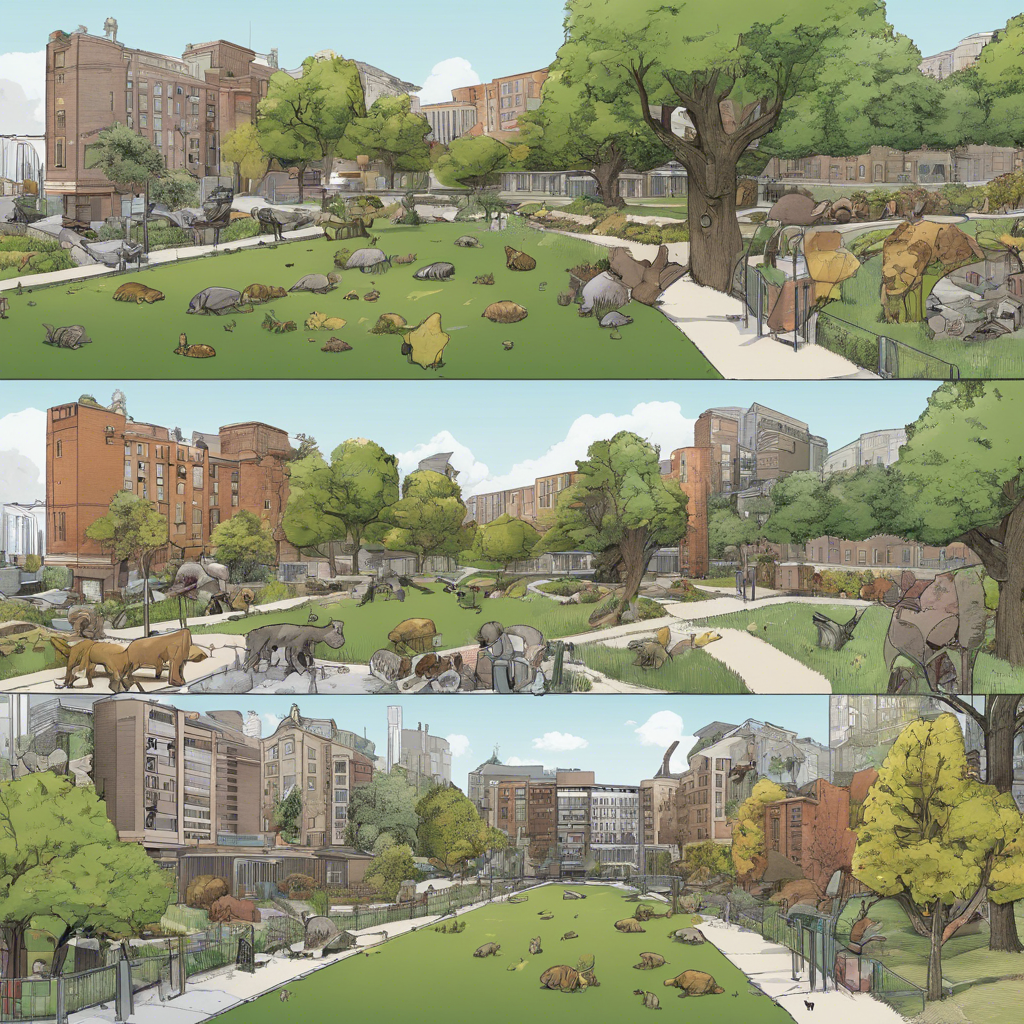
What Are The Potential Social Implications Of Reintroducing A Cloned Species In An Urban Area?
Introduction
The reintroduction of cloned species into urban environments presents intricate social dynamics and potential implications that can significantly affect various stakeholders within the community. A deep understanding of these implications is crucial for ensuring successful integration and fostering community acceptance of cloned organisms.
Community Acceptance and Perception of Cloned Species
The introduction of a cloned species into urban surroundings can trigger a spectrum of reactions from local communities, shaped by cultural beliefs, ethical considerations, and public perceptions. Positive community acceptance can enrich biodiversity, while negative perceptions often generate fear and opposition.
- Educating the community on the ecological benefits of biodiversity and sustainable ecosystems.
- Addressing concerns regarding the ethics of animal cloning and the viability of cloned populations.
- Mitigating potential stigma tied to genetically modified organisms and their influence on natural ecosystems.
Effects on Local Ecosystems and Biodiversity
The reintroduction of a cloned species has the potential to disrupt existing local ecosystems and species interactions. It is essential to assess the ecological role and behavioral characteristics of the cloned species prior to introduction, to mitigate risks of outcompeting native fauna or causing habitat alterations.
- Enhancements to biodiversity may include bolstering genetic variation in critically endangered species.
- Ecological risks encompass disruptions to food webs and competition for resources with native species unable to adapt to the cloned organisms.
- Effective monitoring and management of the cloned species' interactions with local flora and fauna are paramount for ecological stability.
Legal Framework and Ethical Considerations in Cloning
The legal landscape surrounding cloning and species reintroduction significantly shapes societal perceptions and challenges. Ethical discussions emerge around the rights of cloned organisms and the moral obligations humans have in managing these species, particularly concerning the well-being of the reintroduced populations.
- Establishing regulations for cloning practices to ensure ethical application of technology in conservation efforts.
- Conducting public engagement initiatives to explore the ethical dimensions of introducing cloned species.
- Creating guidelines to evaluate unforeseen consequences and conduct thorough impact assessments following species reintroductions.
Conclusion
In conclusion, while the reintroduction of cloned species in urban settings holds promise for ecological restoration and biodiversity enhancement, it carries complex social implications requiring thoughtful consideration of community attitudes, ecological effects, and ethical commitments. Engaging with all stakeholders and proactively addressing concerns is vital for achieving successful outcomes.
Expert Quote
Dr. Stewart Brand, Founder of the Long Now Foundation
We have a responsibility to understand the long-term implications of our actions on both ecosystems and our own society when introducing new technologies such as cloning.
Interview with The Atlantic, 2018
Relevant Links
Cloning humans? Biological, ethical, and social considerations - PMC
https://pmc.ncbi.nlm.nih.gov/articles/PMC4517218/The ecology of de‐extinction - Seddon - 2017 - Functional Ecology ...
https://besjournals.onlinelibrary.wiley.com/doi/full/10.1111/1365-2435.12856Pathways to de‐extinction: how close can we get to resurrection of ...
https://besjournals.onlinelibrary.wiley.com/doi/full/10.1111/1365-2435.12705CLONING HUMAN BEINGS
https://bioethicsarchive.georgetown.edu/nbac/pubs/cloning1/cloning.pdfMetaverse beyond the hype: Multidisciplinary perspectives on ...
https://www.sciencedirect.com/science/article/pii/S0268401222000767YouTube Videos
Most popular questions

How Do The Personal Relationships Among Gods Affect Their Decisions In The Iliad?
The intricate relationships among the gods in Homer's epic poem 'The Iliad' play a crucial role in shaping their actions and decisions. These divine interactions create a complex web of fates, where each god's personal alliances and rivalries directly influence the events of the mortal world.

What Strategies Can Parents Use To Educate Their Children About Online Safety Beyond Privacy Settings?
In today's digital landscape, teaching children about online safety is essential for their protection and well-being. While privacy settings play a critical role, parents can implement various strategies to create a thorough understanding of online safety principles among their children.
What Are The Different Types Of Insulation Materials Commonly Used In Buildings, And How Do They Compare In Terms Of Thermal Resistance?
Insulation materials are vital for enhancing energy efficiency in residential and commercial buildings by minimizing heat transfer. Understanding the various insulation types can lead to better choices for thermal resistance and overall comfort.
Most recent questions
What Impact Do Magical Creatures In Literature Have On Human Emotions And Societal Conflicts In Storytelling?
The role of magical creatures in literature is significant as they reflect human emotions and societal conflicts. These enchanting beings not only captivate readers but also serve as a vehicle for exploring complex human experiences, making them essential to storytelling.
How Do Audience Dynamics Differ Between Immersive Theater Experiences And Traditional Play Settings?
The dynamics of audience interaction differ significantly between immersive theater experiences and traditional theater settings. These differences greatly influence how audiences engage, perceive, and involve themselves in the narrative, ultimately impacting their overall theater experience.
In What Ways Can International Cuisine Collaborations Impact Culinary Innovation Over Time?
International cuisine collaborations play a vital role in culinary innovation by seamlessly blending diverse flavors, cooking techniques, and cultural practices from around the globe. This dynamic process not only enhances culinary creativity but also fosters cultural exchange and mutual understanding among different communities.