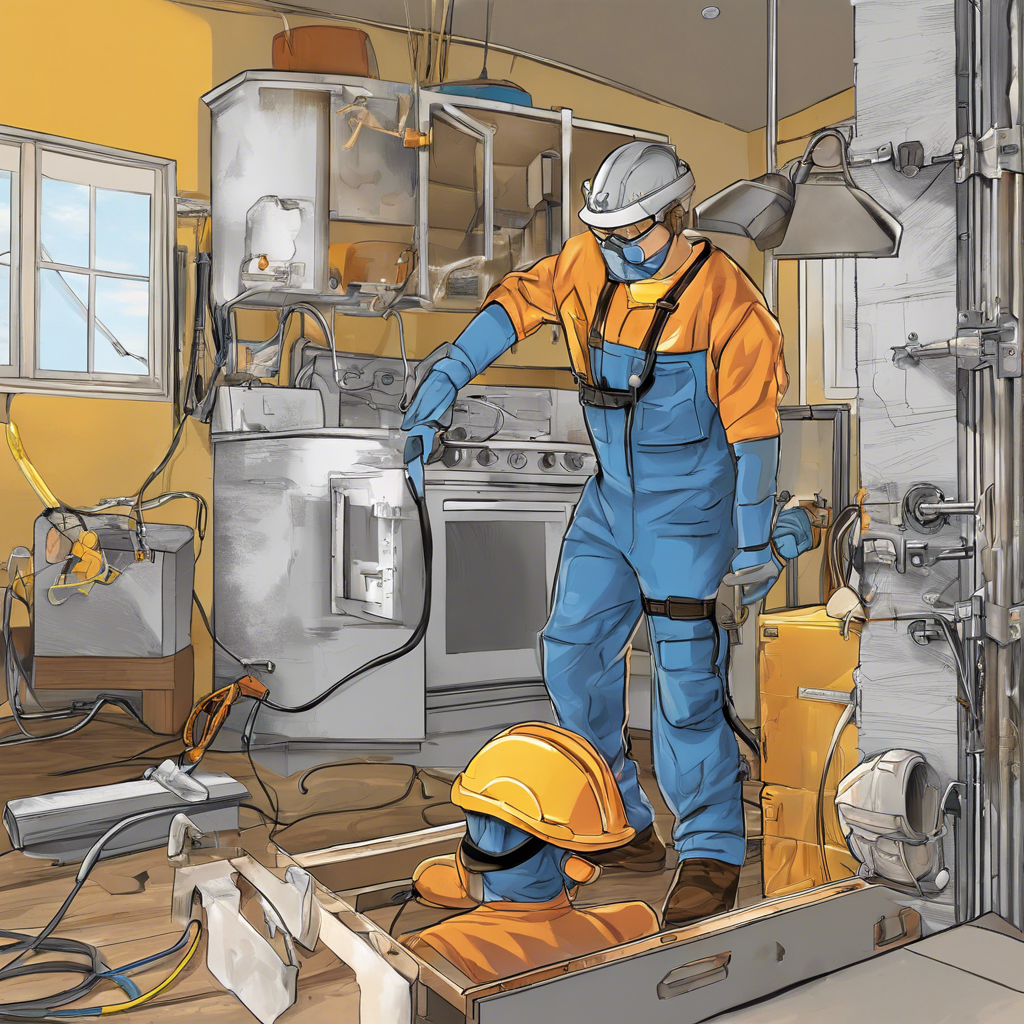
What Are The Safety Considerations For DIY Electrical Work?
Introduction
Embarking on DIY electrical projects can be immensely satisfying, but it poses considerable dangers. Mastering essential electrical safety principles is crucial to avoiding accidents, injuries, and property damage while engaging in DIY home improvement.
Understanding Electrical Safety Fundamentals
Electrical work involves numerous hazards like electric shocks, fires, and short circuits. It is vital to comprehend basic electrical principles before beginning any project. Imagine electricity as water flowing through pipes; both can incur serious issues if blocked or leaking. Always treat electricity with caution and be proactive in addressing any concerns promptly.
- Always assume all electrical wires are energized unless tested otherwise.
- Utilize insulated tools to mitigate the risk of electric shocks.
- Deactivate power at the breaker box before initiating any electrical work.
- Avoid conducting electrical activities in wet conditions to minimize the risk of electric shocks.
Importance of Personal Protective Equipment (PPE)
Wearing the appropriate personal protective equipment can significantly impact your safety when working with electricity. Much like how a construction worker dons a hard hat for protection from falling objects, electrical workers must also wear PPE to guard against electrical hazards.
- Safety goggles to shield your eyes from sparks and debris.
- Rubber gloves specifically rated for electrical work to provide insulation from electric shocks.
- Non-conductive footwear to lower the risk of electric shocks.
- Have a fire extinguisher suitable for electrical fires readily accessible.
Identifying Common Electrical Hazards
Recognizing common electrical hazards allows for effective preventive actions. Visualizing these risks can serve as your roadmap to safety, much like road signs indicate caution on the highway.
- Overloaded circuits can ignite fires; always assess circuit capacity before plugging in devices.
- Frayed or damaged cables can expose wiring; consistently inspect cables and promptly replace any that are compromised.
- Improper grounding poses a risk of electrocution; confirm that ground connections are secure and frequently monitored.
- Using outdated or poorly designed outlets and plugs can elevate incident risks; always opt for devices that adhere to current safety standards.
Knowing When to Hire a Professional Electrician
Numerous DIY electrical tasks are manageable; however, certain projects require professional expertise. This is comparable to recognizing when to seek a mechanic's services for intricate automotive issues instead of attempting repairs on your own.
- Complex wiring installations that necessitate permits and adherence to local electrical codes.
- Work involving the main electrical panel should be addressed by a licensed electrician.
- Upgrading to higher voltage electrical systems carries substantial safety risks without proper qualifications.
- Tasks that rigidly conform to local code requirements should receive the oversight of a qualified professional.
Conclusion
In conclusion, engaging in DIY electrical projects necessitates a comprehensive awareness of the inherent risks and the application of robust safety protocols. Prioritize your safety, correctly utilize personal protective equipment, and seek expert assistance when necessary. This approach not only enables you to enjoy your DIY endeavors but also significantly reduces potential hazards.
Expert Quote
John M. Broughton, P.E., Electrical Engineering Consultant
Electrical safety is not just about adhering to regulations; it entails understanding the intrinsic risks associated with electricity and implementing proactive strategies to mitigate those risks, particularly during DIY projects.
Broughton, J.M. (2020). Electrical Safety: A Comprehensive Guide for DIY Enthusiasts.
Relevant Links
What safety precautions should be taken when undertaking DIY ...
https://www.diychatroom.com/threads/what-safety-precautions-should-be-taken-when-undertaking-diy-projects-involving-electrical-work.765543/Is it really illegal to do DIY electrical work? : r/AskAnAustralian
https://www.reddit.com/r/AskAnAustralian/comments/15jdt9d/is_it_really_illegal_to_do_diy_electrical_work/Reasons Why You Shouldn't DIY Electrical Work | Suburban
https://suburbanenterprises.com/reasons-why-you-shouldnt-diy-electrical-work/Do-It-Yourself (DIY) Electrical Safety - Electrical Safety Foundation
https://www.esfi.org/do-it-yourself-diy-electrical-safety/Safety Precautions for DIY Electrical Repairs | Yoder Electric
https://yoderelectric.com/safety-precautions-for-diy-electrical-repairs/YouTube Videos
Most popular questions

How Do The Personal Relationships Among Gods Affect Their Decisions In The Iliad?
The intricate relationships among the gods in Homer's epic poem 'The Iliad' play a crucial role in shaping their actions and decisions. These divine interactions create a complex web of fates, where each god's personal alliances and rivalries directly influence the events of the mortal world.

What Strategies Can Parents Use To Educate Their Children About Online Safety Beyond Privacy Settings?
In today's digital landscape, teaching children about online safety is essential for their protection and well-being. While privacy settings play a critical role, parents can implement various strategies to create a thorough understanding of online safety principles among their children.
What Are The Different Types Of Insulation Materials Commonly Used In Buildings, And How Do They Compare In Terms Of Thermal Resistance?
Insulation materials are vital for enhancing energy efficiency in residential and commercial buildings by minimizing heat transfer. Understanding the various insulation types can lead to better choices for thermal resistance and overall comfort.
Most recent questions
What Is The Process For Obtaining A Public Performance License For A Concert?
Obtaining a public performance license for concerts is essential for musicians and event organizers to ensure legal compliance when performing copyrighted music. This licensing process protects the rights of songwriters and copyright owners while enabling artists to legally showcase their music and receive fair compensation for their performances.
How Do Character Traits And Motivations Shape Party Dynamics In Tabletop Role-playing Games?
Character traits and motivations are essential components that significantly influence the dynamics of player parties in tabletop role-playing games (RPGs). These elements affect player interactions, decision-making processes, and the progression of the narrative, resulting in an engaging and immersive gaming experience.
What Are The Most Effective Social Media Platforms For Discussing Travel Experiences, And How Do Their Audiences Vary?
Exploring travel experiences on social media offers a dynamic and engaging way to share and discover adventures around the world. Each platform caters to specific audiences with unique features that enhance storytelling, making social media an essential tool for travelers.