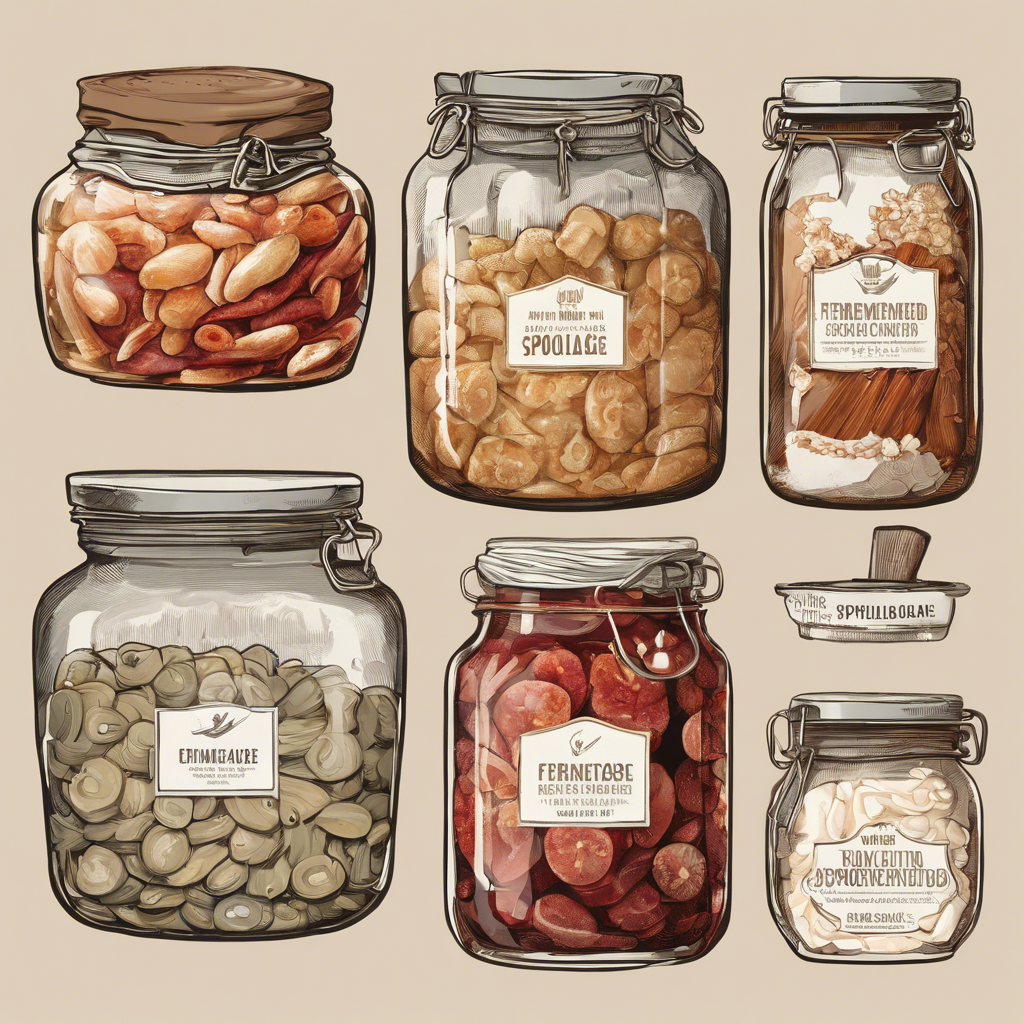
What Are The Signs Of Spoilage In Homemade Fermented Foods?
Introduction
Understanding how to identify spoilage in homemade fermented foods is essential for ensuring food safety and maximizing the health benefits associated with fermentation. Homemade ferments can enhance flavors and introduce beneficial probiotics, but they require proper preparation and storage to prevent spoilage. This comprehensive guide will help you recognize the signs of spoilage in your fermented foods safely and efficiently for optimal health and enjoyment.
Visual Signs of Spoilage in Fermented Foods
The visual appearance of your fermented food can provide important clues about its freshness and safety. When inspecting your jars, be vigilant for any unusual changes that may indicate spoilage. Common signs include abnormal colors, strange textures, and visible contaminants. Here are some essential visual indicators to watch for:
- Discoloration: Unexpected colors such as brown, gray, or black might signal spoilage, especially if these colors extend across the food.
- Mold Growth: The appearance of fuzzy mold (which can be green, white, or black) on the surface is a strong sign of spoilage, particularly if it is not characteristic of the fermentation process.
- Separation: For liquid ferments, significant layer separation or unusual sediment buildup may serve as a warning sign of spoilage.
Sensory Indicators of Spoilage in Fermented Foods
In addition to visual cues, sensory observations—including smell and taste—play a critical role in detecting spoilage. Fermented foods should produce a pleasant, tangy aroma. If anything smells off or unpleasant, it is best to avoid consuming the product.
- Off Smell: A foul or rancid odor often indicates spoilage. Fermented foods releasing such smells should not be consumed.
- Strange Texture: Changes in texture such as excessive mushiness, sliminess, or grittiness are red flags.
- Tasting Changes: If the taste is off or excessively sour, this could signal spoilage. If it doesn’t taste right, it’s better to discard it.
Additional Considerations for Safe Fermentation
Beyond visual and sensory signs, other important factors can help validate the safety of your homemade fermented foods. Monitoring fermentation conditions, appropriate storage, and practicing good hygiene are vital in preventing spoilage.
- Fermentation Time: Exceeding recommended fermentation times, particularly under unsuitable environmental conditions, can lead to spoilage.
- Proper Storage: Always store your ferments under optimal conditions—refrigeration is essential for finished products for many types of ferments.
- Hygiene Practices: Maintain cleanliness by washing hands, using sanitized utensils, and ensuring jars are properly sterilized to reduce the risk of contamination.
Conclusion
By carefully observing visual signs, utilizing your senses, and adhering to safe fermentation practices, you can ensure that your homemade fermented foods remain safe, nutritious, and delicious. It's crucial to trust your instincts; when uncertain, it’s always safer to err on the side of caution and dispose of questionable products.
Expert Quote
Sandor Katz, Fermentation Expert and Author
Proper fermentation relies on a careful balance of time, temperature, and culture. Recognizing the signs of spoilage—like off-smells, unusual colors, and mold—is essential to ensuring safe consumption.
The Art of Fermentation, 2012
Relevant Links
Linking microbial contamination to food spoilage and food waste ...
https://www.ncbi.nlm.nih.gov/pmc/articles/PMC10325786/Microbial Fermentation and Its Role in Quality Improvement of ...
https://www.mdpi.com/2311-5637/6/4/106Main Groups of Microorganisms of Relevance for Food Safety and ...
https://www.ncbi.nlm.nih.gov/pmc/articles/PMC7150063/Microbial spoilage of vegetables, fruits and cereals - ScienceDirect
https://www.sciencedirect.com/science/article/pii/S2772502222000828Signs of Food Spoilage
https://extension.psu.edu/signs-of-food-spoilageYouTube Videos
Most popular questions

How Do The Personal Relationships Among Gods Affect Their Decisions In The Iliad?
The intricate relationships among the gods in Homer's epic poem 'The Iliad' play a crucial role in shaping their actions and decisions. These divine interactions create a complex web of fates, where each god's personal alliances and rivalries directly influence the events of the mortal world.

What Strategies Can Parents Use To Educate Their Children About Online Safety Beyond Privacy Settings?
In today's digital landscape, teaching children about online safety is essential for their protection and well-being. While privacy settings play a critical role, parents can implement various strategies to create a thorough understanding of online safety principles among their children.
What Are The Different Types Of Insulation Materials Commonly Used In Buildings, And How Do They Compare In Terms Of Thermal Resistance?
Insulation materials are vital for enhancing energy efficiency in residential and commercial buildings by minimizing heat transfer. Understanding the various insulation types can lead to better choices for thermal resistance and overall comfort.
Most recent questions
How Do Online Fan Communities Influence The Portrayal Of Identity And Representation In Mainstream Media?
The emergence of online fan communities has profoundly transformed how identity and representation are depicted in mainstream media. These vibrant fandoms, centered around specific interests, play an essential role in shaping narratives, characters, and the dynamics of representation across diverse platforms.
What Role Do Influencers On Social Media Play In Shaping Musical Taste Among Urban Youth?
In today's digital age, social media influencers have become essential in shaping the musical tastes of urban youth. With millions of followers across platforms like Instagram, TikTok, and YouTube, these influential figures possess considerable power in introducing new artists, emerging genres, and captivating trends. Understanding the intricacies of their influence and its implications for music consumption is crucial.
How Do Viewer Demographics Influence The Selection Of Themes And Narratives In Television Series?
Viewer demographics are essential in shaping the themes and narratives of television series. By analyzing the audience’s age, gender, cultural background, and viewing preferences, producers can significantly enhance the storytelling strategy of a show and improve its overall appeal.