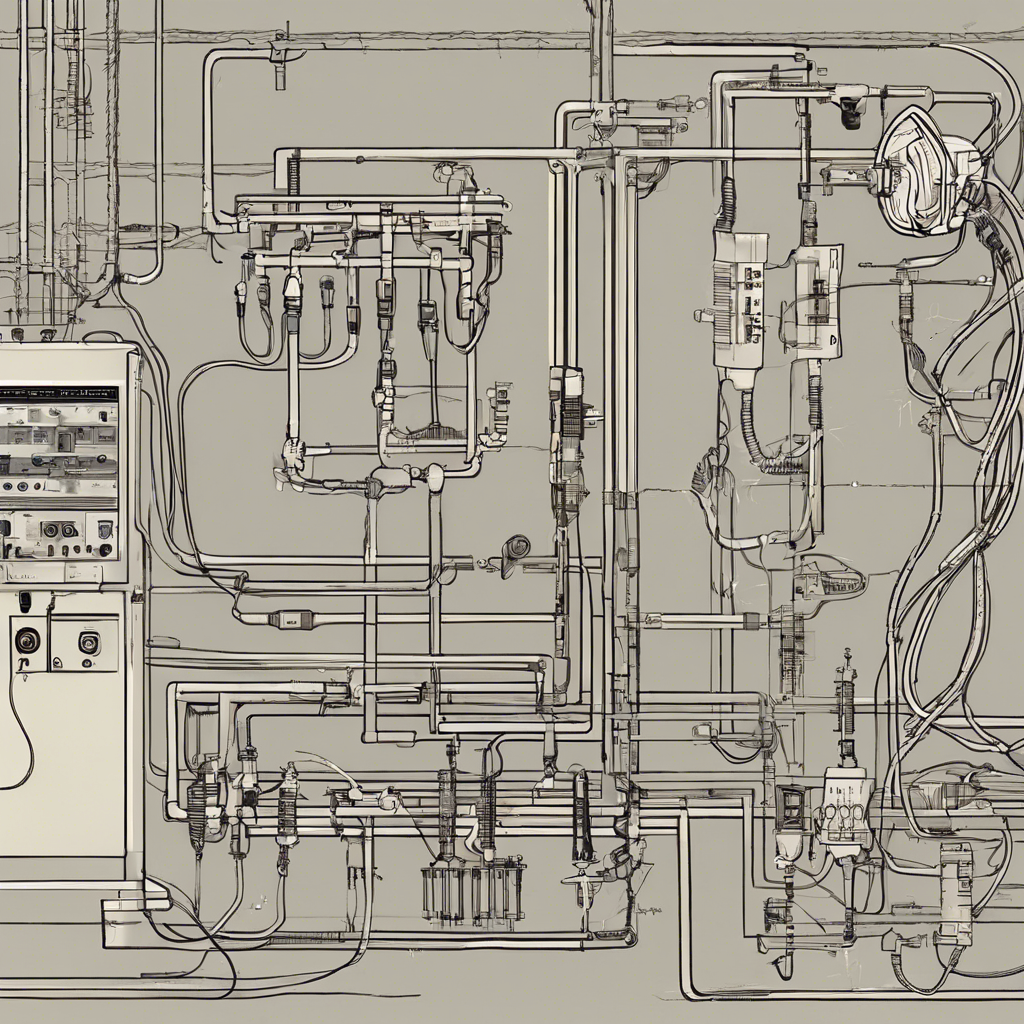
What Are The Specific Hazards Associated With Working On Electrical Systems?
Introduction
Working with electrical systems presents numerous hazards that can result in serious injuries or fatalities. Understanding these electrical dangers is crucial for anyone engaged in electrical work, including construction, maintenance, and repairs. A thorough awareness of these risks can significantly reduce accidents and enhance workplace safety protocols.
Electrical Shock Hazards
Electrical shock is a major risk inherent in electrical work. This occurs when an individual inadvertently becomes a part of the electric circuit, leading to potential severe injuries or even fatal outcomes. The impact of the shock is influenced by factors such as voltage, current, the pathway of the current through the body, and the duration of exposure. Importantly, even low voltage can pose significant dangers, particularly in specific conditions.
- Low voltage shocks (below 50 volts) may produce a tingling sensation, but they can still be hazardous in wet conditions, leading to electrical accidents.
- Intermediate voltage shocks can cause muscle contractions, loss of control, and result in secondary injuries like falls, emphasizing the importance of safety precautions.
- High voltage shocks can be lethal, potentially causing cardiac arrest or severe thermal injuries, underlining the need for stringent safety measures.
Arc Flash and Arc Blast Risks
An arc flash represents a hazardous event where an electric current passes through the air between ungrounded conductors or from a conductor to ground. This can generate intense heat and light, leading to critical injuries. An arc blast may occur simultaneously, creating a powerful pressure wave that can cause additional injuries. Awareness of these conditions is vital for ensuring safety within electrical environments.
- The temperature from an arc flash can exceed 35,000°F, often leading to serious burns and other debilitating injuries.
- The force of an arc blast can result in hearing damage, especially for individuals close to the incident, underscoring the need for protective measures.
- Implementing proper personal protective equipment (PPE), such as flame-resistant garments, can substantially mitigate these hazards, enhancing worker safety.
Electrical Fire Risks
Electrical systems are prone to fire hazards due to issues like faulty wiring, overloaded circuits, or malfunctioning devices. Fires can ignite when wires overheat or when insulation fails, resulting in sparks. Adhering to electrical safety codes is crucial to prevent these fire risks and ensure safe operation.
- Overloaded circuits present a significant fire risk, especially if wiring is not rated for the electrical load, stressing the need for caution in usage.
- Using defective electrical equipment can lead to fire hazards, highlighting the necessity for regular equipment assessments and maintenance.
- Conducting routine inspections and maintenance of electrical systems can diminish fire risks considerably, ensuring adherence to safety standards and protocols.
Environmental Electrical Hazards
Working with electrical systems in damp or wet conditions increases the likelihood of electrical shock incidents. The interaction of water and electricity heightens the potential for shocks and other hazards. Therefore, it is imperative to implement safety protocols to mitigate these environmental risks.
- Ensure that work locations are dry and free of standing water to significantly lower the risk of electrical accidents.
- Utilize GFCI (Ground Fault Circuit Interrupter) outlets in wet areas to enhance safety and reduce shock hazards.
- Maintain appropriate insulation and secure enclosures on electrical devices to prevent moisture contact, reducing the risk of electrical shock.
Training and Awareness Deficiencies
The absence of proper training is among the most serious electrical hazards. Workers must be well-informed about electrical systems, safety practices, and emergency response to reduce risks effectively. Ongoing education is essential to sustain a safe working atmosphere.
- Training programs should encompass electrical safety standards, addressing new technologies and best practices in the field.
- Regular refresher courses are vital to retain updated safety knowledge and respond to emerging safety challenges and technologies.
- Being aware of the work environment and potential risks is critical for safety, enabling workers to react appropriately to any changes or hazards.
Conclusion
Recognizing the specific hazards associated with electrical work is essential for promoting safety. By identifying risks such as electrical shock, arc flash phenomena, fire hazards, and environmental challenges, while also providing adequate training, the likelihood of accidents can be greatly diminished. Always prioritize safety measures and stay informed about best practices in electrical work to create a safer workplace environment.
Expert Quote
John R. B. McCarthy, Safety Consultant and Electrical Engineer
The risks associated with electrical systems are substantial, and ensuring safety on site requires proper training, heightened awareness, and the implementation of protective measures.
Article from Electrical Safety Foundation International (ESFI) Safety Protocols, 2022
Relevant Links
Electrical Hazards: Importance & Examples | SafetyCulture
https://safetyculture.com/topics/electrical-hazards/What Are Electrical Hazards? | Dangers of Electricity
https://elecsafety.co.uk/what-are-electrical-hazards/Using Portable Generators Safely
https://www.osha.gov/sites/default/files/publications/OSHA3286.pdfIntroduction to electrical safety - HSE
https://www.hse.gov.uk/electricity/precautions.htmElectrical - Overview | Occupational Safety and Health Administration
https://www.osha.gov/electricalYouTube Videos
Most popular questions

How Do The Personal Relationships Among Gods Affect Their Decisions In The Iliad?
The intricate relationships among the gods in Homer's epic poem 'The Iliad' play a crucial role in shaping their actions and decisions. These divine interactions create a complex web of fates, where each god's personal alliances and rivalries directly influence the events of the mortal world.

What Strategies Can Parents Use To Educate Their Children About Online Safety Beyond Privacy Settings?
In today's digital landscape, teaching children about online safety is essential for their protection and well-being. While privacy settings play a critical role, parents can implement various strategies to create a thorough understanding of online safety principles among their children.
What Are The Different Types Of Insulation Materials Commonly Used In Buildings, And How Do They Compare In Terms Of Thermal Resistance?
Insulation materials are vital for enhancing energy efficiency in residential and commercial buildings by minimizing heat transfer. Understanding the various insulation types can lead to better choices for thermal resistance and overall comfort.
Most recent questions
How Does The Rise Of Digital Platforms Affect The Accessibility Of Traditional Publishing For New Authors?
The evolution of digital publishing platforms has dramatically reshaped the traditional publishing industry, presenting both exciting opportunities and significant challenges for emerging authors. This digital transformation fosters avenues for self-publishing and enhances access to diverse audiences while simultaneously altering the operational dynamics of traditional publishing houses.
What Design Elements In A Concert Venue Contribute Most To Sound Quality During Live Performances?
The acoustic design of a concert venue is essential in delivering an exceptional sound experience during live music performances. Multiple factors influence sound production, transmission, and audience perception, making these elements vital for any concert hall or performance space.
How Do The Nomination And Voting Processes For Artistic Awards Impact Representation In The Final Outcomes?
The nomination and voting processes for prestigious artistic awards are essential in determining which works and individuals gain recognition in the arts. These crucial steps significantly impact representation and diversity among award recipients, shaping societal perceptions of artistic merit and cultural narratives.