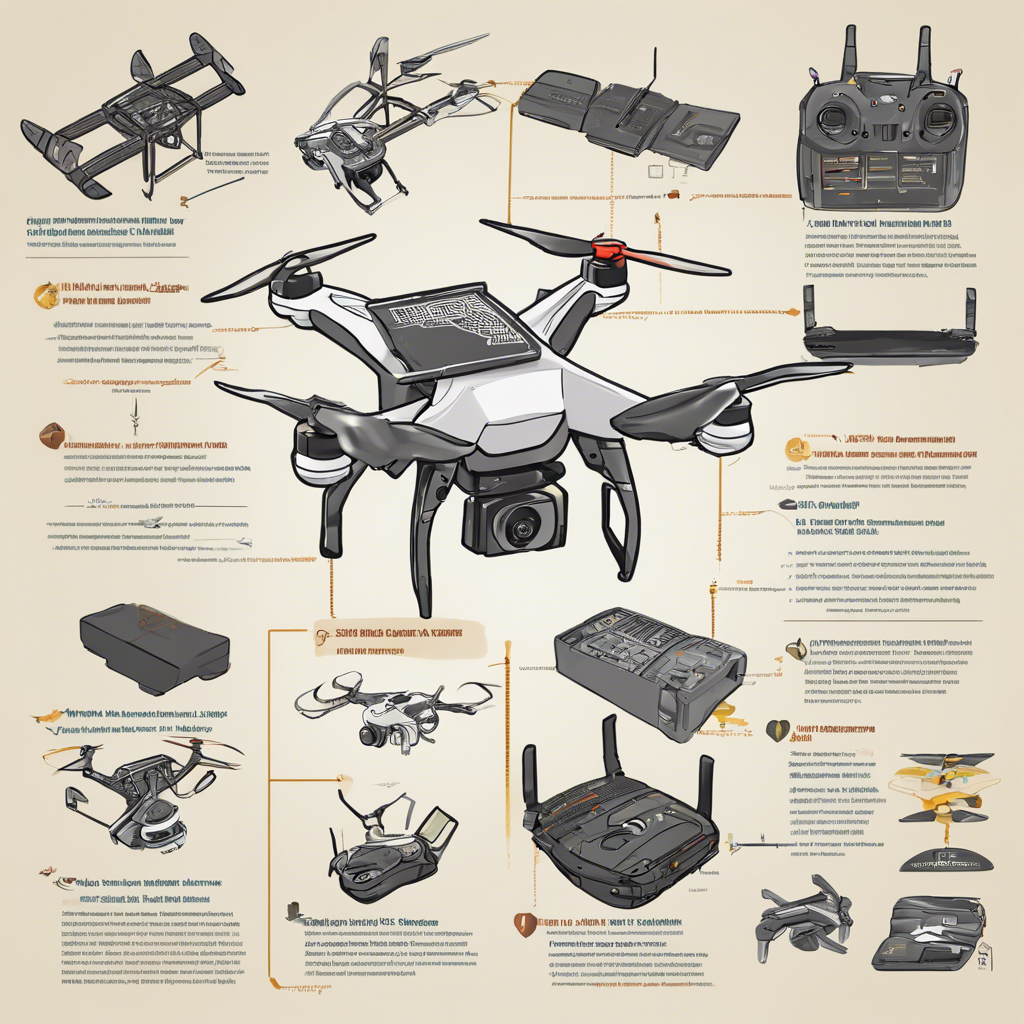
What Are The Specific Regulations That Separate Commercial And Recreational Drone Operations?
Introduction
The difference between commercial and recreational drone operations is defined by specific regulations that prioritize safety, accountability, and adherence to aviation laws. Grasping these regulations is vital for drone operators to prevent legal complications and to operate ethically in their respective environments.
Regulatory Framework for Drone Operations
In many regions across the globe, including the United States, the operations of commercial and recreational drones are regulated by the national aviation authority. For instance, the Federal Aviation Administration (FAA) governs all drone rules in the U.S. Commercial drone operators face stricter regulations compared to recreational users, ensuring that commercial activities conform to established industry safety and liability standards.
- Commercial drone operators must obtain a Remote Pilot Certificate from the FAA to legally fly for business purposes.
- Recreational drone flyers must adhere to FAA guidelines but do not require a specific pilot certification if they satisfy particular criteria.
Key Operational Differences in Drone Use
The main operational differences between commercial and recreational drone usage stem from their intended purposes and regulatory compliance. Commercial operations are typically subject to more rigorous altitude limits, maintenance obligations, and necessary insurance policies. On the other hand, recreational users have greater flexibility but must still adhere to fundamental safety principles.
- Commercial drone applications can include services such as aerial photography, land surveying, or inspections for payment while complying with defined regulations.
- Recreational drones should not fly above a maximum altitude of 400 feet and must avoid flying over people unless specific safety conditions are fulfilled.
Drone Registration Requirements
Both commercial and recreational drone operations require registration, but the specific requirements can differ significantly. Commercial operations usually necessitate a more comprehensive registration process that includes presenting proof of insurance and detailed flight plans.
- Commercial drone operators are mandated to register their drones with the FAA, supplying necessary operational details.
- Recreational drone users must register if their drone weighs over 0.55 pounds, a process that can typically be completed online in a short time.
Insurance Coverage and Liability for Drone Operations
Insurance obligations vary significantly between commercial and recreational drone operators. Commercial drone pilots are often required to maintain liability insurance to protect against potential damages incurred during their operations. In contrast, recreational operators usually do not have formal insurance mandates but retain legal liability for any damages caused by their drone activities.
- Commercial drone insurance typically offers coverage for accidents leading to injuries or property damage during operations.
- While recreational drone users may not be required to hold insurance, they remain legally responsible for incidents resulting from their drone usage.
Conclusion
A comprehensive understanding of the regulations distinguishing commercial and recreational drone operations is crucial for ensuring both safety and legal compliance. Operators should educate themselves about their respective obligations to partake in safe and responsible drone flying.
Expert Quote
Daniel D. Elwell, Former Acting Administrator of the FAA
The distinction between commercial and recreational drone operations is vital for maintaining airspace safety and accountability. Understanding the regulatory differences ensures that operators engage in safe practices, whether for personal use or business endeavors.
U.S. Federal Aviation Administration Official Statement, 2018
Relevant Links
Recreational Flyers & Community-Based Organizations | Federal ...
https://www.faa.gov/uas/recreational_flyersNew Drone Laws in the USA [2024] - Drone U™
https://www.thedroneu.com/blog/usa-drone-laws-regulations-by-state/Unmanned Aircraft Systems (UAS) | Federal Aviation Administration
https://www.faa.gov/uasDrones | Hot Springs, AR - Official Website
https://www.cityhs.net/749/DronesRECREATIONAL USERS - Know Before You Fly
http://knowbeforeyoufly.org/recreationalYouTube Videos
Most popular questions

How Do The Personal Relationships Among Gods Affect Their Decisions In The Iliad?
The intricate relationships among the gods in Homer's epic poem 'The Iliad' play a crucial role in shaping their actions and decisions. These divine interactions create a complex web of fates, where each god's personal alliances and rivalries directly influence the events of the mortal world.

What Strategies Can Parents Use To Educate Their Children About Online Safety Beyond Privacy Settings?
In today's digital landscape, teaching children about online safety is essential for their protection and well-being. While privacy settings play a critical role, parents can implement various strategies to create a thorough understanding of online safety principles among their children.
What Are The Different Types Of Insulation Materials Commonly Used In Buildings, And How Do They Compare In Terms Of Thermal Resistance?
Insulation materials are vital for enhancing energy efficiency in residential and commercial buildings by minimizing heat transfer. Understanding the various insulation types can lead to better choices for thermal resistance and overall comfort.
Most recent questions
How Do Aging Processes Affect The Flavor Profiles Of Cheeses And Their Pairing With Wines?
The aging process of cheese, known as affinage, is vital in developing its unique flavor profile while greatly influencing its compatibility with wines. As cheese matures, the transformations in its texture and taste create a rich tasting experience that pairs exquisitely with various wines, enhancing culinary enjoyment.
How Does User-generated Content Influence Purchasing Decisions Among Millennials?
User-generated content, often abbreviated as UGC, is essential in influencing purchasing decisions, especially among Millennials who prioritize authenticity and relatability in their shopping experiences.
How Can Qualitative Research Methods Complement Quantitative Approaches In Studying Gender Dynamics In Film Adaptations?
Exploring gender dynamics in film adaptations demands a comprehensive, multifaceted approach. By strategically integrating qualitative and quantitative research methods, researchers can uncover a deeper understanding of how gender is represented and perceived in various cinematic texts. This document will analyze the complementary roles of qualitative and quantitative research in this context, enhancing insights and enabling nuanced analyses of gender representation in films.