What Challenges Do Manufacturers Face When Transitioning To Renewable Energy Sources?
Introduction
The shift to renewable energy sources poses significant challenges for manufacturers, often necessitating transformative changes to operations, supply chains, and energy management strategies. Understanding these renewable energy transition hurdles is essential for planning effective operational strategies that enhance sustainability and efficiency.
Technical and Infrastructure Challenges in Renewable Energy
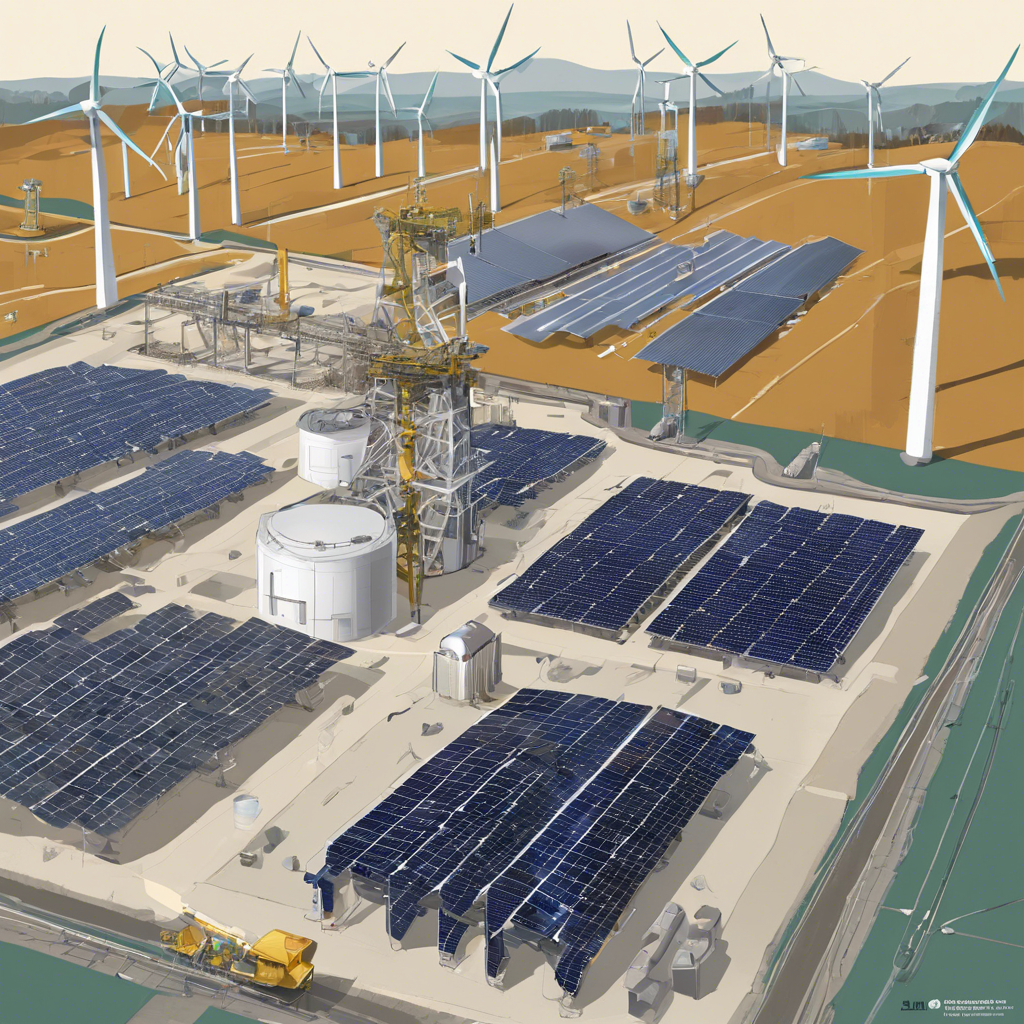
Manufacturers frequently encounter serious technical challenges while transitioning to renewable energy systems. This includes the need for innovative technology, modifications to existing infrastructure, and the integration of renewable energy sources into current energy workflows. Factories may find it necessary to invest in solar panels, wind turbines, or advanced energy storage systems, each presenting unique operational challenges. Research indicates that the integration of renewable energy technologies into existing frameworks can introduce complications that demand meticulous planning and execution to avoid disruptions.
- High initial capital expenditure for the installation of renewable energy systems.
- Requirement for specialized expertise to effectively operate and maintain new technologies.
- Possible interruptions to current manufacturing processes during the transition to renewables.
Regulatory and Financial Challenges for Manufacturers
Navigating the complex regulatory landscape is a significant hurdle for manufacturers embracing renewable energy. Compliance with shifting standards, obtaining necessary permits, and understanding potential financial incentives are vital components of this transition. Additionally, the shift toward renewables demands substantial financial investment, and volatility in energy prices can influence the viability of these investments. It is crucial for manufacturers to remain vigilant regarding policy changes that could impact their operations and access to financial support.
- Challenges in comprehending and adhering to new regulations and compliance standards.
- Limited availability of financing for renewable energy projects, with small and mid-sized manufacturers facing the greatest barriers.
- Exposure to risks from fluctuating energy markets that can complicate budgeting and financial planning for renewable investments.
Workforce and Cultural Challenges in Energy Transition
The implementation of renewable energy solutions often requires an evolution in workforce skills and an overarching cultural change within the organization. Employees may need extensive training to adapt to new energy systems, and fostering a culture that prioritizes sustainability is essential to secure organizational buy-in. Manufacturers should consider developing comprehensive workforce training programs that focus on education and skill development for employees to effectively facilitate the transition to renewable energy.
- Requirement for retraining personnel to manage innovative technologies and energy management systems effectively.
- Potential employee resistance to change from traditional energy methods.
- Investment in change management strategies is critical to instilling a culture of sustainability within the organization.
Conclusion
Transitioning to renewable energy is a multifaceted process fraught with challenges; however, successfully overcoming these obstacles can yield long-term financial benefits and enhance sustainability. By proactively addressing technical, regulatory, and workforce-related issues, manufacturers can successfully navigate this transformative journey and play a pivotal role in fostering a sustainable manufacturing sector.
Expert Quote
Dr. Maureen E. Rouse, Senior Research Analyst at the International Energy Agency
Transitioning to renewable energy in the manufacturing sector demands not just financial investment but also a robust strategy for overcoming technical challenges and workforce adjustments. Success lies in fostering an adaptive culture and ensuring compliance with evolving regulations.
IEA Report on Renewable Energy Transition in Industry, 2022
Relevant Links
Transitioning to renewable energy: Challenges and opportunities ...
https://iee.psu.edu/news/blog/transitioning-renewable-energy-challenges-and-opportunitiesTransitioning to sustainable energy: opportunities, challenges, and ...
https://www.frontiersin.org/journals/energy-research/articles/10.3389/fenrg.2023.1258044/fullTop 5 Challenges When Switching to Green Manufacturing | SFC
https://shoesforcrews.pro/blog/challenges-green-manufacturing/Executive summary – The Role of Critical Minerals in Clean Energy ...
https://www.iea.org/reports/the-role-of-critical-minerals-in-clean-energy-transitions/executive-summaryGrowth of Renewable Energy in the US | World Resources Institute
https://www.wri.org/insights/clean-energy-progress-united-statesYouTube Videos
Most popular questions

How Do The Personal Relationships Among Gods Affect Their Decisions In The Iliad?
The intricate relationships among the gods in Homer's epic poem 'The Iliad' play a crucial role in shaping their actions and decisions. These divine interactions create a complex web of fates, where each god's personal alliances and rivalries directly influence the events of the mortal world.

What Strategies Can Parents Use To Educate Their Children About Online Safety Beyond Privacy Settings?
In today's digital landscape, teaching children about online safety is essential for their protection and well-being. While privacy settings play a critical role, parents can implement various strategies to create a thorough understanding of online safety principles among their children.
What Are The Different Types Of Insulation Materials Commonly Used In Buildings, And How Do They Compare In Terms Of Thermal Resistance?
Insulation materials are vital for enhancing energy efficiency in residential and commercial buildings by minimizing heat transfer. Understanding the various insulation types can lead to better choices for thermal resistance and overall comfort.
Most recent questions
How Do User Feedback And Ratings Affect The Evolution Of Recommendation Algorithms In Streaming Services?
User feedback and ratings are vital for optimizing recommendation algorithms in streaming services. These algorithms analyze viewer preferences and behaviors to continuously improve user satisfaction and engagement with personalized content offerings.
What Are The Differences In Audience Engagement Strategies Between Live Theater And Reality Television Shows?
The realm of entertainment includes a wide range of formats, each utilizing unique strategies to engage audiences. This response examines the contrasting audience engagement techniques utilized in live theater and reality television shows, emphasizing their distinctive methodologies and approaches to audience interaction.
What Role Does Public Opinion Play In The Adaptation Of Classic Literature Into Modern Films?
The adaptation of classic literature into modern films is a multifaceted process deeply influenced by audience perceptions and public opinion. Analyzing how these perceptions shape adaptations provides valuable insights into contemporary cultural trends and the film industry.