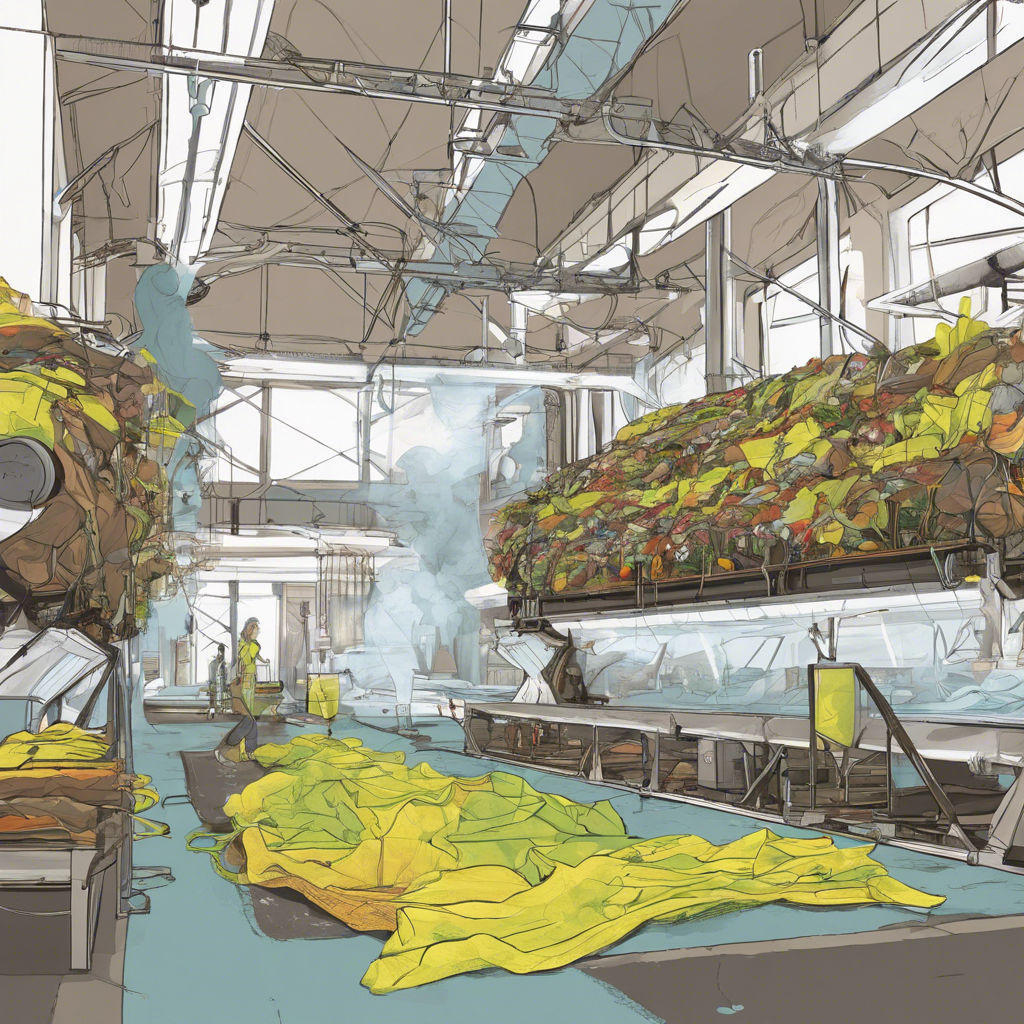
What Challenges Does The Fashion Industry Face In Transitioning To Renewable Resource-based Manufacturing In Textiles?
Introduction
The fashion industry is currently under immense pressure to implement sustainable practices, particularly in textile manufacturing. The movement towards renewable resource-based methods presents a multitude of intricate challenges that must be effectively addressed to enable a successful and responsible transformation.
Environmental Impact and Resource Scarcity
One of the main challenges confronting the fashion industry is the detrimental environmental impact caused by conventional manufacturing processes, which typically depend on limited resources and toxic chemicals. The transition to renewable resources requires a comprehensive reevaluation of raw materials, sourcing strategies, and production techniques. While organic cotton is often viewed as a more sustainable alternative to conventional cotton, significant issues such as water scarcity and unsustainable agricultural practices remain critical concerns.
- Emphasizing sustainable alternatives to highly water-intensive fabrics like cotton, including hemp and bamboo as eco-friendly options.
- Innovating and incorporating biodegradable textiles into current production lines, featuring advancements like mycelium-based materials.
Economic Viability and Cost Issues
Shifting to renewable resource-based manufacturing frequently incurs higher upfront costs compared to traditional methods. Fashion brands may face increased expenses due to the need for investments in cutting-edge technologies, sourcing sustainable materials, and possible initial declines in profit margins. However, there is considerable potential for long-term savings, enhanced brand reputation, and increased customer loyalty while embracing sustainable practices.
- The necessity of higher initial investments in sustainable material supply chains and technological adaptations for eco-friendly practices.
- Developing economic models that clearly demonstrate the long-term benefits of sustainability, including potential cost savings and consumer demand over time.
Consumer Awareness and Demand
A prominent hurdle in the transition towards renewable resource-based fashion is the level of consumer awareness and the willingness to pay a premium for sustainably produced items. Even with the rising trend toward eco-friendly choices, many consumers still prioritize cost and style over sustainability. Therefore, fashion brands must emphasize consumer education to illuminate the long-term value and benefits associated with sustainable practices.
- Implementing strategies aimed at educating consumers about the advantages and impacts of renewable materials, including educational labeling and enhanced transparency.
- Crafting compelling marketing narratives that highlight the significance and urgency of sustainability in the fashion industry.
Conclusion
Transitioning to renewable resource-based manufacturing in the fashion industry is fraught with challenges, including environmental concerns, economic feasibility, and consumer awareness. By tackling these issues through innovation, consumer education, and strategic investment, we can pave the way for a sustainable future within the fashion sector.
Expert Quote
Stella McCartney, Fashion Designer and Sustainability Advocate
The fashion industry must champion sustainable materials and practices, or we risk the future of our planet. Transitioning to renewable resources is not just an option; it's a necessity that we must embrace for the sake of our environment and our consumers.
Sustainability in Fashion: A Conversation with Stella McCartney, Vogue, 2022
Relevant Links
Slowing the fast fashion industry: An all-round perspective ...
https://www.sciencedirect.com/science/article/pii/S2452223622000967Fashion and the circular economy
https://www.ellenmacarthurfoundation.org/fashion-and-the-circular-economy-deep-diveBarriers to sustainable sourcing in the apparel and fashion luxury ...
https://www.sciencedirect.com/science/article/pii/S2352550922000410Drivers for and barriers to circular economy transition in the textile ...
https://onlinelibrary.wiley.com/doi/10.1002/sd.3088Sustainability Challenges in the Fashion Industry
https://www.oracle.com/retail/fashion/sustainability-challenges-fashion/YouTube Videos
Most popular questions

How Do The Personal Relationships Among Gods Affect Their Decisions In The Iliad?
The intricate relationships among the gods in Homer's epic poem 'The Iliad' play a crucial role in shaping their actions and decisions. These divine interactions create a complex web of fates, where each god's personal alliances and rivalries directly influence the events of the mortal world.

What Strategies Can Parents Use To Educate Their Children About Online Safety Beyond Privacy Settings?
In today's digital landscape, teaching children about online safety is essential for their protection and well-being. While privacy settings play a critical role, parents can implement various strategies to create a thorough understanding of online safety principles among their children.
What Are The Different Types Of Insulation Materials Commonly Used In Buildings, And How Do They Compare In Terms Of Thermal Resistance?
Insulation materials are vital for enhancing energy efficiency in residential and commercial buildings by minimizing heat transfer. Understanding the various insulation types can lead to better choices for thermal resistance and overall comfort.
Most recent questions
If You Could Only Choose One, Would You Rather Be Able To See Into Your Future Or The Ability To Read Minds?
The intriguing dilemma of choosing between the ability to see into your future or to read minds captivates many. Both supernatural abilities provide a unique perspective on knowledge that extends beyond our current awareness, yet each has its own distinct benefits and challenges that are worth considering.
How Do Marginalized Voices Within Fan Communities Influence The Creation Of Cultural Content?
The significance of marginalized voices in fan communities cannot be overstated, as they transform cultural narratives and greatly influence artistic content creation across various platforms.
In What Ways Does The Number Of Players In A Card Game Affect The Psychological Dynamics Among Players?
The psychological interactions between players in card games are deeply influenced by the number of participants. Recognizing these interactions is critical for both casual gamers and competitive players, as they directly impact strategy, emotional engagement, and overall enjoyment of the game.