What Environmental Factors Affect The Sustainability Of Historical Sites?
Introduction
The sustainability of historical sites faces significant challenges due to environmental factors that can jeopardize their preservation and longevity. Recognizing and addressing these factors is vital for effective conservation efforts.
Impacts of Climate Change on Historical Sites
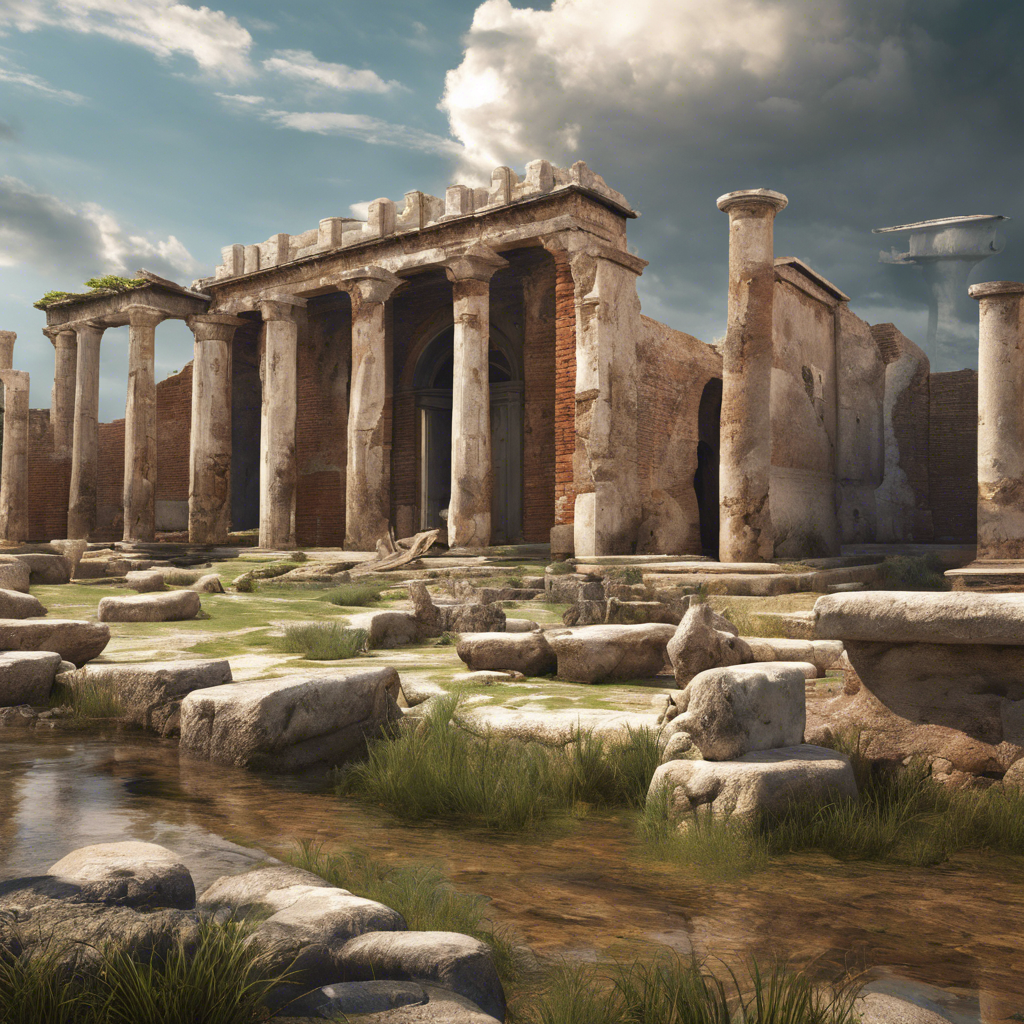
Climate change represents a primary threat to the integrity of historical sites worldwide. Increasing global temperatures can result in accelerated weathering of building materials, and shifts in precipitation patterns can lead to damaging floods or droughts that compromise soil stability beneath structures. The severe erosion of coastal historical sites, such as the ancient city of Pompeii, serves as a stark example of how climate change is directly impacting our cultural heritage. It is also essential to consider other geological factors like geothermal activity which further contribute to site degradation.
- Higher temperatures can lead to the expansion and contraction of materials, causing structural cracks.
- Severe weather events, including hurricanes, can inflict physical damage on historical structures.
- Rising sea levels pose a flood risk for endangered coastal historical landmarks.
The Role of Biodiversity and Ecological Factors
The local biodiversity and ecological conditions significantly affect the preservation of historical sites. Invasive species may disrupt native ecosystems, leading to potential deterioration of cultural resources. Furthermore, uncontrolled vegetation growth can infiltrate masonry, causing long-term structural harm. Effective management of the ecological landscape surrounding these sites is crucial for their ongoing preservation.
- Invasive plant species can pose direct threats to the structural integrity of facilities.
- Wildlife activities, like burrowing, can undermine and weaken foundations.
- Local fauna may contribute to the biological decay of construction materials.
Effects of Pollution and Human Activity
Urban pollution significantly impacts the air and water quality around historical sites, undermining their longevity. Acid rain can corrode stonework, while industrial runoff can lead to soil contamination. Increased human presence, particularly from tourism, can cause physical wear and tear, necessitating careful visitor management. Additionally, maintenance practices must be thoughtfully designed to avoid further degradation of sensitive historical materials.
- Air pollution can chemically react with historical materials, accelerating their deterioration.
- Tourist litter and waste can harm the local environment and site integrity.
- Noise pollution can disturb wildlife and diminish visitor experiences.
Conclusion
In conclusion, safeguarding historical sites requires a comprehensive approach that considers environmental factors including climate change, biodiversity, and human involvement. Collaborative initiatives among conservation specialists, environmental scientists, and local communities are vital to ensuring that these cultural landmarks endure for future generations to admire.
Expert Quote
Dr. Richard A. Cook, Environmental Scientist and Conservationist
The impacts of climate change, pollution, and invasive species pose significant threats to our historical treasures, and without proactive management, we risk losing these irreplaceable sites forever.
Article in The Journal of Environmental Management, 2022
Relevant Links
Impact of tourism development upon environmental sustainability: a ...
https://pmc.ncbi.nlm.nih.gov/articles/PMC9389488/Practices and challenges of cultural heritage conservation in ...
https://heritagesciencejournal.springeropen.com/articles/10.1186/s40494-022-00802-6Environmental Conditions - Healthy People 2030 | odphp.health.gov
https://odphp.health.gov/healthypeople/priority-areas/social-determinants-health/literature-summaries/environmental-conditionsAdaptive reuse of heritage buildings; a systematic literature review ...
https://www.sciencedirect.com/science/article/pii/S0197397523001868Sustainability
https://ohp.parks.ca.gov/sustainabilityYouTube Videos
Most popular questions

How Do The Personal Relationships Among Gods Affect Their Decisions In The Iliad?
The intricate relationships among the gods in Homer's epic poem 'The Iliad' play a crucial role in shaping their actions and decisions. These divine interactions create a complex web of fates, where each god's personal alliances and rivalries directly influence the events of the mortal world.

What Strategies Can Parents Use To Educate Their Children About Online Safety Beyond Privacy Settings?
In today's digital landscape, teaching children about online safety is essential for their protection and well-being. While privacy settings play a critical role, parents can implement various strategies to create a thorough understanding of online safety principles among their children.
What Are The Different Types Of Insulation Materials Commonly Used In Buildings, And How Do They Compare In Terms Of Thermal Resistance?
Insulation materials are vital for enhancing energy efficiency in residential and commercial buildings by minimizing heat transfer. Understanding the various insulation types can lead to better choices for thermal resistance and overall comfort.
Most recent questions
What Role Does Gender Play In The Exploration Of Power Dynamics In Films Versus The Exploration Of Class Struggles In Historical Texts?
The interplay of gender dynamics and class struggles in media and literature serves as a powerful lens for examining socioeconomic power structures. In films, gender representation significantly influences narratives and character development, while historical texts delve into the class conflicts that expose societal disparities and the quest for power. This analysis explores how these two themes prompt critical reflections on societal constructs related to gender and class power.
How Do Archetypes In Film And Television Compare To Those In Video Games?
Archetypes are essential character types and themes that resonate across various storytelling mediums, including film, television, and video games. In the realm of cinematic and digital storytelling, these archetypes are critical in shaping narratives and captivating audiences. Understanding the similarities and differences in archetypes can deepen our appreciation for storytelling methods and techniques in entertainment.
How Do Social Media Algorithms Influence The Visibility Of Gender-centric Narratives In Fan Fiction?
The dynamic relationship between social media algorithms and gender-focused narratives in fan fiction illustrates the significant convergence of technology, cultural dialogue, and creative expression. These algorithms predominantly dictate which content gains visibility, impacting the spread and reception of various gender narratives across online fan communities.