What Factors Contributed To The Rise Of Communism In Eastern Europe Before The Berlin Wall Fell?
Introduction
The emergence of communism in Eastern Europe prior to the fall of the Berlin Wall was shaped by numerous political, economic, and social dynamics. Analyzing these influences is crucial for understanding the historical context of post-World War II Europe and the ideological battles that characterized the period.
Political Turmoil After World War II
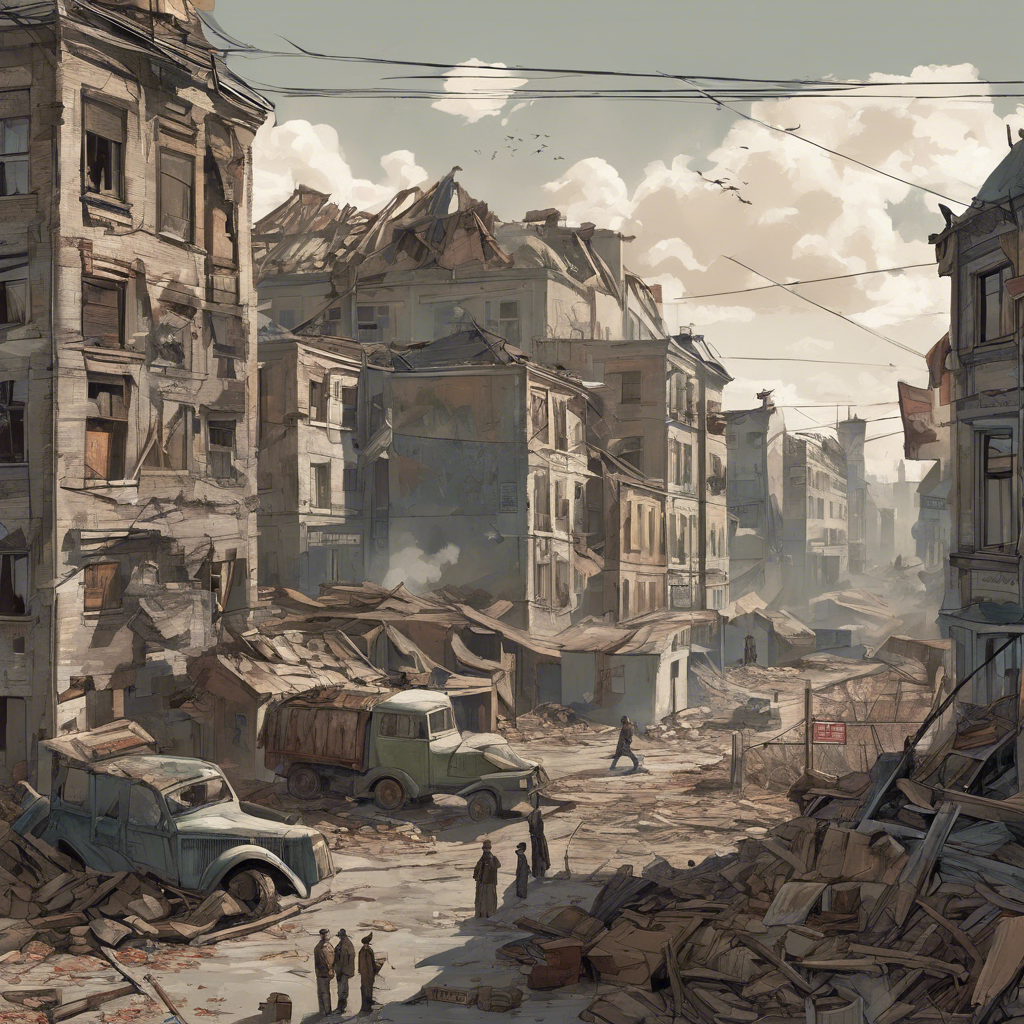
Following World War II, numerous Eastern European nations experienced intense political turmoil. The devastation from the war created political vacuums and weakened established political frameworks, rendering these regions vulnerable to extremist ideologies such as communism. In this turbulent environment, communist parties, frequently supported by the Soviet Union, surfaced as organized entities pledging stability and recovery. This trend was particularly observable in countries such as Poland and Hungary, where the governing bodies were commonly viewed as ineffective or illegitimate due to their ties with the oppressive regimes backed by the Soviets.
- Political vacuums created by WWII rendered nations open to radical ideologies.
- Communist parties offered a promise of stability and reconstruction to the populace.
- The Soviet Union's support for communist factions facilitated their ascent to power.
Economic Conditions and Social Unrest
The economic landscape in post-war Eastern Europe was bleak, characterized by widespread poverty, soaring unemployment rates, and the ineffective responses of existing governments to these critical issues. Therefore, communism’s appeals of economic equality, social justice, and worker rights struck a chord with the working class and marginalized groups. The nationalization of industries and land reforms aimed at distributing land favorably positioned communism in the eyes of those suffering from earlier inequities and flawed economic systems.
- High poverty levels and unemployment rates fueled social unrest.
- Communism pledged economic equality and social justice to the masses.
- Nationalized industries and land reforms garnered support from the working class.
Impact of Soviet Union Policies
The Soviet Union was instrumental in the foundation and escalation of communism in Eastern Europe. Post-WWII, Stalin's agenda significantly impacted Eastern Europe through military presence, political coercion, and the establishment of communist regimes. The Soviet governance model was positioned as a successful strategy, encouraging nations to adopt communist ideologies. This backing entailed both military support and a detailed political doctrine that effectively suppressed dissent while unifying communist factions across the region.
- Soviet military presence established and maintained communist dominance.
- Stalin's governance model was advocated as a viable success story.
- Political doctrines were essential in suppressing dissent and consolidating communist parties.
Nationalism and Anti-Imperialist Sentiment
In Eastern Europe, nationalism often fused with communist ideology, as many regarded communism as a vehicle for independence from Western imperialist powers. The prospect that communism could facilitate national sovereignty resonated with various ethnic groups long oppressed by foreign forces. This blend of anti-imperialist fervor with calls for social and economic rejuvenation inspired further support for communist ideologies across the region.
- Communism perceived as a path to national sovereignty and independence.
- Various ethnic groups sought liberation from historical foreign supremacy.
- The alliance of anti-imperialism with social revival appealed to many Eastern Europeans.
Conclusion
The ascent of communism in Eastern Europe resulted from a complex interaction of political instability, economic strife, Soviet influence, and fierce nationalism. These components converged to form a robust environment for communist parties, ultimately culminating in the profound transformations experienced in the region leading up to the Berlin Wall's fall in 1989.
Expert Quote
Dr. Mark Kramer, Professor of History at Harvard University
The dynamics of post-war Eastern Europe revealed how communism capitalized on popular discontent and the failure of existing regimes, offering an alluring vision of stability and progress that was hard to resist amid the chaos.
Kramer, M. 'The Sovietization of Eastern Europe: A Historical Perspective', Journal of Modern European History, 2018.
Relevant Links
Fall of Communism in Eastern Europe, 1989
https://history.state.gov/milestones/1989-1992/fall-of-communismDeclassified: A short history of NATO - NATO
https://www.nato.int/cps/en/natohq/declassified_139339.htmThe Collapse of the Soviet Union - 1989-1992 - Milestones
https://history.state.gov/milestones/1989-1992/collapse-soviet-unionFall of Berlin Wall: How 1989 reshaped the modern world
https://www.bbc.com/news/world-europe-50013048Soviet Union ‑ Countries, Cold War & Collapse | HISTORY
https://www.history.com/topics/european-history/history-of-the-soviet-unionYouTube Videos
Most popular questions

How Do The Personal Relationships Among Gods Affect Their Decisions In The Iliad?
The intricate relationships among the gods in Homer's epic poem 'The Iliad' play a crucial role in shaping their actions and decisions. These divine interactions create a complex web of fates, where each god's personal alliances and rivalries directly influence the events of the mortal world.

What Strategies Can Parents Use To Educate Their Children About Online Safety Beyond Privacy Settings?
In today's digital landscape, teaching children about online safety is essential for their protection and well-being. While privacy settings play a critical role, parents can implement various strategies to create a thorough understanding of online safety principles among their children.
What Are The Different Types Of Insulation Materials Commonly Used In Buildings, And How Do They Compare In Terms Of Thermal Resistance?
Insulation materials are vital for enhancing energy efficiency in residential and commercial buildings by minimizing heat transfer. Understanding the various insulation types can lead to better choices for thermal resistance and overall comfort.
Most recent questions
How Do Fan Fiction Narratives Shape Audience Expectations For Character Development In Mainstream Television?
In recent years, fan fiction has become an integral part of media consumption, particularly in shaping character narratives. This unique storytelling method allows fans to explore alternative plots, significantly influencing their expectations for character development in popular television series.
In What Ways Do Privacy Features Shaped By User Feedback Alter The Development Strategies Of Social Media Platforms?
Privacy features in social media platforms play a crucial role in enhancing user experience and building trust. As users increasingly express their concerns and preferences about online privacy, these platforms are compelled to adapt their strategies significantly to meet user expectations.
How Do Independent Filmmakers Utilize Social Media To Engage With Niche Audiences Compared To Mainstream Films?
Independent filmmakers are leveraging the power of social media to engage deeply with niche audiences, a strategy that often eludes mainstream films. By producing tailored content and actively interacting with their followers, independent creators are fostering dedicated communities that support their projects and vision.