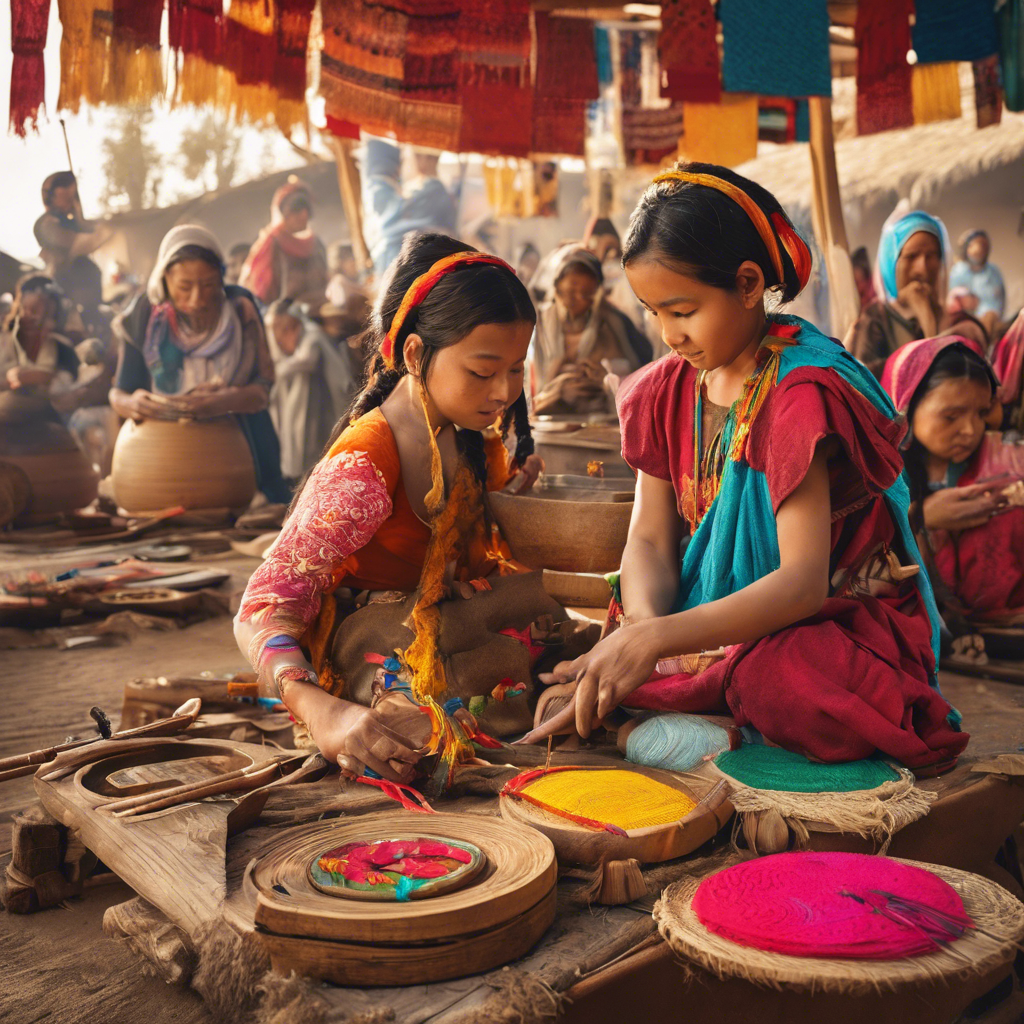
What Factors Influence The Types Of Crafts Represented At A Specific Historical Festival?
Introduction
Crafts are an essential component of historical festivals, reflecting the culture, economy, and traditions prevalent during specific periods. The variety of crafts showcased at these events is influenced by multiple factors, each adding depth to the festival experience and significance to the displayed craftsmanship.
Cultural Heritage
The crafts featured at historical festivals often embody the rich cultural heritage of the community. Artisans proudly present traditional crafts that have been honed over generations, preserving valuable art forms while educating festival-goers about their historical and cultural significance. This fosters an appreciation for both the artistic skills and the culture behind them.
- Traditional crafts like weaving, pottery, and textile arts are prominently displayed at festivals.
- Cultural rituals, folklore, or legends greatly influence the types of crafts presented.
Economic Factors
Economic conditions play a pivotal role in shaping the types of crafts highlighted at historical festivals. The availability of local resources and the economic environment determine which crafts artisans can produce effectively. Festivals focused on local crafts not only support small businesses but also stimulate the growth of the local economy.
- Local materials, including wood, metal, and clay, often determine the crafts showcased at festivals.
- Artisans are likely to focus on crafts that meet market demand, increasing visitor engagement and sales.
Historical Context
The historical context of a festival significantly influences the crafts that are highlighted. Festivals commemorating specific historical events often showcase crafts that relate directly to those events, helping educate visitors about historical craftsmanship and its relevance today.
- Crafts from notable historical periods such as the Renaissance or Colonial era are commonly featured during relevant festivals.
- Live demonstrations recreate historical crafting techniques, providing an immersive and educational experience for attendees.
Community Engagement
The active involvement of the local community shapes the crafts displayed at historical festivals. Festivals that thrive on community participation foster collaboration among artisans, creating a vibrant atmosphere of ownership and pride.
- Interactive workshops and crafting sessions invite attendees to engage in hands-on experiences.
- Feedback from the community helps guide the selection of crafts for future festival iterations.
Conclusion
In conclusion, the representation of crafts at historical festivals is influenced by myriad factors including cultural heritage, economic conditions, historical context, and community involvement. Understanding these influences enriches our appreciation of the crafts on display and their vital role within the festival experience.
Expert Quote
Dr. Richard Sennett, Sociologist and Author
Crafts rooted in cultural traditions serve not only as a means of economic survival for artisans but also as a way to encapsulate the history and identity of a community, making festivals pivotal in preserving these narratives.
The Craftsman, 2008
Relevant Links
The Founders of Black History Month | BLACK HISTORY ... - ASALH
https://asalh.org/black-history-themes/Native American Cultural Revitalization Today | Folklife Today
https://blogs.loc.gov/folklife/2015/11/native-american-cultural-revitalization/intangible heritage - Culture ... - What is Intangible Cultural Heritage?
https://ich.unesco.org/en/what-is-intangible-heritage-00003New York State K-8 Social Studies Framework
https://www.nysed.gov/sites/default/files/programs/curriculum-instruction/ss-framework-k-8a2.pdfThe Silk Road: Connecting People and Cultures | Smithsonian ...
https://festival.si.edu/2002/the-silk-road/the-silk-road-connecting-peoples-and-cultures/smithsonianYouTube Videos
Most popular questions

How Do The Personal Relationships Among Gods Affect Their Decisions In The Iliad?
The intricate relationships among the gods in Homer's epic poem 'The Iliad' play a crucial role in shaping their actions and decisions. These divine interactions create a complex web of fates, where each god's personal alliances and rivalries directly influence the events of the mortal world.

What Strategies Can Parents Use To Educate Their Children About Online Safety Beyond Privacy Settings?
In today's digital landscape, teaching children about online safety is essential for their protection and well-being. While privacy settings play a critical role, parents can implement various strategies to create a thorough understanding of online safety principles among their children.
What Are The Different Types Of Insulation Materials Commonly Used In Buildings, And How Do They Compare In Terms Of Thermal Resistance?
Insulation materials are vital for enhancing energy efficiency in residential and commercial buildings by minimizing heat transfer. Understanding the various insulation types can lead to better choices for thermal resistance and overall comfort.
Most recent questions
How Can Emerging Musical Artists Themselves Leverage Social Media Platforms To Enhance Their Visibility And Reach?
Emerging musical artists face the challenge of gaining visibility in an increasingly competitive music industry. Social media platforms have become essential tools for these artists to engage with audiences, promote their music, and establish a distinctive personal brand.
How Do Audience Dynamics Differ Between Immersive Theater Experiences And Traditional Play Settings?
The dynamics of audience interaction differ significantly between immersive theater experiences and traditional theater settings. These differences greatly influence how audiences engage, perceive, and involve themselves in the narrative, ultimately impacting their overall theater experience.
How Do Culinary Festivals Influence Local Economies Compared To The Effects Of Art And Music Festivals?
Culinary festivals are pivotal for local economies, offering unique financial advantages when compared to art and music festivals. This analysis explores the distinct economic effects of these various types of events and their implications for communities.