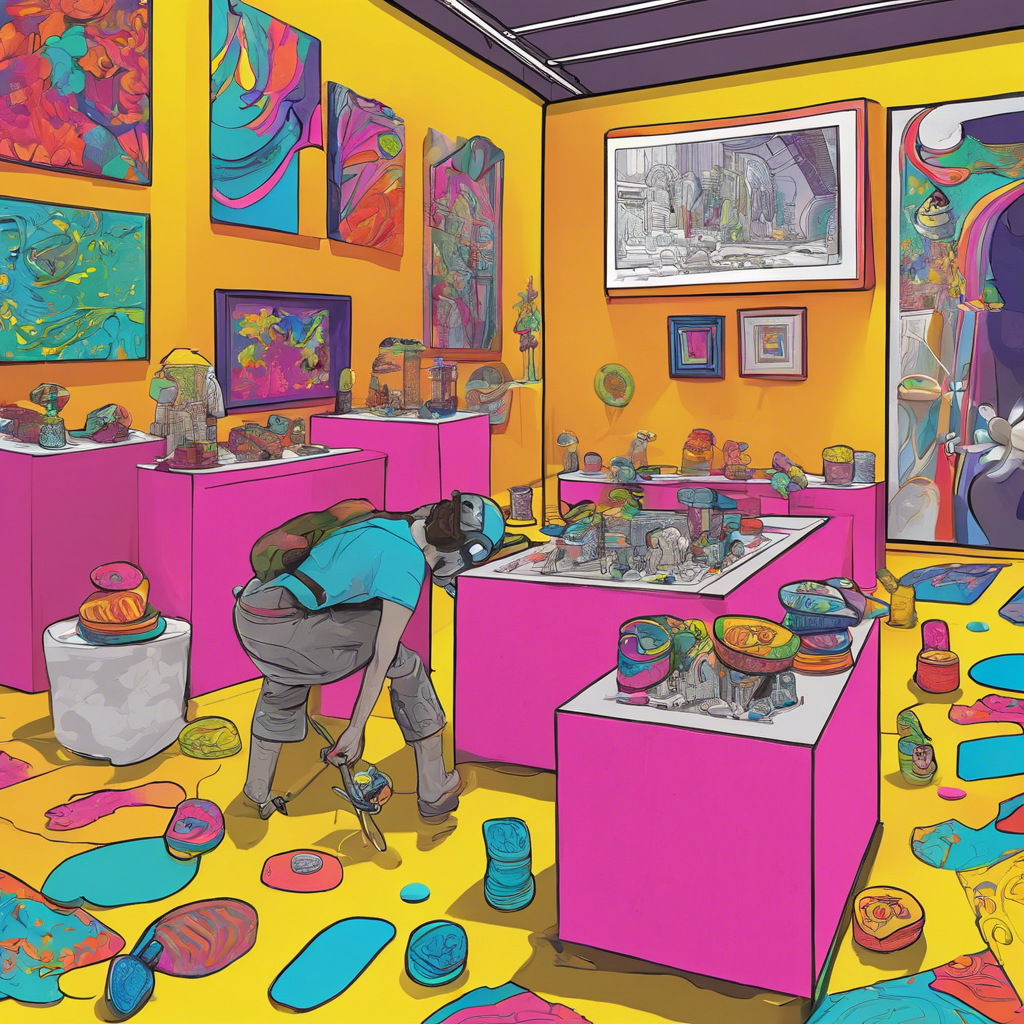
What Is The Role Of Technology In Enhancing The Reach Of Art Exhibitions?
Introduction
The impact of technology on art exhibitions is transformative, expanding accessibility and broadening reach in unprecedented ways. It effectively connects artists with audiences, overcoming geographical limitations and socio-economic obstacles. From online galleries to augmented reality, technology is redefining the art experience.
Digital Platforms and Online Art Exhibitions
The emergence of digital platforms and online art exhibitions has remarkably transformed how art is showcased and experienced. Artists can now present their work to a global audience, free from the limitations of physical venues. Virtual tours and online galleries enable visitors to engage with exhibitions from the comfort of their homes, increasing art accessibility to a wider demographic.
- Virtual reality (VR) creates immersive experiences, allowing audiences to explore galleries as if they were physically present.
- Social media platforms act as essential tools for artists to promote their work and reach broader audiences.
- Online ticketing and reservation systems simplify the process for visitors planning their exhibition trips.
Enhancing Interactive Art Experiences
Technology significantly boosts audience engagement at art exhibitions through interactive installations and augmented reality (AR) applications. Visitors can interact with art pieces in innovative ways, shifting from passive observation to active involvement, ultimately enhancing the overall visitor experience.
- Interactive displays provide in-depth information about artworks, enriching the educational value of exhibitions.
- AR applications enhance the viewer's experience by allowing them to visualize artworks in new and creative dimensions using their smartphones.
- Gamification strategies make exploring art exciting and encourage deeper participation from visitors.
Utilizing Data Analytics for Audience Insights
By employing advanced technology, art institutions can collect valuable data on visitor preferences and behaviors. This information is crucial for curating exhibitions that resonate with public interests, ensuring future events are designed to appeal to their target audiences.
- Audience analytics enable museums to identify which artworks draw the most visitors.
- Feedback tools provide real-time insights from attendees, fostering continuous improvement.
- Monitoring visitor flow allows for optimized layouts and design concepts for forthcoming exhibitions.
Conclusion
In conclusion, technology plays a critical role in enhancing the accessibility, engagement, and insight of art exhibitions. As technological advancements continue to develop, the integration of these innovations in the art world will create even more groundbreaking opportunities for artists to connect with their audience.
Expert Quote
Dr. Matthew J. Scherer, Director of Digital Engagement at The Getty
The integration of technology in art exhibitions not only democratizes access to art but also redefines the visitor experience, allowing for deeper interactions and broader engagement.
Article in 'Art Review', December 2022
Relevant Links
Section 6: Overall Impact of Technology on the Arts | Pew Research ...
https://www.pewresearch.org/internet/2013/01/04/section-6-overall-impact-of-technology-on-the-arts/How Museums are using Augmented Reality - MuseumNext
https://www.museumnext.com/article/how-museums-are-using-augmented-reality/Key aspects of the Paris Agreement | UNFCCC
https://unfccc.int/most-requested/key-aspects-of-the-paris-agreementSetting the future of digital and social media marketing research ...
https://www.sciencedirect.com/science/article/pii/S0268401220308082COVID-19 digital transformation & technology | McKinsey
https://www.mckinsey.com/capabilities/strategy-and-corporate-finance/our-insights/how-covid-19-has-pushed-companies-over-the-technology-tipping-point-and-transformed-business-foreverYouTube Videos
Most popular questions

How Do The Personal Relationships Among Gods Affect Their Decisions In The Iliad?
The intricate relationships among the gods in Homer's epic poem 'The Iliad' play a crucial role in shaping their actions and decisions. These divine interactions create a complex web of fates, where each god's personal alliances and rivalries directly influence the events of the mortal world.

What Strategies Can Parents Use To Educate Their Children About Online Safety Beyond Privacy Settings?
In today's digital landscape, teaching children about online safety is essential for their protection and well-being. While privacy settings play a critical role, parents can implement various strategies to create a thorough understanding of online safety principles among their children.
What Are The Different Types Of Insulation Materials Commonly Used In Buildings, And How Do They Compare In Terms Of Thermal Resistance?
Insulation materials are vital for enhancing energy efficiency in residential and commercial buildings by minimizing heat transfer. Understanding the various insulation types can lead to better choices for thermal resistance and overall comfort.
Most recent questions
How Do Modern Entertainment Platforms Affect Audience Engagement With Traditional Films?
The rise of modern entertainment platforms has significantly changed how audiences interact with traditional films. This transformation is reshaping film experiences, viewing habits, and audience expectations in the digital age.
How Do Social Media Algorithms Influence The Visibility Of Gender-centric Narratives In Fan Fiction?
The dynamic relationship between social media algorithms and gender-focused narratives in fan fiction illustrates the significant convergence of technology, cultural dialogue, and creative expression. These algorithms predominantly dictate which content gains visibility, impacting the spread and reception of various gender narratives across online fan communities.
How Do You Think Time Travel Could Positively Or Negatively Impact Your Relationships With Others?
Time travel is an intriguing concept that captivates our imagination in literature and cinema. The potential effects of time travel on personal relationships raise compelling questions about how our interactions with others may change if we had the ability to travel through time.