What Materials Were Most Commonly Used In Public Buildings During The Industrial Revolution, And How Did They Reflect Available Technology?
Introduction
The Industrial Revolution dramatically transformed architectural practices through technological advancements, significantly impacting the materials utilized in public building construction. This pivotal period saw a transition from traditional construction techniques to innovative methodologies that catered to the growing demands for larger, functional structures suited to rapidly industrializing urban landscapes, showcasing the resource availability and enhanced engineering capabilities of the era.
Key Construction Materials of the Industrial Revolution
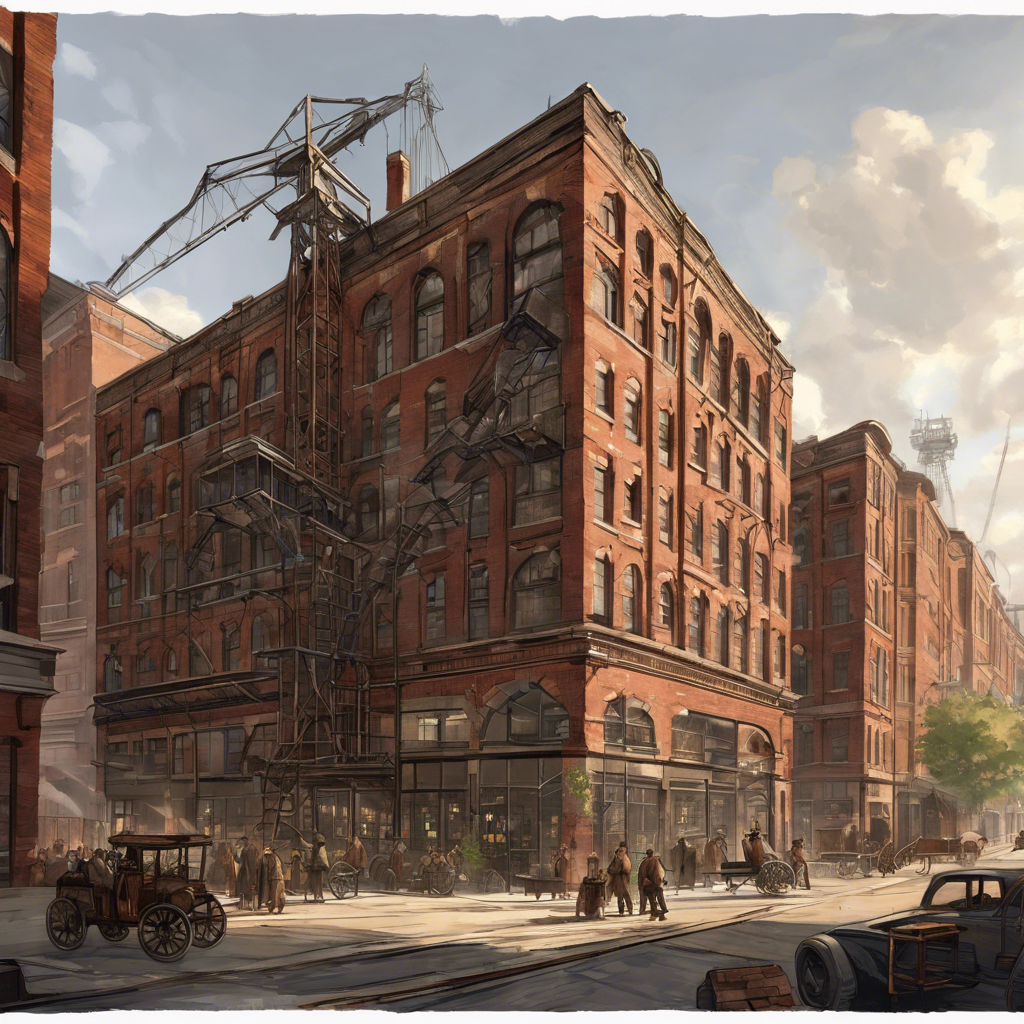
Throughout the Industrial Revolution, numerous materials became essential in public building construction. While brick maintained its popularity, iron and glass emerged as leading materials, perfectly matching the architectural styles evolving during this transformative period. The integration of these materials facilitated the creation of larger, more robust structures designed to meet the needs of expanding urban populations, all while reflecting contemporary design trends.
- Brick: A readily available and cost-effective material, brick was extensively used for facades and walls, offering both structural strength and aesthetic versatility, making it a foundational element in urban architecture.
- Iron: The advancement of cast iron and wrought iron revolutionized structural design, allowing for lighter and more expansive roofing and support systems essential for innovative buildings of the time.
- Glass: With technological strides in glass production, including the introduction of plate glass, manufacturers could produce larger panes, optimizing the use of natural light in windows and facades, thereby enhancing the connection with the surrounding environment.
Technological Advances in Construction Practices
The materials selected for construction during the Industrial Revolution were fundamentally influenced by the era's technological advancements. New manufacturing processes significantly enhanced material properties, empowering architects to explore unprecedented design possibilities. This evolution symbolizes the significant progress that characterized the Industrial Revolution and the broader cultural shifts that accompanied it.
- Mechanization: The emergence of factories fostered the mass production of building materials, increasing their affordability and accessibility. This widespread availability radically improved architectural methodologies.
- Innovative Construction Methods: Techniques such as iron frameworks and prefabrication maximized the utility of iron and glass, enabling larger and more open spaces without sacrificing structural integrity.
- Aesthetic Evolution: The embrace of these materials led to a fresh architectural aesthetic that celebrated industrial advancement, prominently featured in landmark structures like the Crystal Palace, which effectively combined functionality with artistic expression.
Conclusion
In conclusion, the materials employed in public building constructions during the Industrial Revolution, including brick, iron, and glass, not only reflect the era's technological progress but also its industrial spirit. These materials broadened architectural possibilities and underscored the period's dedication to innovation and urban development, fundamentally transforming both skylines and cultural identities for generations.
Expert Quote
Dr. John M. Waller, Architectural Historian
The materials utilized during the Industrial Revolution highlighted the engineering breakthroughs of the time and embodied a new cultural identity. Structures like the Crystal Palace exemplified the integration of technology and aesthetics that typified the era.
The Impact of Technology on Architecture: An Analysis of the Industrial Revolution, Journal of Architectural History, 2019
Relevant Links
The Fourth Industrial Revolution: what it means and how to respond ...
https://www.weforum.org/stories/2016/01/the-fourth-industrial-revolution-what-it-means-and-how-to-respond/Our Common Future: Report of the World Commission on ...
https://sustainabledevelopment.un.org/content/documents/5987our-common-future.pdfImmigration and the American Industrial Revolution From 1880 to ...
https://pmc.ncbi.nlm.nih.gov/articles/PMC2760060/Beaux-Arts Architecture Movement Overview | TheArtStory
https://www.theartstory.org/movement/beaux-arts-architecture/A Brief History of the Construction Industry | Constructible
https://constructible.trimble.com/construction-industry/a-very-brief-history-of-the-construction-industryYouTube Videos
Most popular questions

How Do The Personal Relationships Among Gods Affect Their Decisions In The Iliad?
The intricate relationships among the gods in Homer's epic poem 'The Iliad' play a crucial role in shaping their actions and decisions. These divine interactions create a complex web of fates, where each god's personal alliances and rivalries directly influence the events of the mortal world.

What Strategies Can Parents Use To Educate Their Children About Online Safety Beyond Privacy Settings?
In today's digital landscape, teaching children about online safety is essential for their protection and well-being. While privacy settings play a critical role, parents can implement various strategies to create a thorough understanding of online safety principles among their children.
What Are The Different Types Of Insulation Materials Commonly Used In Buildings, And How Do They Compare In Terms Of Thermal Resistance?
Insulation materials are vital for enhancing energy efficiency in residential and commercial buildings by minimizing heat transfer. Understanding the various insulation types can lead to better choices for thermal resistance and overall comfort.
Most recent questions
What Factors Influence The Complexity Of Red Wine Flavors?
The intricate flavor profiles of red wine are shaped by many elements, including the grape varieties chosen and the methods of winemaking. Understanding these factors enhances your enjoyment and appreciation of red wine and its vast array of tasting notes.
How Do Authors Of Original Narratives Use Cultural Context To Inform Their Character Arcs In Ways That Fan Fiction Writers Might Not?
Original narrative authors skillfully integrate rich cultural contexts into their character arcs, creating multifaceted meaning and character development that deeply resonate with readers. Unlike fan fiction creators, who often expand on existing narratives, original authors have the distinct opportunity to shape their characters within unique cultural frameworks, leading to richer storytelling.
How Do Cultural Representations In Video Games Affect Players' Perceptions Of Real-world Cultures?
Cultural representation in video games is crucial for shaping players' perceptions of various global cultures. Through engaging storytelling, rich character development, and immersive gameplay, video games enable players not just to entertain themselves but also to engage with cultural narratives that can either challenge stereotypes or enhance cultural awareness.