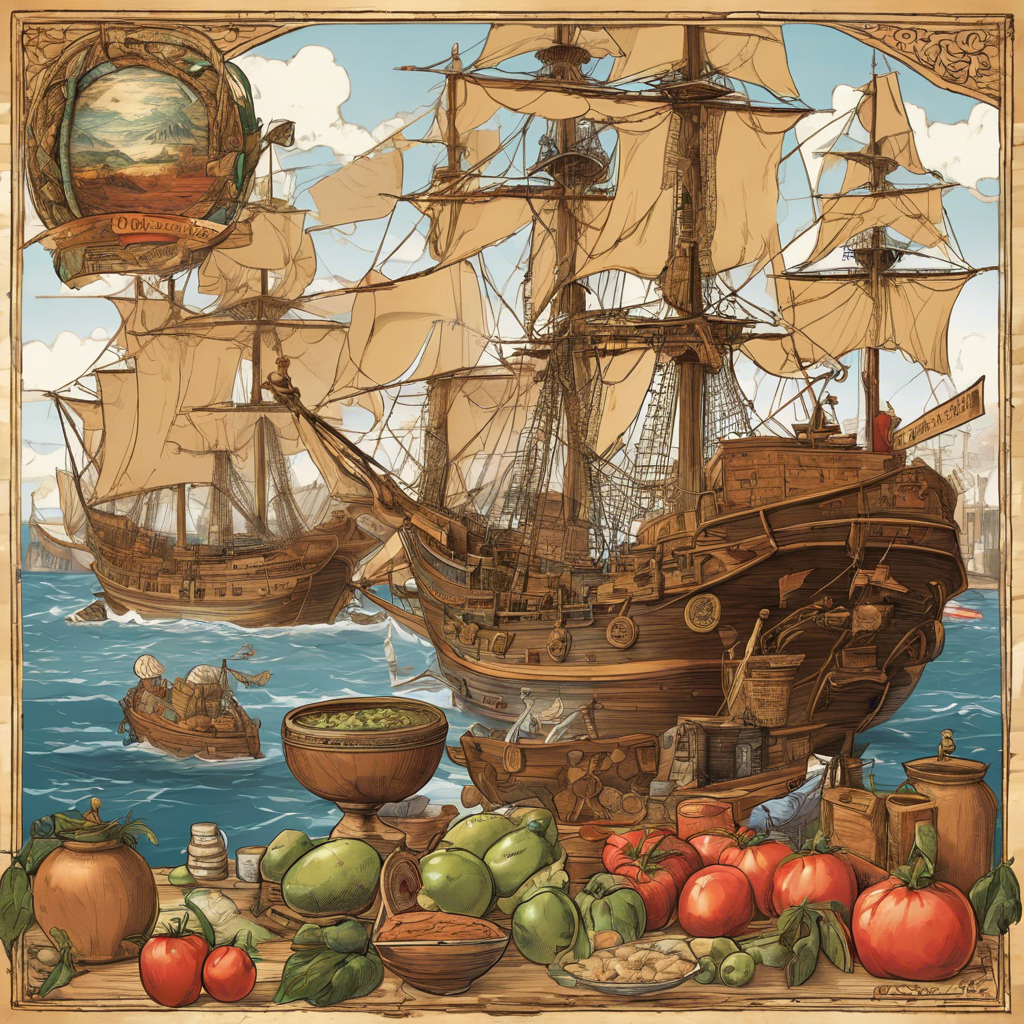
What Role Did Maritime Trade Routes Play In The Global Spread Of Cuisines During The Age Of Exploration?
Introduction
The Age of Exploration, spanning from the 15th to the 17th century, saw maritime trade routes become essential for global commerce. These maritime routes enabled the exchange of goods and cuisines, profoundly impacting diets and culinary traditions across the world. The movement of people, ideas, and foodstuffs transformed not only local diets but also global cuisine on a scale previously unseen.
The Impact of Maritime Trade Routes on Global Cuisine
Maritime trade routes connected continents and cultures, establishing vital networks for the exchange of spices, ingredients, cooking techniques, and culinary traditions. Ships carrying valuable goods traversed oceans, introducing exotic flavors and ingredients to Europe, Asia, and the Americas. As traders and explorers discovered new lands, they adopted local foods and customs, creating a rich cross-cultural exchange that enriched global culinary practices.
- Spices from the East, such as cinnamon, nutmeg, and black pepper, revolutionized European cooking, driving the establishment of flourishing spice trade routes.
- The introduction of New World ingredients like tomatoes, potatoes, and chocolate to Europe transformed European cuisine, expanding the ingredient palette significantly.
Cultural Exchange through Culinary Practices
Maritime trade was pivotal not only for transporting ingredients but also for fostering cultural exchanges. Food became a pivotal medium for sharing ideas, traditions, and customs, leading to innovative hybrid cuisines. For example, the fusion of indigenous ingredients in the Americas with European culinary techniques produced unique regional dishes. The Columbian Exchange was crucial during this era, facilitating the bidirectional transfer of agricultural products and livestock, thereby fundamentally transforming diets across the Atlantic.
- The Columbian Exchange introduced crops like maize and beans from the Americas to Europe while simultaneously bringing staples such as wheat and sugar to the New World.
- The integration of Asian culinary techniques and spices into traditional European dishes added complexity and a variety of global flavors that enriched Europe's culinary landscape.
Conclusion
In conclusion, maritime trade routes during the Age of Exploration significantly shaped the global landscape of cuisine. These trade routes facilitated the exchange of not only ingredients but also cooking methods and culinary traditions, creating a diverse array of flavors that continue to influence modern diets. Understanding this historical context highlights the important role of exploration in shaping global cuisine and underscores the connections between cultures through food.
Expert Quote
Dr. Ken Albala, Professor of History at the University of the Pacific
The maritime routes established during the Age of Exploration were conduits for culinary traditions that reshaped diets worldwide and interconnected global cuisines in ways that are still evident in our contemporary culinary practices.
Interview for Culinary History Journal, 2020
Relevant Links
The Spice Trade & the Age of Exploration - World History ...
https://www.worldhistory.org/article/1777/the-spice-trade--the-age-of-exploration/Age of Discovery - Wikipedia
https://en.wikipedia.org/wiki/Age_of_DiscoveryDid you know?: The Spread of Islam in Southeast Asia through the ...
https://en.unesco.org/silkroad/content/did-you-know-spread-islam-southeast-asia-through-trade-routesEuropean exploration - Age of Discovery, Voyages, Expansion ...
https://www.britannica.com/topic/European-exploration/The-Age-of-DiscoveryCultural Influences on Nutrition: A Historical Perspective - The Age ...
https://www.bookbaker.com/sw/v/Cultural-Influences-on-Nutrition-A-Historical-Perspective-The-Age-of-Exploration-and-Global-Food-Exchange/8aa69b10-c6c0-4aeb-a789-8ad255ea6883/5YouTube Videos
Most popular questions

How Do The Personal Relationships Among Gods Affect Their Decisions In The Iliad?
The intricate relationships among the gods in Homer's epic poem 'The Iliad' play a crucial role in shaping their actions and decisions. These divine interactions create a complex web of fates, where each god's personal alliances and rivalries directly influence the events of the mortal world.

What Strategies Can Parents Use To Educate Their Children About Online Safety Beyond Privacy Settings?
In today's digital landscape, teaching children about online safety is essential for their protection and well-being. While privacy settings play a critical role, parents can implement various strategies to create a thorough understanding of online safety principles among their children.
What Are The Different Types Of Insulation Materials Commonly Used In Buildings, And How Do They Compare In Terms Of Thermal Resistance?
Insulation materials are vital for enhancing energy efficiency in residential and commercial buildings by minimizing heat transfer. Understanding the various insulation types can lead to better choices for thermal resistance and overall comfort.
Most recent questions
How Do Different Fruits Influence The Choice Of Dessert Wine?
Understanding how various fruits affect the selection of dessert wine is crucial for crafting delightful pairings that elevate the overall dining experience. This interaction can transform a basic meal into a memorable culinary adventure for the senses, creating unforgettable moments.
How Do Improvisation Techniques Vary Across Different Cultural Festivals?
Improvisation techniques play a vital role in cultural festivals worldwide, showcasing local traditions, artistic creativity, and spontaneous expressions. These techniques are heavily influenced by cultural contexts, historical backgrounds, and various art forms, highlighting the importance of improvisational arts in community engagement.
What Role Do Local Musicians Play In Shaping The Cultural Identity Presented At Traditional Music Festivals?
Local musicians are pivotal in shaping the cultural identity at traditional music festivals. As performers and cultural ambassadors, their distinctive styles and interpretations of music illustrate the rich heritage and vibrancy of their communities, delivering an engaging experience filled with sound and tradition at these cultural events.