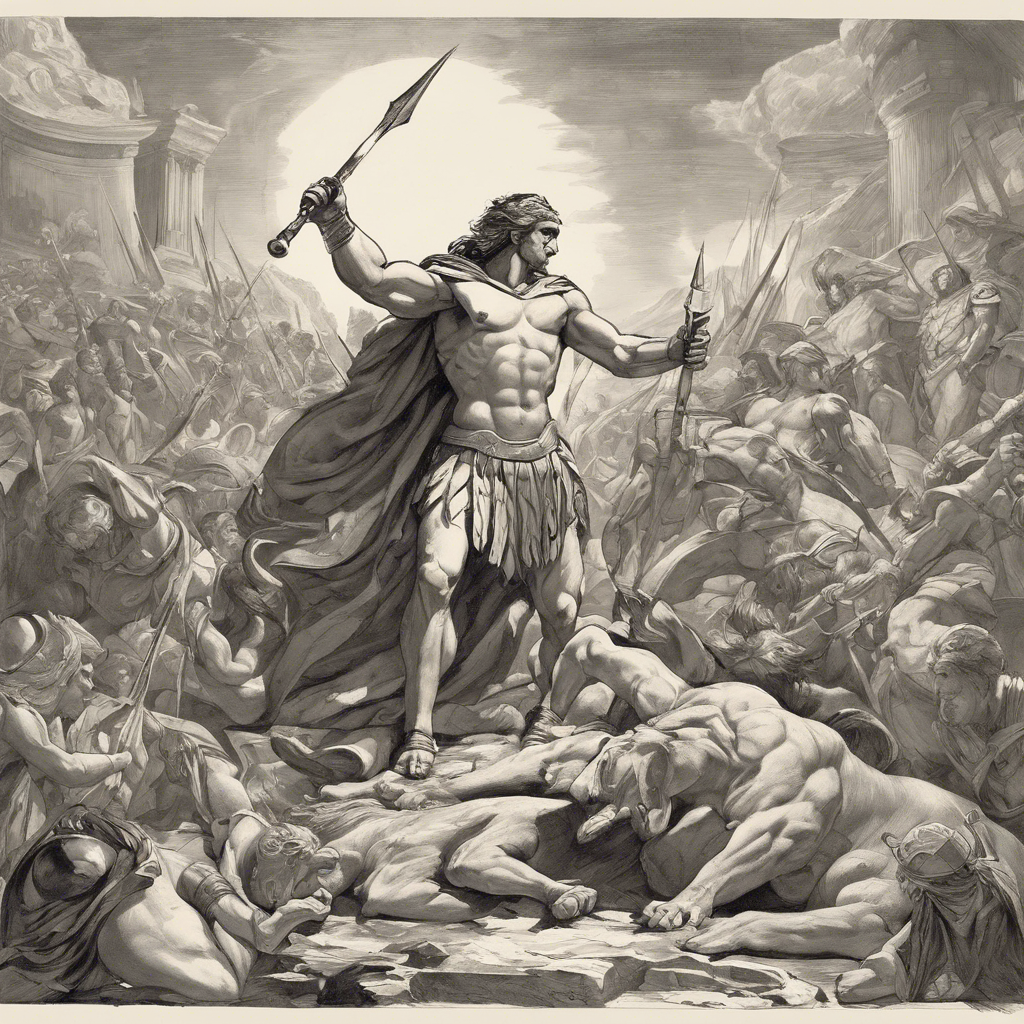
What Role Did The Gods Play In Influencing Achilles' Decisions During The Trojan War?
Introduction
The significance of divine influence on human affairs is a recurring theme in ancient literature, particularly highlighted in Homer's compelling epics. In the narrative of Achilles during the Trojan War, the gods played an essential role in shaping both his motivations and his critical decisions, illustrating the ancient belief that divine intervention could fundamentally change human destiny and outcomes in warfare.
Divine Influence Over Achilles
Achilles, renowned as the greatest Greek warrior, embodies not only the traits of a heroic figure but also the strong influence of the gods on his journey. Each deity involved in the Trojan War had particular interests, frequently intervening in the lives and fates of key characters. For example, the goddess Thetis, Achilles' revered mother, fervently sought to protect him and secure his glory. This divine connection enabled the gods to sway Achilles’ judgment and choices, particularly during pivotal moments of crisis and conflict.
- The intense rage of Achilles was escalated by the affront from Agamemnon, which Thetis communicated to Zeus, initiating divine retribution against the Greek forces.
- Hera and Athena actively intervened to support the Greeks, regularly guiding Achilles and impacting the outcomes of significant battles.
Key Moments of Divine Intervention
Numerous critical events in the Iliad showcase the profound ways in which the gods influenced Achilles' decisions. These moments range from subtle manipulations to direct confrontations among deities regarding the fates of characters and the overarching conflict of the war. Notably, following Hector's death of Patroclus, Achilles is propelled by divine wrath and a heightened sense of personal vengeance, exacerbated by various gods, particularly Athena, who incites him to seek retribution.
- Achilles’ decision to return to battle in the wake of Patroclus' death was driven by profound grief and the explicit divine encouragement for vengeance.
- During intense battles, deities like Ares, Athena, and Apollo directly swayed the outcomes, demonstrating their active participation and influence over mortal struggles.
Conclusion
In conclusion, the gods in the Trojan War were far more than passive observers; they were active participants deeply influencing Achilles' decisions and actions. Their desires and conflicts reflected larger themes of honor, pride, and the repercussions of choices in the human experience. Exploring this divine interplay provides insight into the motivations of characters and the overarching narrative threads of the war.
Expert Quote
Dr. Richard P. Martin, Professor of Classics at Stanford University
In the context of the Iliad, the actions and motivations of Achilles serve as a profound reflection of divine influence, demonstrating the belief that the gods are intricately involved in the moral and ethical dilemmas faced by mortals within the epic narrative.
Book: "Myth and Reality in Ancient Greece: A Study of Homeric Epics"
Relevant Links
The Gods of the Trojan War
https://ww1.odu.edu/content/dam/odu/offices/mun/trojan-war.pdfHow were the Greek gods involved in the Trojan War? - Quora
https://www.quora.com/How-were-the-Greek-gods-involved-in-the-Trojan-WarAchilles' Mother Thetis in the Iliad | Description & Role - Lesson ...
https://study.com/academy/lesson/thetis-in-the-iliad.htmlHow were the gods supposedly involved in the Battle of Troy? - Quora
https://www.quora.com/How-were-the-gods-supposedly-involved-in-the-Battle-of-Troy(Troy 2004) How 16 years has drastically changed my perspective ...
https://www.reddit.com/r/movies/comments/i3e3py/troy_2004_how_16_years_has_drastically_changed_my/YouTube Videos
Most popular questions

How Do The Personal Relationships Among Gods Affect Their Decisions In The Iliad?
The intricate relationships among the gods in Homer's epic poem 'The Iliad' play a crucial role in shaping their actions and decisions. These divine interactions create a complex web of fates, where each god's personal alliances and rivalries directly influence the events of the mortal world.

What Strategies Can Parents Use To Educate Their Children About Online Safety Beyond Privacy Settings?
In today's digital landscape, teaching children about online safety is essential for their protection and well-being. While privacy settings play a critical role, parents can implement various strategies to create a thorough understanding of online safety principles among their children.
What Are The Different Types Of Insulation Materials Commonly Used In Buildings, And How Do They Compare In Terms Of Thermal Resistance?
Insulation materials are vital for enhancing energy efficiency in residential and commercial buildings by minimizing heat transfer. Understanding the various insulation types can lead to better choices for thermal resistance and overall comfort.
Most recent questions
How Do Viewer Demographics Influence The Selection Of Themes And Narratives In Television Series?
Viewer demographics are essential in shaping the themes and narratives of television series. By analyzing the audience’s age, gender, cultural background, and viewing preferences, producers can significantly enhance the storytelling strategy of a show and improve its overall appeal.
What Are The Common Superstitions And Rituals Players Observe Before Poker Games In Various Cultures?
Superstitions and rituals play a significant role in the gambling culture, especially in poker where the stakes are high and chance seems to govern outcomes. Players from diverse backgrounds engage in unique practices they believe enhance their luck at the poker table, reflecting the deep connection between belief and gameplay.
How Do Fan Fiction And Adaptations Contribute To The Original Work's Cultural Impact?
Fan fiction and adaptations are influential phenomena within modern literature and media, significantly impacting the cultural relevance and enduring legacy of the original works they derive from. They empower fans to delve into alternative narratives, explore character expansions, and examine diverse themes, cultivating a dynamic ecosystem around the original content.