What Role Did The International Community Play In The Recognition Of Yugoslavia's Borders And Ethnic Groups?
Introduction
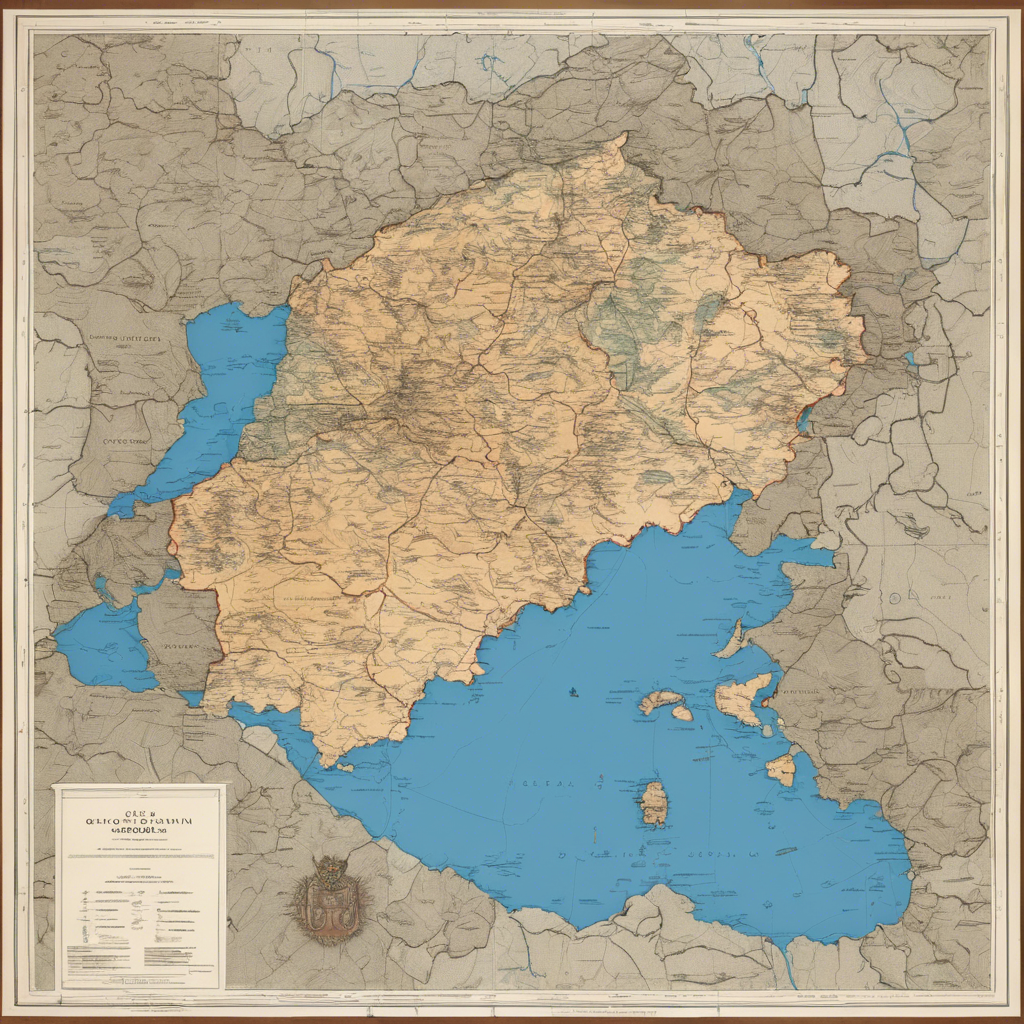
The recognition of Yugoslavia's borders and ethnic groups during the early 1990s was a multifaceted process shaped by historical context, international diplomacy, and the emergence of distinct national identities. This analysis delves into the international community's crucial role in this significant geopolitical event, focusing particularly on the breakup of Yugoslavia and the implications of its recognition by various nations, which has had lasting effects on Balkan geopolitics and stability.
Historical Context of Yugoslavia's Borders
Yugoslavia was established in 1918 as a multi-ethnic state that united several South Slavic nations, including Serbs, Croats, and Bosniaks. The borders of Yugoslavia directly reflected ethnic divisions, creating fertile ground for conflict as various groups sought greater autonomy or complete independence. Following the death of Josip Broz Tito in 1980, nationalist movements gained traction, leading to significant political fragmentation and conflict across the region. The rise of nationalist leaders across the republics greatly exacerbated these tensions and triggered a series of violent conflicts in the early 1990s, ultimately resulting in the disintegration of Yugoslavia.
- Yugoslavia was formed in 1918, uniting diverse South Slavic ethnicities.
- By the 1980s, ethnic tensions heightened significantly, prompting strong independence movements particularly in Slovenia and Croatia.
International Community's Involvement
The international response to the Yugoslav crisis featured key entities such as the United Nations, the European Community (now the EU), and the United States. As ethnic strife escalated into full-blown warfare, these organizations endeavored to mediate conflicts and facilitate the recognition of newly independent states resulting from Yugoslavia's breakup. The international community played an essential role in acknowledging borders and ethnic identities via diplomatic recognition and peacekeeping missions, although the effectiveness and timeliness of these interventions often faced scrutiny amid the escalating conflicts.
- The European Community recognized Slovenia and Croatia in January 1992, paving the way for further recognitions by various nations.
- The United Nations deployed peacekeeping troops, including UNPROFOR, to maintain peace and protect civilians during ongoing hostilities, despite encountering substantial obstacles.
- International negotiations, such as the Dayton Agreement in 1995, were critical in formally establishing borders and creating a peace framework, bringing an end to the Bosnia conflict.
Conclusion
The international community's recognition of Yugoslavia's borders and ethnic groups was instrumental in shaping the post-war landscape of the Balkans. This process involved navigating a complex tapestry of historical grievances, national identities, and geopolitical interests, ultimately resulting in both challenges and achievements in establishing peace and stability in the region. However, many underlying issues continue to persist, indicating that the legacy of these events is far from resolved.
Expert Quote
Dr. David Phillips, Director of the Program on Peace-building and Rights at Columbia University
The recognition of new states emerging from the breakup of Yugoslavia was a pivotal moment in international diplomacy, emphasizing the complexities of ethnic identity and the critical need for a coordinated global response to foster lasting stability in the region.
‘From War to Peace in the Balkans,’ Columbia University Press, 2007
Relevant Links
The Breakup of Yugoslavia, 1990–1992
https://history.state.gov/milestones/1989-1992/breakup-yugoslaviaSerbian Nationalism and the Origins of the Yugoslav Crisis | United ...
https://www.usip.org/publications/1996/04/serbian-nationalism-and-origins-yugoslav-crisisSECURITY COUNCIL, WELCOMING YUGOSLAVIA'S ...
https://press.un.org/en/1999/19990610.sc6686.htmlDeclassified: A short history of NATO - NATO
https://www.nato.int/cps/en/natohq/declassified_139339.htmDušan Janjić, team leader Matjaž Klemenčič, team leader Vlado ...
https://docs.lib.purdue.edu/cgi/viewcontent.cgi?filename=6&article=1027&context=purduepress_ebooks&type=additionalYouTube Videos
Most popular questions

How Do The Personal Relationships Among Gods Affect Their Decisions In The Iliad?
The intricate relationships among the gods in Homer's epic poem 'The Iliad' play a crucial role in shaping their actions and decisions. These divine interactions create a complex web of fates, where each god's personal alliances and rivalries directly influence the events of the mortal world.

What Strategies Can Parents Use To Educate Their Children About Online Safety Beyond Privacy Settings?
In today's digital landscape, teaching children about online safety is essential for their protection and well-being. While privacy settings play a critical role, parents can implement various strategies to create a thorough understanding of online safety principles among their children.
What Are The Different Types Of Insulation Materials Commonly Used In Buildings, And How Do They Compare In Terms Of Thermal Resistance?
Insulation materials are vital for enhancing energy efficiency in residential and commercial buildings by minimizing heat transfer. Understanding the various insulation types can lead to better choices for thermal resistance and overall comfort.
Most recent questions
How Do Changes In Social Media Algorithms Affect The Visibility Of Fan Fiction Narratives?
Social media algorithms significantly influence the visibility of content shared online. For fan fiction writers and readers, ongoing changes in these algorithms can substantially affect how narratives are accessed and appreciated. Understanding these algorithmic fluctuations empowers creators to navigate the digital environment more effectively and maximize their audience reach.
What Is The Process For Obtaining A Public Performance License For A Concert?
Obtaining a public performance license for concerts is essential for musicians and event organizers to ensure legal compliance when performing copyrighted music. This licensing process protects the rights of songwriters and copyright owners while enabling artists to legally showcase their music and receive fair compensation for their performances.
In What Ways Does The Depth Of Character Development Influence A Reader's Connection To The Narrative's Events?
Character development is a vital aspect of storytelling that plays an essential role in how readers perceive and emotionally connect with a narrative. Richly developed characters evoke a range of emotions which actively engage readers and draw them into the storyline, enhancing the overall reading experience.