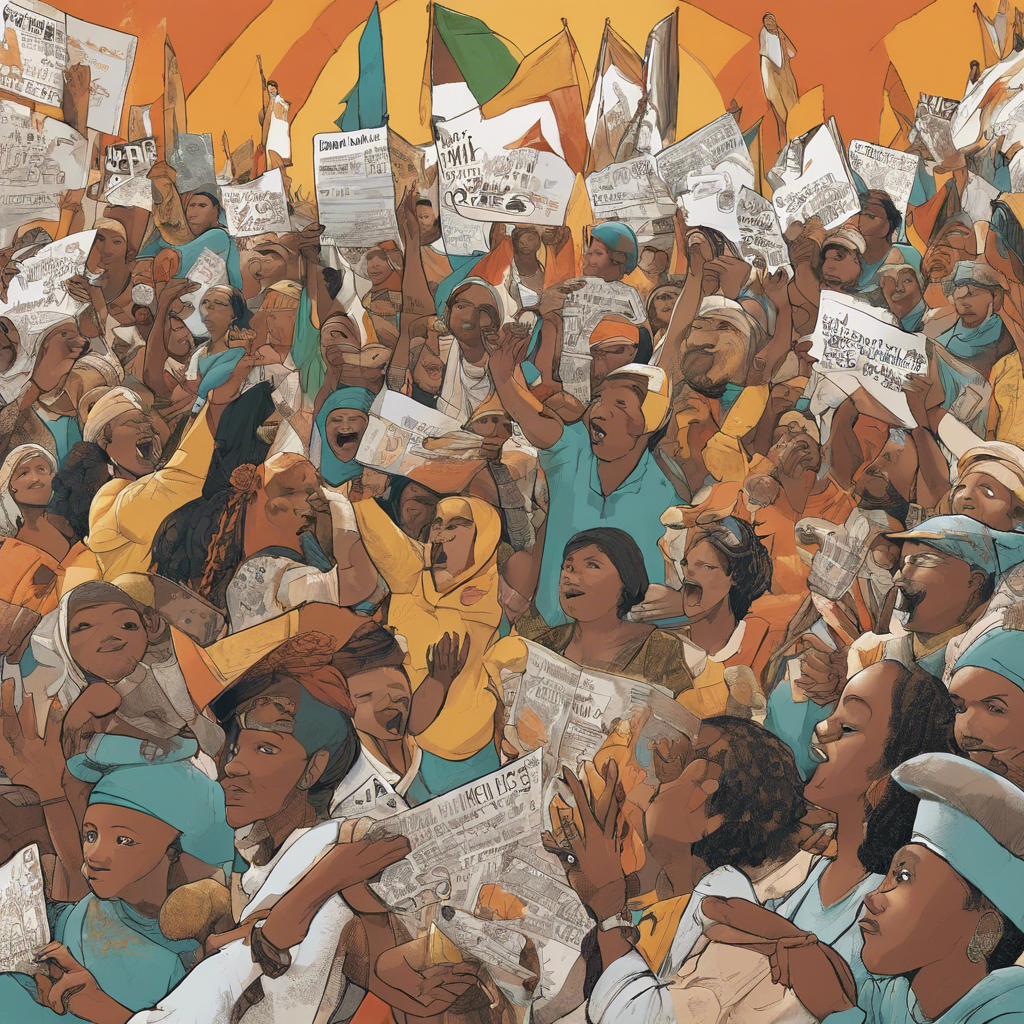
What Role Do Non-governmental Organizations Play In The Enforcement Of International Human Rights Standards?
Introduction
Non-governmental organizations (NGOs) are integral to the enforcement of international human rights standards. They advocate for justice, promote awareness of human rights issues, and hold governments accountable to uphold these standards.
Advocacy and Awareness-Raising
NGOs engage in extensive advocacy efforts aimed at promoting human rights and ensuring communities are well-informed about their rights under international law. They employ a range of strategies to raise awareness, including effective campaigns, public informational meetings, and strategic collaboration with media outlets.
- Organizing impactful public awareness campaigns to educate communities about human rights.
- Collaborating with journalists and media to expose human rights abuses in specific regions.
- Conducting informative training workshops to empower communities about their rights.
Monitoring and Reporting
NGOs play a pivotal role in monitoring human rights conditions globally. They report their findings to relevant bodies, documenting violations and collecting testimonies from victims, which provide credible evidence for international scrutiny. These comprehensive reports serve as a foundation for action by international organizations and state authorities.
- Conducting thorough field investigations to collect first-hand accounts of human rights abuses.
- Submitting detailed and objective reports to the United Nations and other influential international organizations.
- Collaborating with local NGOs to ensure a comprehensive documentation of human rights conditions.
Legal Advocacy and Support
Through dedicated legal advocacy, NGOs aid victims of human rights violations in pursuit of justice. They offer legal representation, assist in case documentation, and partner with local legal clinics to help individuals navigate the complex judicial system.
- Providing expert legal representation for victims in both domestic and international courts.
- Assisting in the preparation and submission of essential legal documents and firsthand testimonies.
- Offering specialized training for local attorneys on human rights law and effective advocacy techniques.
Engagement with International Bodies
NGOs actively engage with prominent international organizations, such as the United Nations, to influence human rights policy and practice. They participate in consultations, provide expert testimonies, and lobby for robust international standards.
- Attending sessions of the UN Human Rights Council to voice concerns and report on human rights violations.
- Campaigning for the adoption of new international human rights treaties or amendments to existing regulations.
- Building strategic coalitions with other NGOs to amplify their advocacy efforts in international forums.
Conclusion
In summary, NGOs function as a crucial link between individuals and international human rights mechanisms, ensuring accountability for those in power while informing individuals about their rights. Their multifaceted approaches—spanning advocacy, monitoring, legal support, and international collaboration—significantly enhance the enforcement of human rights standards worldwide.
Expert Quote
Dr. Philip Alston, former UN Special Rapporteur on extreme poverty and human rights
Non-governmental organizations are essential to the functioning of the human rights system, acting as watchdogs in the enforcement of international standards and providing critical information that often shapes policy decisions.
Report to the General Assembly, UN Human Rights Council, 2018
Relevant Links
Human Rights Activism and the Role of NGOs - Manual for Human ...
https://www.coe.int/en/web/compass/human-rights-activism-and-the-role-of-ngosDeclaration on the Right and Responsibility of Individuals, Groups ...
https://www.ohchr.org/en/instruments-mechanisms/instruments/declaration-right-and-responsibility-individuals-groups-andNon-Governmental Organizations (NGOs) in the United States ...
https://www.state.gov/non-governmental-organizations-ngos-in-the-united-states/Handbook on police accountability, oversight and integrity A ...
https://www.unodc.org/pdf/criminal_justice/Handbook_on_police_Accountability_Oversight_and_Integrity.pdfVoluntary Principles on Security and Human Rights
https://2001-2009.state.gov/g/drl/rls/2931.htmYouTube Videos
Most popular questions

How Do The Personal Relationships Among Gods Affect Their Decisions In The Iliad?
The intricate relationships among the gods in Homer's epic poem 'The Iliad' play a crucial role in shaping their actions and decisions. These divine interactions create a complex web of fates, where each god's personal alliances and rivalries directly influence the events of the mortal world.

What Strategies Can Parents Use To Educate Their Children About Online Safety Beyond Privacy Settings?
In today's digital landscape, teaching children about online safety is essential for their protection and well-being. While privacy settings play a critical role, parents can implement various strategies to create a thorough understanding of online safety principles among their children.
What Are The Different Types Of Insulation Materials Commonly Used In Buildings, And How Do They Compare In Terms Of Thermal Resistance?
Insulation materials are vital for enhancing energy efficiency in residential and commercial buildings by minimizing heat transfer. Understanding the various insulation types can lead to better choices for thermal resistance and overall comfort.
Most recent questions
How Do Culinary Festivals Influence Local Economies Compared To The Effects Of Art And Music Festivals?
Culinary festivals are pivotal for local economies, offering unique financial advantages when compared to art and music festivals. This analysis explores the distinct economic effects of these various types of events and their implications for communities.
How Does The Choice Of Cinematography Impact The Audience's Perception Of Historical Authenticity In Both Documentaries And Fictional Films?
The choice of cinematography is essential for conveying historical authenticity in both documentaries and fictional films. By employing various techniques such as lighting, composition, and camera movement, filmmakers can evoke a rich sense of time and place that greatly influences audience understanding and emotional engagement with historical material.
In What Ways Does The Number Of Players In A Card Game Affect The Psychological Dynamics Among Players?
The psychological interactions between players in card games are deeply influenced by the number of participants. Recognizing these interactions is critical for both casual gamers and competitive players, as they directly impact strategy, emotional engagement, and overall enjoyment of the game.