What Role Do Social Media Platforms Play In Amplifying NGOs' Messages About Human Rights Issues?
Introduction
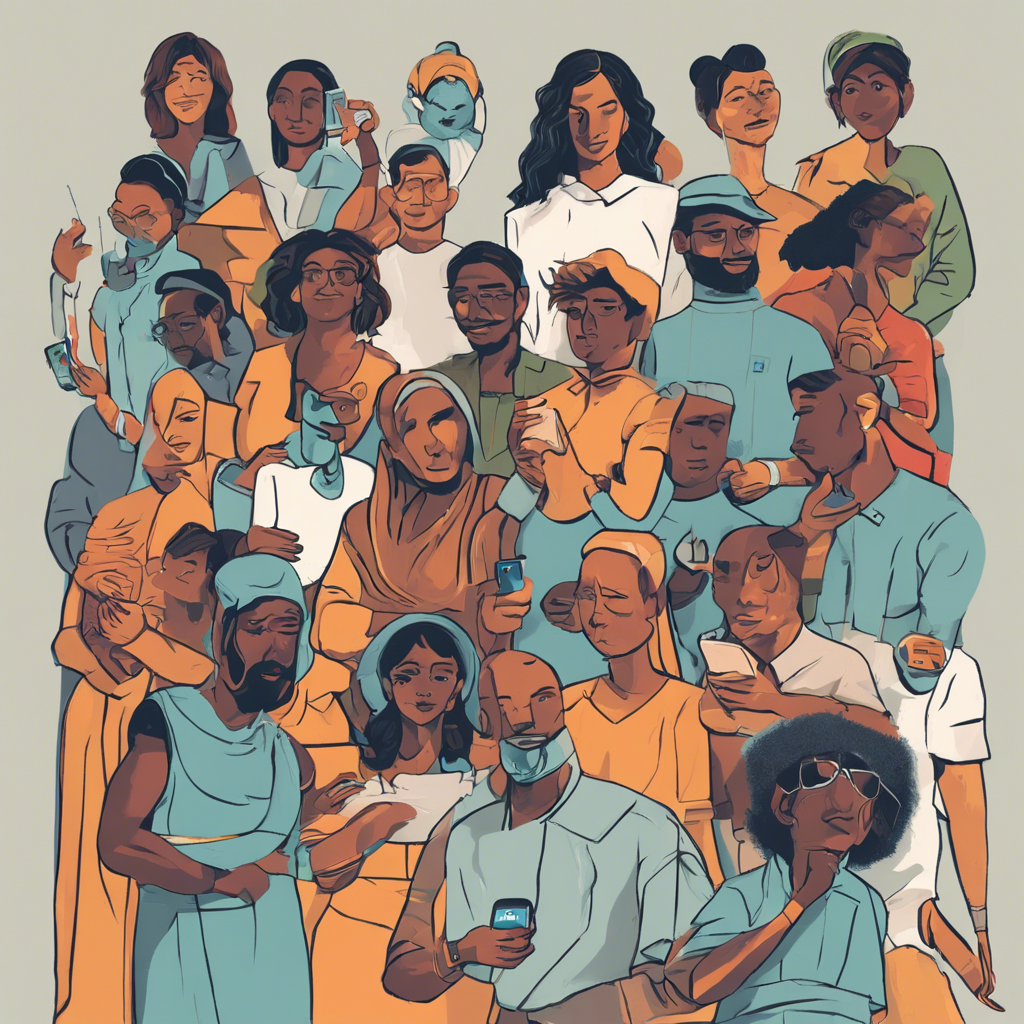
Social media platforms have become essential tools for non-governmental organizations (NGOs) to enhance their advocacy on human rights issues. By harnessing these digital channels, NGOs can effectively reach broader audiences and engage the public in meaningful ways.
The Amplification Effect of Social Media
Social media acts as a powerful megaphone for NGOs, enabling them to share their messages beyond conventional communication channels. Previously, NGOs depended on newsletters and press releases with limited outreach. Today, platforms such as Twitter, Facebook, and Instagram facilitate immediate information sharing, significantly improving visibility. This expansive distribution of content leads to enhanced awareness and mobilization around critical human rights topics. Additionally, social media promotes interactive engagement, allowing followers to comment, share, and initiate discussions about NGOs' content. This dynamic exchange cultivates a community atmosphere and stimulates urgency around human rights initiatives.
- Instant access to a global audience for information dissemination.
- Active engagement through comments, shares, and likes cultivates community participation.
- Real-time updates during crises enhance rapid awareness.
Challenges and Considerations
Despite the advantages of social media for amplifying their messages, NGOs encounter specific challenges. The overwhelming volume of online content can cause their messages to become overshadowed. Furthermore, misinformation can spread swiftly, complicating efforts to disseminate accurate information regarding human rights issues. NGOs must adopt a strategic approach, employing effective messaging, compelling storytelling, and engaging visual content to cut through the vast array of information available on social media. Moreover, social media algorithms significantly influence post visibility, frequently prioritizing content based on engagement rather than importance or accuracy.
- Intense competition for audience attention amidst diverse online content.
- Rapid spread of misinformation necessitates diligent fact-checking and credibility checks.
- Importance of clear, captivating storytelling to engage target audiences.
Conclusion
In conclusion, social media platforms are vital for NGOs in amplifying their human rights advocacy by improving visibility and fostering audience engagement. However, organizations must effectively address challenges such as misinformation, algorithm influence on post visibility, and fierce competition for attention. By employing strategic communication methods, NGOs can successfully leverage social media to advance human rights awareness and advocacy efforts.
Expert Quote
Amnesty International Press Release
Social media is transforming the landscape of human rights advocacy, enabling organizations to reach millions and mobilize support rapidly and effectively, especially during crises.
Amnesty International, Press Release, 2020
Relevant Links
Social Media Misinformation and the Prevention of Political ...
https://www.stimson.org/2022/social-media-misinformation-and-the-prevention-of-political-instability-and-mass-atrocities/Social Media as Activism and Social Justice | Maryville Online
https://online.maryville.edu/blog/a-guide-to-social-media-activism/Social media: A tool for peace or conflict? | SIPRI
https://www.sipri.org/commentary/topical-backgrounder/2021/social-media-tool-peace-or-conflictHuman Rights Activism and the Role of NGOs - Manual for Human ...
https://www.coe.int/en/web/compass/human-rights-activism-and-the-role-of-ngosSocial media impact on Human Rights Advocacy
https://repository.gchumanrights.org/bitstreams/3b75631c-c529-4980-9801-34b8eaf827b2/downloadYouTube Videos
Most popular questions

How Do The Personal Relationships Among Gods Affect Their Decisions In The Iliad?
The intricate relationships among the gods in Homer's epic poem 'The Iliad' play a crucial role in shaping their actions and decisions. These divine interactions create a complex web of fates, where each god's personal alliances and rivalries directly influence the events of the mortal world.

What Strategies Can Parents Use To Educate Their Children About Online Safety Beyond Privacy Settings?
In today's digital landscape, teaching children about online safety is essential for their protection and well-being. While privacy settings play a critical role, parents can implement various strategies to create a thorough understanding of online safety principles among their children.
What Are The Different Types Of Insulation Materials Commonly Used In Buildings, And How Do They Compare In Terms Of Thermal Resistance?
Insulation materials are vital for enhancing energy efficiency in residential and commercial buildings by minimizing heat transfer. Understanding the various insulation types can lead to better choices for thermal resistance and overall comfort.
Most recent questions
How Do Different Board Sizes Affect Strategy In Other Grid-based Games Like Go?
In grid-based strategy games like Go, the dimensions of the board are crucial for shaping player strategies. Variations in board sizes significantly alter game dynamics, influencing tactics and overall strategies. This article explores how different board dimensions impact gameplay in Go and other similar strategy games.
What Role Do Social Media Platforms Play In Amplifying Fan Theories During A Media Release Campaign?
Social media platforms have become essential channels in shaping and amplifying fan theories during media release campaigns, especially within the entertainment industry. These platforms function as dynamic hubs for discussion, sharing, and speculation, significantly enhancing fan engagement with upcoming films, shows, and music releases.
How Do The Nomination And Voting Processes For Artistic Awards Impact Representation In The Final Outcomes?
The nomination and voting processes for prestigious artistic awards are essential in determining which works and individuals gain recognition in the arts. These crucial steps significantly impact representation and diversity among award recipients, shaping societal perceptions of artistic merit and cultural narratives.