What Role Have International Organizations Played In Shaping The Political Landscape Of The Former Yugoslav Republics Post-independence?
Introduction
The political landscape of the former Yugoslav republics has been profoundly shaped by various key international organizations since their independence in the early 1990s. These organizations have been instrumental in peacekeeping efforts, fostering economic development, and advancing democratic governance. However, the effectiveness of their interventions has produced mixed results, highlighting the complexity of the region's challenges.
The Role of International Organizations in Peacekeeping Efforts
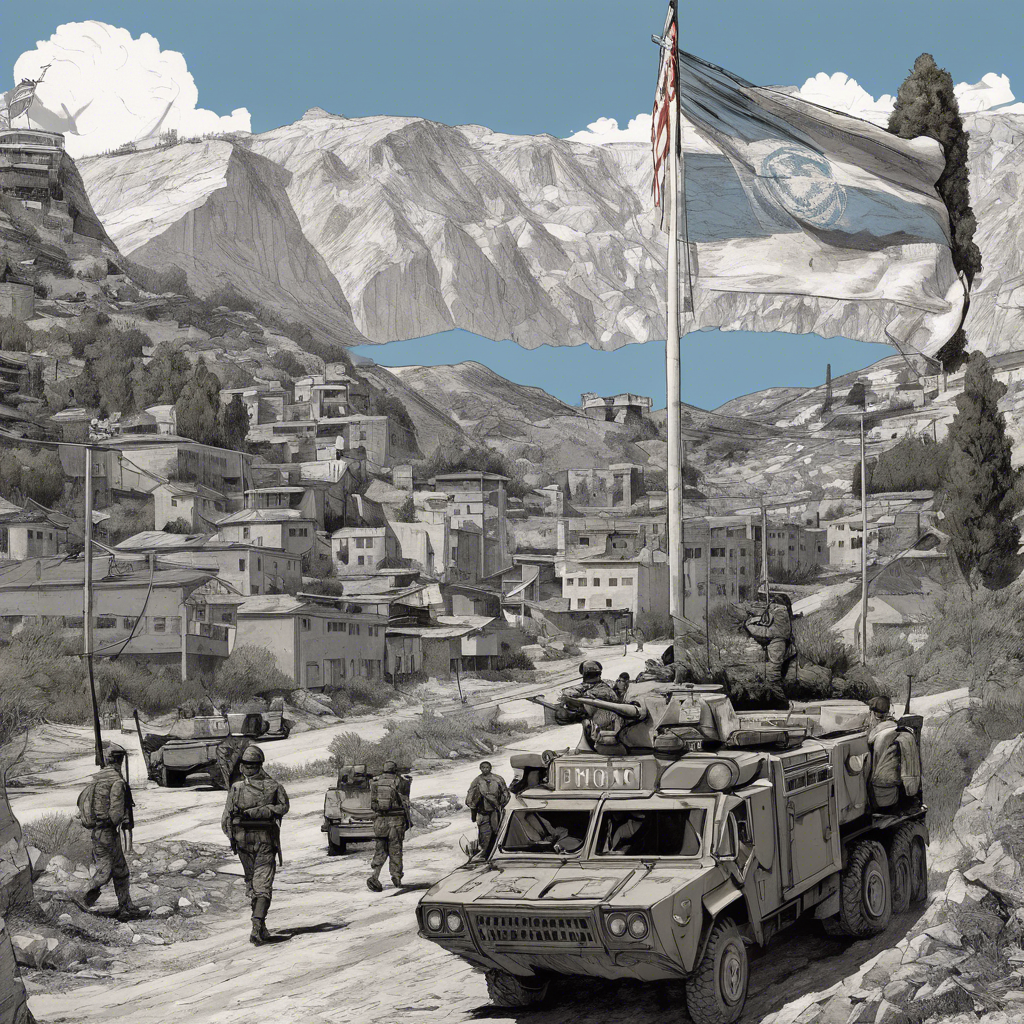
In the aftermath of the Yugoslav breakup, the region faced intense and violent conflicts. Prominent international organizations, such as the United Nations (UN) and the North Atlantic Treaty Organization (NATO), intervened to stabilize the volatile situation. Their initiatives aimed not only to reduce violence but also to protect civilians and facilitate a comprehensive peace process, although they have faced criticism regarding their overall effectiveness.
- The UN initiated peacekeeping missions, including UNPROFOR in Bosnia, which were essential in monitoring ceasefires and safeguarding vulnerable populations.
- NATO executed substantial military interventions, particularly in Bosnia in 1995 and in Kosovo in 1999, aimed at halting ethnic cleansing and restoring stability.
International Organizations Supporting Political and Economic Transformation
International organizations have prioritized assisting the former Yugoslav republics in their crucial transition towards democratic governance and functional market economies. The European Union (EU) has played a pivotal role in this transformative process, yielding varied degrees of success across different republics.
- The EU has delivered significant financial support and technical guidance to promote political reforms and uphold the rule of law.
- Through the Stabilization and Association Process, the EU has incentivized political dialogue and economic collaboration among the republics, despite obstacles in meeting accession criteria.
Challenges Confronting International Organizations in the Region
Despite the crucial interventions by international organizations, they have faced numerous challenges in reshaping the political dynamics of the region. Persistent issues, such as ongoing ethnic tensions, political instability, and resistance to reforms, can frequently hinder progress.
- Ongoing ethnic divisions remain a major challenge, complicating peacebuilding and democratic processes, especially in Bosnia and Herzegovina.
- Some political figures exploit nationalist sentiments, which can undermine international reform efforts and contribute to setbacks in the region's integration process.
Conclusion
In summary, international organizations have been instrumental in influencing the political landscape of the former Yugoslav republics through peacekeeping and promoting democratic reforms. Nevertheless, they continue to confront significant challenges that necessitate strategic and adaptive approaches to achieve enduring stability and cooperation in this culturally rich region.
Expert Quote
Dr. Vinka Stojanović, International Relations Expert and Former UN Peacekeeper
The engagement of international organizations in the Balkans after the breakup of Yugoslavia has been essential, not only for immediate peacekeeping efforts but also for fostering long-term democratic development and economic stability, notwithstanding the considerable difficulties that persist.
Book: 'Peacekeeping and Democracy: The Role of International Organizations in the Former Yugoslavia', 2018.
Relevant Links
Uphold International Law | United Nations
https://www.un.org/en/our-work/uphold-international-lawSecretary Antony J. Blinken Remarks to the Johns Hopkins School ...
https://www.state.gov/secretary-antony-j-blinken-remarks-to-the-johns-hopkins-school-of-advanced-international-studies-sais-the-power-and-purpose-of-american-diplomacy-in-a-new-era/Our history | United Nations Peacekeeping
https://peacekeeping.un.org/en/our-history25 Years of Transition: Post-Communist Europe and the IMF ...
https://www.imf.org/external/region/bal/rr/2014/25_years_of_transition.pdfThe UN Security Council | Council on Foreign Relations
https://www.cfr.org/backgrounder/un-security-councilYouTube Videos
Most popular questions

How Do The Personal Relationships Among Gods Affect Their Decisions In The Iliad?
The intricate relationships among the gods in Homer's epic poem 'The Iliad' play a crucial role in shaping their actions and decisions. These divine interactions create a complex web of fates, where each god's personal alliances and rivalries directly influence the events of the mortal world.

What Strategies Can Parents Use To Educate Their Children About Online Safety Beyond Privacy Settings?
In today's digital landscape, teaching children about online safety is essential for their protection and well-being. While privacy settings play a critical role, parents can implement various strategies to create a thorough understanding of online safety principles among their children.
What Are The Different Types Of Insulation Materials Commonly Used In Buildings, And How Do They Compare In Terms Of Thermal Resistance?
Insulation materials are vital for enhancing energy efficiency in residential and commercial buildings by minimizing heat transfer. Understanding the various insulation types can lead to better choices for thermal resistance and overall comfort.
Most recent questions
In What Ways Do Local Artists And Musicians Partner With Businesses To Improve The Overall Experience At Community Events?
Local artists and musicians play an essential role in enriching community events by partnering with local businesses. These collaborations foster vibrant atmospheres and create unique experiences for attendees, while simultaneously showcasing local talent and benefitting small enterprises. By integrating local art and music, community events become more engaging and memorable, ultimately enhancing local culture.
How Can Foreshadowing Be Effectively Used To Hint At A Character's True Motivations Without Revealing Them Too Early?
Foreshadowing is a powerful literary device that effectively builds suspense and subtly hints at a character’s true motivations without revealing them outright. By strategically incorporating hints and clues throughout the narrative, writers can engage readers and deepen their understanding of intricate character dynamics.
What Are Some Unique Themes For A Cocktail Party That Can Enhance Guest Experience?
Cocktail parties are an enjoyable way to connect with friends and family, and selecting the perfect theme can tremendously elevate the guest experience. A captivating theme not only sets the ambiance but also sparks creativity in drink selection, decorations, and entertainment options. Explore these exciting cocktail party themes for your next event to captivate your guests and make lasting memories.