What Social Movements Emerged In Eastern Europe During The 1980s As A Response To Economic Hardship?
Introduction
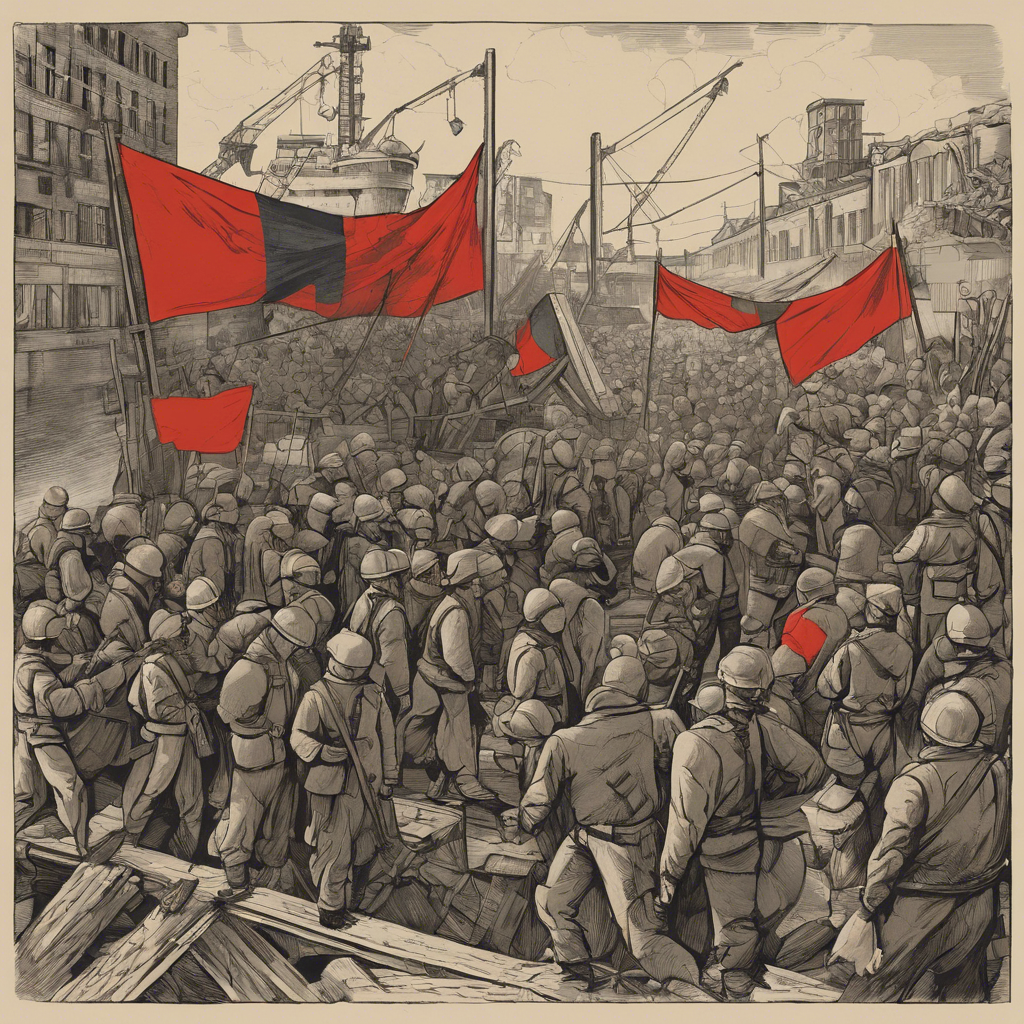
The 1980s marked a transformative era for Eastern Europe, characterized by significant social movements that arose primarily in response to economic challenges and dissatisfaction with authoritarian governments. These movements aimed at addressing economic concerns, while also advocating for essential political and social freedoms.
Impact of the Solidarity Movement in Poland
In Poland, the Solidarity movement became a revolutionary force in the early 1980s. Originally a labor union, it rapidly transformed into a comprehensive social movement that championed workers' rights and democratic freedoms. By confronting the repressive Communist regime, Solidarity garnered widespread public support against pressing economic issues, high inflation, and shortages of essential goods. The movement gained international recognition and played a vital role in the eventual dissolution of communism in Eastern Europe, particularly contributing to semi-free elections in 1989.
- Founded in 1980 by Lech Wałęsa and fellow activists.
- Linked labor rights to demands for democratic reform.
- Coordinated strikes and rallies challenging government policies.
Václav Havel and the Charter 77 Movement in Czechoslovakia
In Czechoslovakia, the Charter 77 movement gained prominence as a critical voice against the government's human rights violations. Spearheaded by prominent intellectuals like Václav Havel, the movement aimed to hold the Communist regime accountable for its commitments to human rights. Charter 77 fostered civil society engagement in peaceful resistance, ultimately setting the stage for the Velvet Revolution in 1989 that dismantled communist rule in the nation.
- Promoted civil liberties and democratic freedoms through a detailed manifesto.
- Encouraged public dissent and civic activism.
- Embodied intellectual resistance to autocracy.
Emergence of Civic Movements Across Eastern Europe
Aside from Poland and Czechoslovakia, various Eastern European nations saw the rise of civic movements. Citizens united against socioeconomic difficulties, discontent with government policies, and the overarching influence of the Soviet Union. These movements sought to promote democratic dialogue, articulate the needs of the populace, and advocate for political reforms. This period included peaceful demonstrations and the foundation of new political parties aimed at overturning the existing regime.
- In Hungary, the FIDESZ opposition party began to gain popularity by the late 1980s.
- The Baltic States experienced vigorous independence movements, especially by 1990.
- In Romania, religious organizations opposed the secular regime's policies, often risking personal safety.
Conclusion
The social movements that emerged in Eastern Europe during the 1980s were a powerful response to economic distress and a strong desire for political and social justice. Collectively, these movements played a critical role in reshaping the political environment across the region, paving the way for significant changes that led to the eventual collapse of communist governments throughout Eastern Europe.
Expert Quote
Dr. Timothy Garton Ash, Historian and Author
The social movements of Eastern Europe in the 1980s were not just a reaction to economic hardship; they represented a powerful yearning for freedom and dignity that would eventually reshape the entire political landscape of the region.
Book 'History of the Present: Essays, Sketches, and Dispatches from Europe in the 1990s', 1999
Relevant Links
Fall of Communism in Eastern Europe, 1989
https://history.state.gov/milestones/1989-1992/fall-of-communismGlobalTrends_2040.pdf
https://www.dni.gov/files/ODNI/documents/assessments/GlobalTrends_2040.pdfDeclassified: A short history of NATO - NATO
https://www.nato.int/cps/en/natohq/declassified_139339.htmDemocracy's Third Wave
https://www.ned.org/docs/Samuel-P-Huntington-Democracy-Third-Wave.pdfEurope and its Urban Development, 1970 to 2020
https://www.eib.org/en/essays/the-story-of-your-cityYouTube Videos
Most popular questions

How Do The Personal Relationships Among Gods Affect Their Decisions In The Iliad?
The intricate relationships among the gods in Homer's epic poem 'The Iliad' play a crucial role in shaping their actions and decisions. These divine interactions create a complex web of fates, where each god's personal alliances and rivalries directly influence the events of the mortal world.

What Strategies Can Parents Use To Educate Their Children About Online Safety Beyond Privacy Settings?
In today's digital landscape, teaching children about online safety is essential for their protection and well-being. While privacy settings play a critical role, parents can implement various strategies to create a thorough understanding of online safety principles among their children.
What Are The Different Types Of Insulation Materials Commonly Used In Buildings, And How Do They Compare In Terms Of Thermal Resistance?
Insulation materials are vital for enhancing energy efficiency in residential and commercial buildings by minimizing heat transfer. Understanding the various insulation types can lead to better choices for thermal resistance and overall comfort.
Most recent questions
How Can The Atmosphere Of An Outdoor Gathering Be Enhanced Beyond Food And Drink Offerings?
Enhancing the atmosphere of an outdoor gathering goes beyond merely providing food and drink. Creating rich experiences and engaging elements can elevate guest enjoyment and foster deeper connections with the event.
How Do Social Media Platforms Influence The Choices And Preferences Of Younger Players When Selecting Online Poker Rooms?
The impact of social media platforms on younger players' choices and preferences in online poker rooms has become increasingly prominent. As digital communication and online community interactions expand, these platforms significantly shape user perceptions, disseminate valuable information, and establish gaming trends that directly affect decision-making in the online poker landscape.
What Specific Social Media Platforms Are Most Popular Among Users Who Engage With Home-recorded Music?
In recent years, the music promotion landscape has experienced a remarkable transformation due to the rise of social media platforms. For musicians focused on home-recorded music, these platforms serve not only as spaces to showcase their artistry but also as dynamic communities where they can engage with listeners and connect with fellow artists.