What Specific Economic Factors Within Eastern Europe Compounded The Pressure For Political Reform In The 1980s?
Introduction
In the 1980s, Eastern Europe faced significant economic challenges that intensified the demand for political reform. Various economic factors created widespread dissatisfaction with the existing regimes, paving the way for transformative changes in governance throughout the region.
Economic Stagnation in Eastern Europe
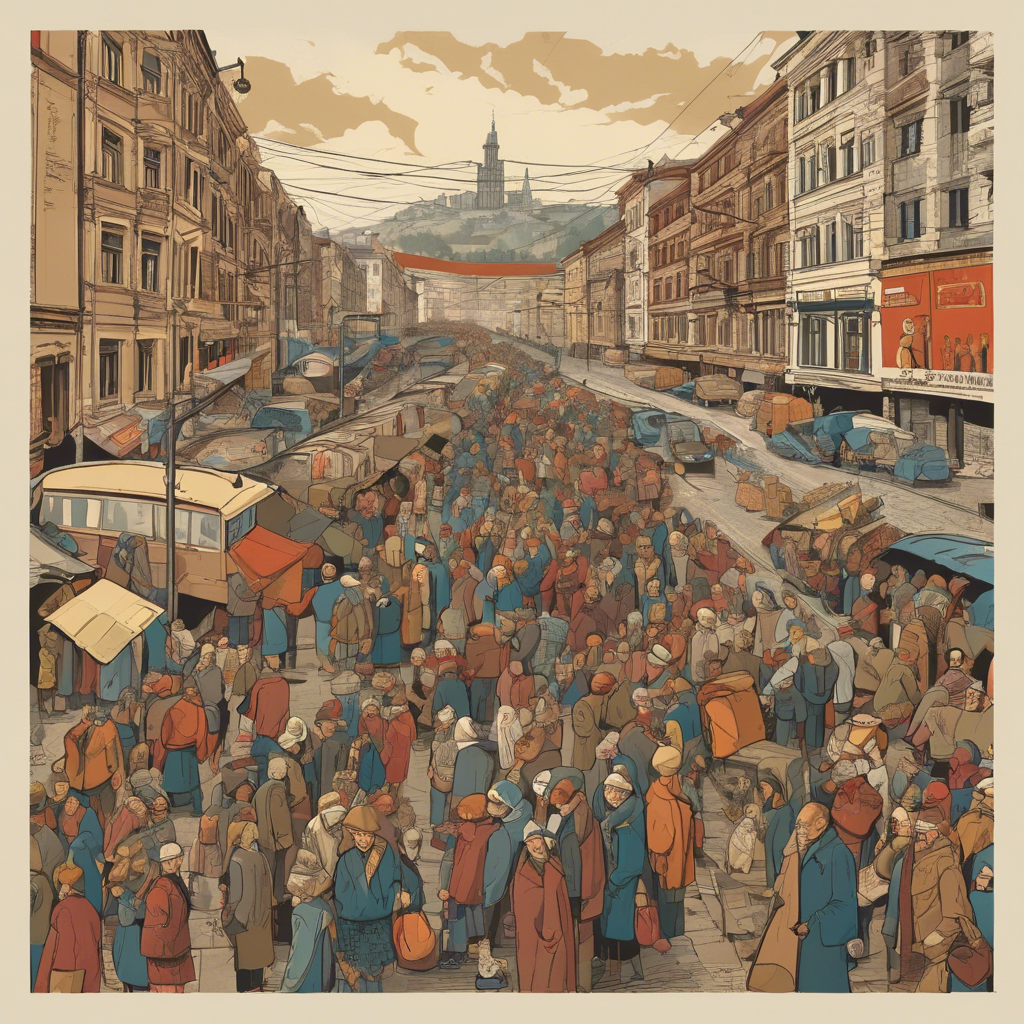
A critical factor influencing the political landscape was the economic stagnation prevalent in Eastern European countries. Following decades of centralized economic planning, these economies struggled to adapt to rapid global changes. Citizens encountered shortages of essential goods, while the quality of available products diminished significantly. This economic stagnation fostered frustration among the populace, who increasingly sought improved living standards and enhanced political freedoms.
- Declining industrial output failing to meet domestic demands.
- Soaring inflation rates in the late 1980s eroding purchasing power.
- Persistent shortages of consumer goods leading to long lines and widespread dissatisfaction.
Debt and Economic Dependency
Numerous Eastern European nations found themselves in a precarious economic situation, heavily dependent on loans from Western countries and international financing institutions. This accumulating debt created a damaging cycle of dependency, constraining national sovereignty and prompting urgent calls for reform initiatives. The weight of debt repayments strained limited resources, often prioritizing external obligations over crucial domestic investments and social welfare, especially towards the decade's end.
- High levels of foreign debt limiting economic flexibility and growth.
- Economic policies increasingly dictated by international creditors rather than local needs.
- Insufficient investments in innovation or infrastructure worsened by financial constraints.
Worker Strikes and Social Movements for Reform
As public dissatisfaction grew, organized resistance manifested through widespread strikes and social movements advocating for workers' rights. Notable strikes in Poland, notably led by the Solidarity movement, underscored profound grievances within a state-controlled economic framework. These mobilizations not only sought better economic conditions but also political representation, fueling a broader reform agenda across the region and inspiring similar movements in other Eastern Bloc nations.
- Massive strikes reflecting widespread worker discontent across various sectors, especially in Poland.
- Emergence of grassroots movements advocating for democracy and significant reform.
- Solidarity’s influential role in inspiring neighboring nations facing similar dilemmas, including Czechoslovakia and Hungary.
Conclusion
The intertwined economic pressures of stagnation, debt dependency, and social unrest played pivotal roles in shaping the political landscape of Eastern Europe during the 1980s. Together, these factors fostered an environment conducive to significant political reform, resulting in historical changes that transformed these nations. Exploring these dynamics provides valuable insights into the correlation between economic conditions and political transformations that ultimately contributed to the fall of communism in the region.
Expert Quote
Dr. Francis Fukuyama, Political Scientist and Author
The collapse of communism in Eastern Europe was, in large part, driven by economic stagnation and the inability of these economies to adapt to the changing global conditions. Economic crises often lead to political crises, as citizens demand accountability and reform.
Fukuyama, Francis. 'The End of History and the Last Man.' Free Press, 1992.
Relevant Links
GlobalTrends_2040.pdf
https://www.dni.gov/files/ODNI/documents/assessments/GlobalTrends_2040.pdfThe Long-lasting Economic Shock of War
https://www.imf.org/en/Publications/fandd/issues/2022/03/the-long-lasting-economic-shock-of-warClimate Change and Vulnerability in the Middle East - Carnegie ...
https://carnegieendowment.org/posts/2023/07/climate-change-and-vulnerability-in-the-middle-east?lang=en25 Years of Transition: Post-Communist Europe and the IMF ...
https://www.imf.org/external/region/bal/rr/2014/25_years_of_transition.pdfSOVIET ECONOMY AND IN THE 1980's: PROBLEMS PROSPECTS ...
https://www.jec.senate.gov/reports/97th%20Congress/Soviet%20Economy%20in%20the%201980s%20-%20Problems%20and%20Prospects%20Part%20I%20%281185%29.pdfYouTube Videos
Most popular questions

How Do The Personal Relationships Among Gods Affect Their Decisions In The Iliad?
The intricate relationships among the gods in Homer's epic poem 'The Iliad' play a crucial role in shaping their actions and decisions. These divine interactions create a complex web of fates, where each god's personal alliances and rivalries directly influence the events of the mortal world.

What Strategies Can Parents Use To Educate Their Children About Online Safety Beyond Privacy Settings?
In today's digital landscape, teaching children about online safety is essential for their protection and well-being. While privacy settings play a critical role, parents can implement various strategies to create a thorough understanding of online safety principles among their children.
What Are The Different Types Of Insulation Materials Commonly Used In Buildings, And How Do They Compare In Terms Of Thermal Resistance?
Insulation materials are vital for enhancing energy efficiency in residential and commercial buildings by minimizing heat transfer. Understanding the various insulation types can lead to better choices for thermal resistance and overall comfort.
Most recent questions
How Do Feedback Loops From Audience Interactions Influence The Direction Of Collaborative Storytelling?
In the world of collaborative storytelling, audience interactions are critical for shaping compelling narratives. Feedback loops generated from these interactions not only boost engagement but also empower creators to enhance their stories, fostering a dynamic connection between audiences and storytellers.
How Do Aging Processes Affect The Flavor Profiles Of Cheeses And Their Pairing With Wines?
The aging process of cheese, known as affinage, is vital in developing its unique flavor profile while greatly influencing its compatibility with wines. As cheese matures, the transformations in its texture and taste create a rich tasting experience that pairs exquisitely with various wines, enhancing culinary enjoyment.
How Do Cultural Representations In Video Games Affect Players' Perceptions Of Real-world Cultures?
Cultural representation in video games is crucial for shaping players' perceptions of various global cultures. Through engaging storytelling, rich character development, and immersive gameplay, video games enable players not just to entertain themselves but also to engage with cultural narratives that can either challenge stereotypes or enhance cultural awareness.