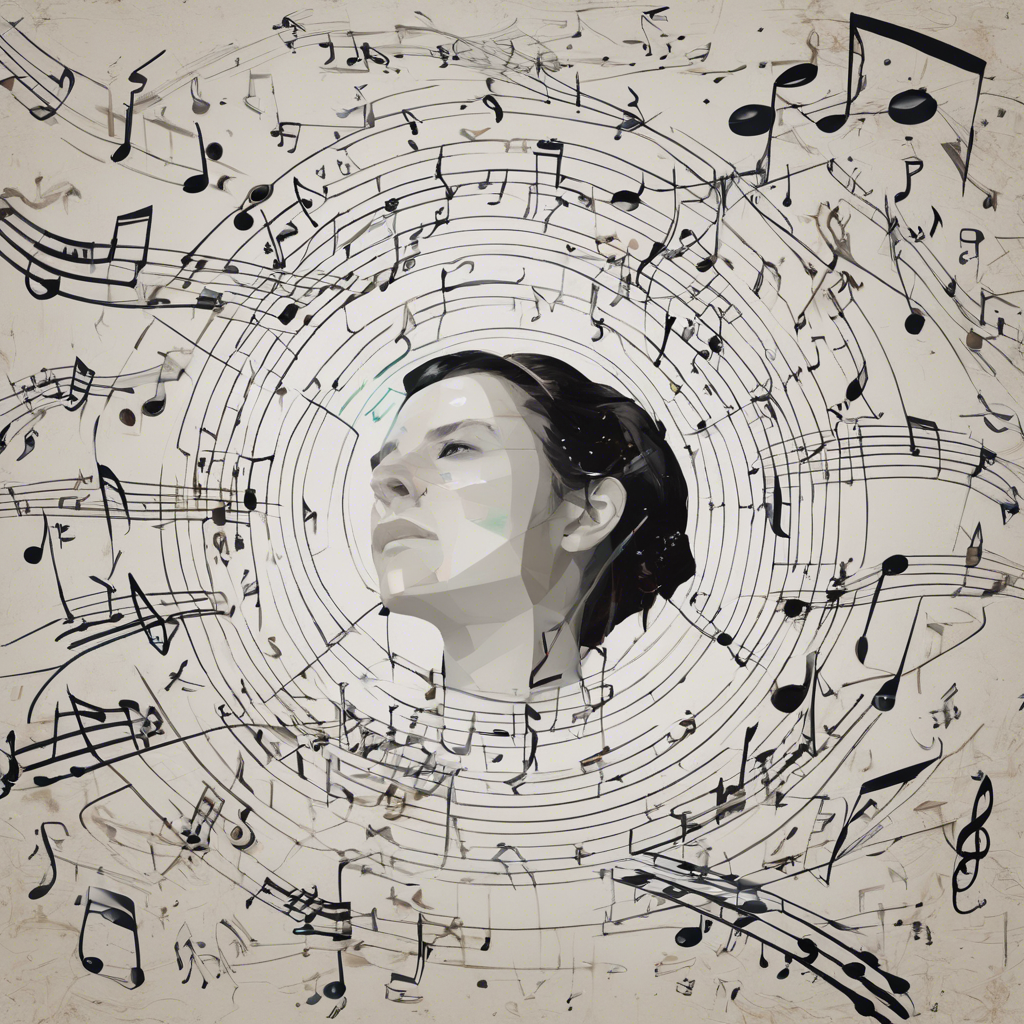
What Specific Elements Of Human Emotion Can Enhance The Effectiveness Of AI-generated Music In Film Scoring?
Introduction
The intersection of human emotion and artificial intelligence in music composition offers an intriguing examination of how emotional cues can elevate the storytelling impact of film. This collaboration between human emotions and AI-generated soundtracks creates a rich auditory environment that captivates moviegoers.
Understanding Human Emotions in Music
Human emotions are intricate and closely connected to musical components. When film composers craft scores, they often utilize their knowledge of these emotions to evoke specific audience reactions. Artificial intelligence can analyze extensive emotional datasets to mimic these effects in music. Key emotional elements that enhance AI-generated music include: - Intensity of Emotion: The power of an emotion can influence the tempo and dynamics of a piece. For example, a suspenseful scene may use a rapid tempo and strong percussion to generate urgency. - Mood Recognition: AI algorithms can determine whether a scene expresses joy, sadness, or fear, enabling customized musical responses that align with the emotional character of the moment. This coherence can lead to scores that feel contextually appropriate and resonate with viewers. - Cultural Context: Various cultures attribute certain musical scales and instruments to specific emotions. AI can integrate this cultural diversity into its compositions, ensuring music is both emotionally impactful and culturally significant.
- Intensity of Emotion drives tempo and dynamics.
- Mood Recognition customizes musical responses.
- Cultural Context adds emotional richness to scores.
Practical Applications in Film Scoring
In the realm of film, the use of AI-generated music greatly benefits from an emotional framework that enhances audience engagement and narrative effectiveness. By harnessing emotional components, filmmakers can design immersive experiences. Notable practical applications include: - Real-time Emotional Adaptation: Utilizing machine learning, AI can modify the score in real-time based on viewer reactions, adjusting the emotional intensity as the film unfolds. This creates a dynamic soundscape that evolves with the storyline, though this technology is still in its infancy and not universally adopted. - Character Themes: AI can create distinct musical themes for characters, allowing for variations in their themes to reflect their emotional journeys. For instance, a character experiencing joy might have a playful variation of their main theme, while somber tones may emerge during moments of grief, mirroring their emotional states. - Cues for Narrative Transitions: Music serves as an emotional marker for transitions in film. AI can scrutinize script data to pinpoint key emotional shifts and compose corresponding music to steer the audience’s emotional experience, though the success of this technique can depend on execution.
- Real-time Emotional Adaptation offers responsive scoring.
- Character Themes establish unique musical identities.
- Cues for Narrative Transitions facilitate emotional pathways.
Conclusion
Integrating specific elements of human emotion into AI-generated music markedly enhances its effectiveness in film scoring. By grasping and utilizing emotional intensity, mood, and cultural context while employing practical applications like real-time adaptations, filmmakers can craft compelling auditory experiences that resonate profoundly with audiences.
Expert Quote
Dr. David Cope, Composer and Pioneer of Algorithmic Music Composition
Music possesses the ability to invoke deep emotions, and as we increasingly leverage AI to compose music, understanding the emotional foundations becomes vital for creating scores that deeply connect with audiences.
Book: "Genetic Music: The Science of Algorithmic Composition"
Relevant Links
When AI begins creating music as good as or better than your ...
https://www.reddit.com/r/LetsTalkMusic/comments/11dj4cc/when_ai_begins_creating_music_as_good_as_or/Opinion Paper: “So what if ChatGPT wrote it?” Multidisciplinary ...
https://www.sciencedirect.com/science/article/pii/S0268401223000233Resolved: On balance, the use of artificial intelligence in art, music ...
https://debateus.org/resolved-on-balance-the-use-of-artificial-intelligence-in-art-music-and-literature-is-undesirable-essay/Is art generated by artificial intelligence real art? — Harvard Gazette
https://news.harvard.edu/gazette/story/2023/08/is-art-generated-by-artificial-intelligence-real-art/Music, memory and emotion - PMC
https://pmc.ncbi.nlm.nih.gov/articles/PMC2776393/YouTube Videos
Most popular questions

How Do The Personal Relationships Among Gods Affect Their Decisions In The Iliad?
The intricate relationships among the gods in Homer's epic poem 'The Iliad' play a crucial role in shaping their actions and decisions. These divine interactions create a complex web of fates, where each god's personal alliances and rivalries directly influence the events of the mortal world.

What Strategies Can Parents Use To Educate Their Children About Online Safety Beyond Privacy Settings?
In today's digital landscape, teaching children about online safety is essential for their protection and well-being. While privacy settings play a critical role, parents can implement various strategies to create a thorough understanding of online safety principles among their children.
What Are The Different Types Of Insulation Materials Commonly Used In Buildings, And How Do They Compare In Terms Of Thermal Resistance?
Insulation materials are vital for enhancing energy efficiency in residential and commercial buildings by minimizing heat transfer. Understanding the various insulation types can lead to better choices for thermal resistance and overall comfort.
Most recent questions
How Do Fan Demographics Influence The Types Of Content That Gain Traction On Social Media For Emerging Artists?
The dynamic interplay between fan demographics and social media content is crucial for the success of emerging artists. By understanding how diverse groups consume online content, artists can effectively strategize their digital presence and maximize audience engagement.
How Do Immersive Technologies Alter The Ways In Which Consumers Engage With Brands In Comparison To Conventional Marketing Strategies?
Immersive technologies, including virtual reality (VR) and augmented reality (AR), are significantly transforming consumer engagement strategies across various industries. These advanced technologies facilitate interactive environments, allowing consumers to engage with brands and products in dynamic ways that traditional marketing methods cannot achieve.
How Do Fan-created Narratives Influence The Development Of Marginalized Characters In Official Media Adaptations?
Fan-created narratives play a pivotal role in transforming the portrayal of marginalized characters within mainstream media adaptations. These engaging stories often address the shortcomings of conventional storytelling, providing diverse and multifaceted representations that resonate deeply with broader audiences.