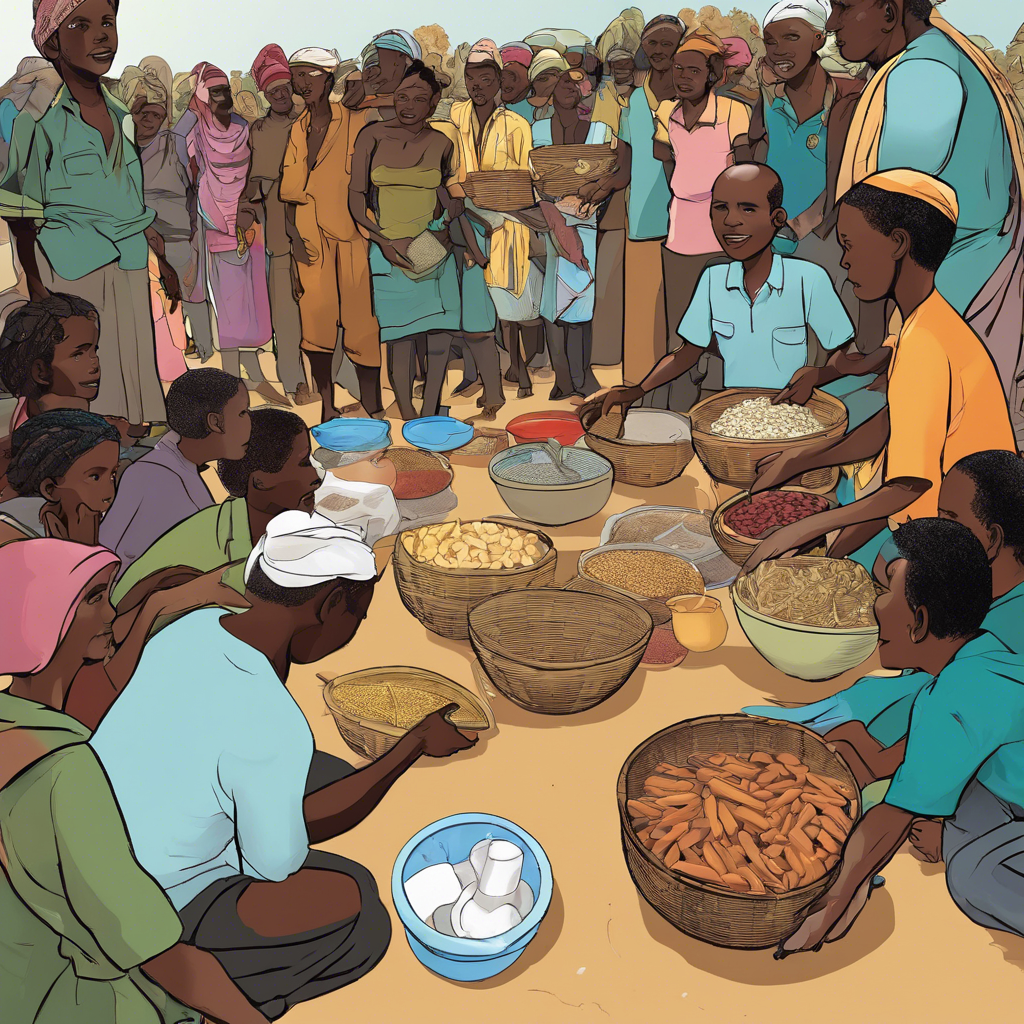
What Specific Roles Have NGOs Played Alongside International Organizations In Addressing Humanitarian Issues In Post-conflict Regions?
Introduction
Non-Governmental Organizations (NGOs) are crucial players in humanitarian efforts, particularly in post-conflict regions where traditional infrastructures may be fragile or destabilized. The strategic collaboration between NGOs and international organizations effectively tackles the complex challenges in these environments, offering essential support to communities affected by conflict.
Key Contributions of NGOs in Post-Conflict Areas
NGOs play a significant role in humanitarian relief, community rehabilitation, and reconstruction initiatives in post-conflict zones. They act as a vital link between affected populations and international organizations by providing localized insights and flexible solutions. This synergy is essential because NGOs possess an understanding of the unique needs of communities and can rapidly mobilize to tackle urgent issues.
- Emergency response and effective distribution of relief supplies, ensuring vulnerable populations access essential food, water, shelter, and medical assistance.
- Facilitating psychosocial support programs aimed at helping individuals recover from trauma, thus fostering community healing and social unity.
- Advocating for human rights and delivering legal support to survivors of violence and abuse during and post-conflict situations, including survivors of gender-based violence.
Collaborations with International Organizations
The partnership between NGOs and international organizations, including the United Nations and the Red Cross, enhances the overall impact of humanitarian initiatives. These collaborations utilize shared resources, expertise, and extensive networks, resulting in a holistic approach to community rebuilding and addressing systemic challenges.
- NGOs frequently execute projects funded by international organizations, ensuring that humanitarian aid reaches those in urgent need, thus increasing accountability and transparency in the distribution process.
- Joint assessments by NGOs and international organizations identify critical areas for intervention, allowing for more effective allocation of resources.
- Capacity-building programs led by NGOs empower local communities, enhancing their ability to sustain development independently, which promotes long-term self-sufficiency.
Conclusion
The partnership between NGOs and international organizations is vital in tackling the intricate humanitarian issues in post-conflict regions. By harnessing their distinct strengths, both sectors can foster resilience, encourage stability, and facilitate successful recovery efforts in affected communities, ultimately supporting peacebuilding endeavors.
Expert Quote
Dr. Judith K. Brown, Director of the Humanitarian Studies Program at Harvard University
NGOs are indispensable in post-conflict recovery, often serving as first responders who navigate the complexities of local needs and dynamics in ways that international organizations may overlook.
Article published in Humanitarian Exchange, Issue 73, 2018
Relevant Links
United States Strategy to Prevent Conflict and Promote Stability ...
https://www.state.gov/united-states-strategy-to-prevent-conflict-and-promote-stability/Peace and Security | United Nations
https://www.un.org/en/global-issues/peace-and-securityHuman Rights Activism and the Role of NGOs - Manual for Human ...
https://www.coe.int/en/web/compass/human-rights-activism-and-the-role-of-ngosPost-conflict contexts and humanitarian organizations: the changing ...
https://jhumanitarianaction.springeropen.com/articles/10.1186/s41018-017-0022-3With Highest Number of Violent Conflicts Since Second World War ...
https://press.un.org/en/2023/sc15184.doc.htmYouTube Videos
Most popular questions

How Do The Personal Relationships Among Gods Affect Their Decisions In The Iliad?
The intricate relationships among the gods in Homer's epic poem 'The Iliad' play a crucial role in shaping their actions and decisions. These divine interactions create a complex web of fates, where each god's personal alliances and rivalries directly influence the events of the mortal world.

What Strategies Can Parents Use To Educate Their Children About Online Safety Beyond Privacy Settings?
In today's digital landscape, teaching children about online safety is essential for their protection and well-being. While privacy settings play a critical role, parents can implement various strategies to create a thorough understanding of online safety principles among their children.
What Are The Different Types Of Insulation Materials Commonly Used In Buildings, And How Do They Compare In Terms Of Thermal Resistance?
Insulation materials are vital for enhancing energy efficiency in residential and commercial buildings by minimizing heat transfer. Understanding the various insulation types can lead to better choices for thermal resistance and overall comfort.
Most recent questions
In What Ways Can International Cuisine Collaborations Impact Culinary Innovation Over Time?
International cuisine collaborations play a vital role in culinary innovation by seamlessly blending diverse flavors, cooking techniques, and cultural practices from around the globe. This dynamic process not only enhances culinary creativity but also fosters cultural exchange and mutual understanding among different communities.
In What Ways Do Music Streaming Services Influence The Music Industry Economics Compared To Traditional Album Sales?
The emergence of music streaming services has radically transformed the economics of the music industry, shifting away from traditional album sales. This significant change impacts artists, record labels, and music consumers, redefining how music is created, distributed, and monetized in the digital era.
What Are Some Vegetarian Side Dishes That Complement Grilled Meats And Wine?
Pairing flavorful vegetarian side dishes with grilled meats and fine wine heightens the overall dining experience while creating a balanced and delicious meal. Whether you're hosting a summer barbecue or enjoying a cozy dinner at home, these vegetarian side options can significantly enhance your menu.