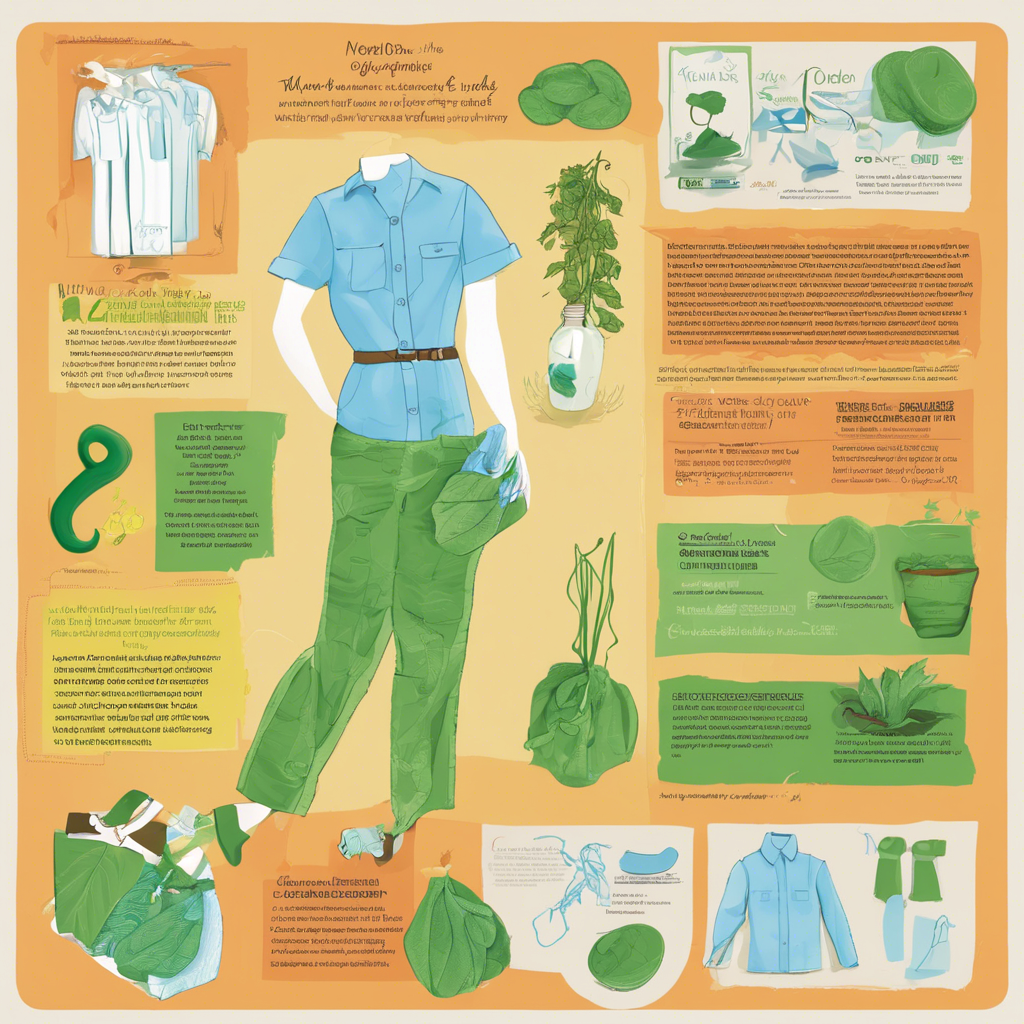
What Specific Sustainable Practices Can Clothing Brands Implement To Reduce Their Environmental Impact?
Introduction
Sustainable practices in the clothing industry are crucial for reducing environmental damage and promoting ethical fashion consumption. As climate change, pollution, and resource depletion persist, clothing brands must adopt sustainable strategies that enhance eco-friendliness and social responsibility. This FAQ examines various sustainable practices that clothing brands can implement to lead the way in sustainable fashion.
Sourcing Sustainable Materials
A primary approach for clothing brands committed to sustainability is sourcing eco-friendly materials. This includes utilizing fabrics that are renewable, recyclable, or have a lower environmental impact. Selecting sustainable materials significantly reduces carbon footprints and supports eco-conscious farming or manufacturing practices.
- Utilize organic cotton, which is cultivated without harmful pesticides and fertilizers, ensuring minimal environmental impact.
- Incorporate recycled materials, such as polyester derived from recycled plastic bottles, to actively reduce textile waste.
- Explore natural fibers like Tencel (Lyocell), produced via a closed-loop process that efficiently recycles water and solvents, along with hemp and linen, which require less water and fewer chemicals in their production.
Minimizing Water Usage in Fashion Production
Water pollution and scarcity pose serious challenges in the fashion industry due to extensive water use in fabric dyeing and processing. Brands can implement innovative strategies to significantly reduce water consumption and protect water resources.
- Adopt waterless dyeing technologies that drastically decrease water usage, such as digital printing or CO2 dyeing.
- Implement closed-loop systems in manufacturing, where water is recycled and reused throughout the production cycle.
- Choose plant-based, biodegradable dyes that minimize water needs and reduce the risk of contaminating waterways.
Promoting Ethical Production Practices
Social sustainability involves ensuring fair labor practices and equitable working conditions. Brands must prioritize ethical production to safeguard workers' rights and maintain humane labor standards.
- Collaborate with certified Fair Trade factories that guarantee fair wages and safe working environments for workers.
- Conduct comprehensive audits of supply chain partners to verify compliance with reputable labor standards.
- Invest in local communities by offering training programs and supporting local artisans, particularly in emerging economies.
Encouraging a Circular Economy in Fashion
The circular economy concept focuses on maintaining products in use for as long as possible, thereby minimizing waste and encouraging recycling. Clothing brands can adopt various strategies to participate in this sustainable model.
- Design garments with longevity in mind, creating timeless styles and using durable fabrics to reduce fast fashion waste.
- Implement take-back initiatives where customers can return used clothing for recycling, resale, or refurbishment, promoting sustainability.
- Educate consumers about proper garment care techniques that extend the life of clothing, such as washing in cold water and air drying instead of tumble drying.
Reducing Energy Consumption in Fashion Manufacturing
The energy used in clothing production contributes significantly to a brand’s carbon footprint. Sustainable practices focus on minimizing energy consumption and integrating renewable energy sources within manufacturing processes.
- Transition to renewable energy sources such as solar or wind power in manufacturing facilities to diminish reliance on non-renewable energy.
- Optimize production processes to decrease energy demands by using efficient machinery and techniques, including energy-efficient lighting and heating systems.
- Encourage reduced production frequencies by emphasizing quality over quantity and adopting a made-to-order production model whenever feasible.
Conclusion
In conclusion, clothing brands can markedly lessen their environmental impact by employing targeted sustainable practices. From sourcing eco-friendly materials to ensuring ethical production methods, brands can enhance their sustainability efforts. By embracing these strategies, brands not only foster a healthier planet but also appeal to an increasingly aware consumer base keen on making responsible fashion choices.
Expert Quote
Rachel Comey, Fashion Designer and Advocate for Sustainable Practices
The future of fashion relies heavily on our commitment to sustainability, influencing everything from material selection to production methods. It is essential that we, as an industry, transition toward circular approaches that benefit not only the environment but also empower communities, while ensuring transparency and accountability in our operations.
Interview with Vogue Business, March 2022
Relevant Links
20 Tips For Building A Sustainable Fashion Brand - Apparel ...
https://www.apparelentrepreneurship.com/20-tips-for-building-a-sustainable-fashion-brand/Sustainable Fashion: 7 tips to reduce your environmental impact
https://climateseed.com/blog/sustainable-fashion-how-to-reduce-your-environmental-impactHow Can The Fashion Industry Be More Sustainable? — James ...
https://www.jameshillman.co.uk/blog/2021/1/27/how-can-the-fashion-industry-be-more-sustainable4 Ways Fashion Brands Can Be More Sustainable - Grounded
https://grounded.world/sustainable-fashion-4-ways-fashion-brands-can-be-more-sustainable/Environmental Sustainability in the Fashion Industry – Geneva ...
https://www.genevaenvironmentnetwork.org/resources/updates/sustainable-fashion/YouTube Videos
Most popular questions

How Do The Personal Relationships Among Gods Affect Their Decisions In The Iliad?
The intricate relationships among the gods in Homer's epic poem 'The Iliad' play a crucial role in shaping their actions and decisions. These divine interactions create a complex web of fates, where each god's personal alliances and rivalries directly influence the events of the mortal world.

What Strategies Can Parents Use To Educate Their Children About Online Safety Beyond Privacy Settings?
In today's digital landscape, teaching children about online safety is essential for their protection and well-being. While privacy settings play a critical role, parents can implement various strategies to create a thorough understanding of online safety principles among their children.
What Are The Different Types Of Insulation Materials Commonly Used In Buildings, And How Do They Compare In Terms Of Thermal Resistance?
Insulation materials are vital for enhancing energy efficiency in residential and commercial buildings by minimizing heat transfer. Understanding the various insulation types can lead to better choices for thermal resistance and overall comfort.
Most recent questions
What Are Some Examples Of Artworks That Incorporate Audience Participation, And How Do They Differ From Traditional Art Forms?
Art has undergone a remarkable evolution over the years, with audience participation emerging as a dynamic and essential component of contemporary art. This transformation contrasts with traditional art forms, which typically present a fixed array of artistic expressions requiring little to no active engagement from viewers.
In What Ways Do Gaming Communities Justify Their Modifications To Existing Games?
Gaming communities frequently engage in modding, a process that involves modifying existing video games to improve the gaming experience, unleash creativity, or rectify perceived issues. This widespread practice is particularly prevalent on PC gaming platforms due to their open architecture and extensive modding support, enabling players to tailor games to their liking.
How Does The Unpredictability Of Game Outcomes Affect Player Retention Over Time?
The unpredictability of game outcomes is essential in influencing player retention, as it directly impacts excitement, challenge, and progression within video games. This element of surprise fosters a dynamic gaming environment, ensuring players continue to return for more enjoyable experiences.