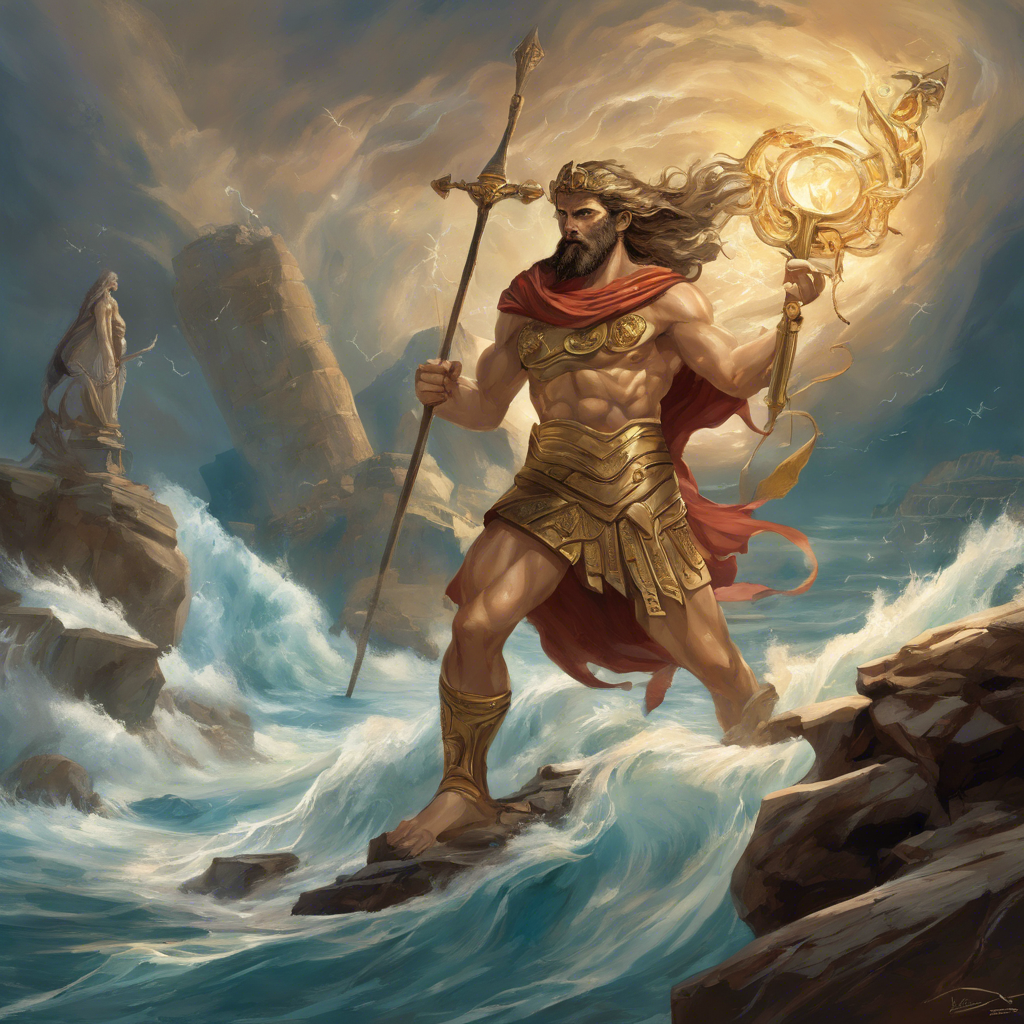
What Specific Traits Do The Gods Display That Influence Their Interactions With Mortals Like Odysseus?
Introduction
The complex interactions between gods and mortals in Greek mythology highlight the impact of divine traits on human experiences. These interactions illustrate the delicate balance between divine influence and human agency, especially in the context of famous figures like Odysseus, showcasing the rich narrative of Greek myth.
Divine Power and Authority in Greek Mythology
In Greek mythology, gods wield immense power and authority that significantly impacts mortals. This divine power often takes the form of protection, punishment, or manipulation in human affairs. For instance, Athena, the goddess of wisdom and warfare, exemplifies benevolent guidance as she aids Odysseus in his quest to return home. Meanwhile, Poseidon, the powerful god of the sea, manifests his authority by unleashing violent storms and hindrances that challenge Odysseus. This dynamic shifting of power illustrates the profound effects of divine relationships on mortal journeys, revealing how gods can facilitate or obstruct success.
- Gods possess immense power to intervene in mortal lives.
- Divine authority can express itself through benevolence or vengeance.
Godly Emotional Traits and Mortal Interactions
The emotional characteristics of the Greek gods play a crucial role in their interactions with mortals. These emotions often lead to outcomes such as favoritism, wrath, or nurturing support. A notable example is Hera’s jealousy, which frequently puts Odysseus at a disadvantage, contrasting with Athena’s love and protection, providing him essential support during his adventures. These emotional responses highlight that the gods are not mere distant entities; they engage actively in human affairs, influenced by their feelings, resulting in significant narrative stakes in mythological tales.
- Favoritism and jealousy shape divine-mortal dynamics, particularly Hera's antagonism toward Odysseus.
- Athena's genuine compassion exemplifies how divine support fosters mortal success.
Human Traits Embodied by Greek Gods
Many Greek gods personify essential human traits and concepts, establishing a relatable connection with mortals. For instance, Aphrodite, embodying love and beauty while also representing jealousy and desire, directly affects the feelings and actions of characters such as Odysseus and Penelope. This duality can yield positive or negative outcomes, as gods projection of their traits onto mortals reflects and amplifies human qualities. Hence, these divine personifications compel mortals to confront their own strengths and weaknesses, enhancing the narrative complexity of Greek mythology.
- Aphrodite shapes themes of love and relationships within mortal lives.
- Godly traits amplify human virtues and flaws, fostering deeper connections.
Conclusion
In conclusion, the traits of Greek gods significantly influence their interactions with mortals like Odysseus. The interplay of divine power, emotional characteristics, and the embodiment of human traits shapes the rich narratives and challenges of these myths. Recognizing these attributes offers valuable insights into the dynamics of divine and human relationships, illuminating the intricate connections in Greek mythology.
Expert Quote
Dr. Robert Graves, Classicist and Author
The Greek gods are intricately woven into the fabric of human emotion and morality, reflecting our virtues and vices, compelling us to ponder the consequences of our actions and the capriciousness of fate.
From 'The Greek Myths', 1955
Relevant Links
Athena: Enforcer or Creator of Fate? | Fictions of the Known World
https://sites.nd.edu/knownworld/2012/09/13/athena-enforcer-or-creator-of-fate/How does homer portray the relationship between gods and men in ...
https://www.quora.com/How-does-homer-portray-the-relationship-between-gods-and-men-in-the-OdysseyHow do you deal with Pantheons/Deities in your homebrew world ...
https://www.reddit.com/r/DMAcademy/comments/17dtr7v/how_do_you_deal_with_pantheonsdeities_in_your/Did the Greeks really believe in their gods? : r/AskHistorians
https://www.reddit.com/r/AskHistorians/comments/17r7u6/did_the_greeks_really_believe_in_their_gods/6 Greek Gods & Their Role in Homer's Odyssey
https://www.thecollector.com/greek-gods-role-homer-odyssey/YouTube Videos
Most popular questions

How Do The Personal Relationships Among Gods Affect Their Decisions In The Iliad?
The intricate relationships among the gods in Homer's epic poem 'The Iliad' play a crucial role in shaping their actions and decisions. These divine interactions create a complex web of fates, where each god's personal alliances and rivalries directly influence the events of the mortal world.

What Strategies Can Parents Use To Educate Their Children About Online Safety Beyond Privacy Settings?
In today's digital landscape, teaching children about online safety is essential for their protection and well-being. While privacy settings play a critical role, parents can implement various strategies to create a thorough understanding of online safety principles among their children.
What Are The Different Types Of Insulation Materials Commonly Used In Buildings, And How Do They Compare In Terms Of Thermal Resistance?
Insulation materials are vital for enhancing energy efficiency in residential and commercial buildings by minimizing heat transfer. Understanding the various insulation types can lead to better choices for thermal resistance and overall comfort.
Most recent questions
How Does The Integration Of Multimedia In Digital Narratives Enhance Audience Engagement Compared To Traditional Storytelling Methods?
The integration of multimedia in digital storytelling significantly transforms how narratives are conveyed and experienced. Unlike traditional storytelling, which typically relies on text or spoken word, multimedia storytelling fuses various formats such as images, audio, video, and interactive elements, resulting in a richer and more engaging experience for the audience.
How Do Cognitive Biases Influence Betting Strategies In Poker And Blackjack?
Cognitive biases significantly influence the decisions of poker and blackjack players, often resulting in poor choices. By understanding these biases, players can gain a competitive edge by identifying and counteracting their effects on decision-making and betting strategies.
How Do Variations In Poker Game Types (i.e., Cash Games Vs. Tournaments) Impact Player Earnings In The Long Run?
In the competitive landscape of poker, enthusiasts frequently analyze the advantages and disadvantages of various game formats, primarily cash games versus tournaments. The structure, rules, and dynamics of each format heavily affect players' strategies, risk tolerance, and, ultimately, long-term profitability.