What Strategies Can Be Implemented To Bridge Cultural Gaps In Remote Team Communication?
Introduction
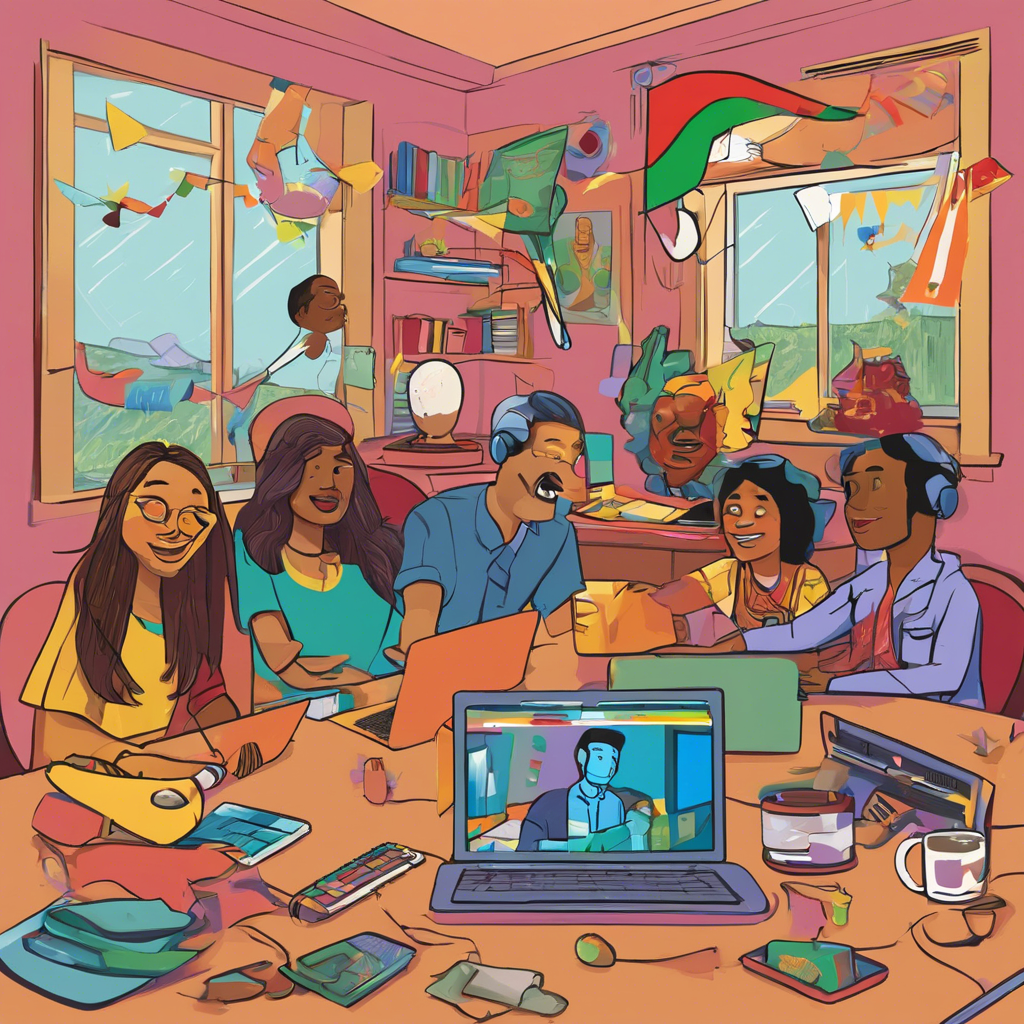
In today's interconnected world, remote teams frequently consist of individuals from various cultural backgrounds. It is crucial to bridge cultural gaps in communication to foster effective collaboration, minimize misunderstandings, and enhance overall productivity. This comprehensive guide highlights powerful strategies to improve communication across cultural differences in remote teams.
Understanding Cultural Differences in Remote Teams
Cultural differences can present themselves in multiple ways, including distinct communication styles, varying work ethics, and unique social norms. Acknowledging these cultural differences is fundamental to enhancing communication effectiveness within remote teams. For example, some cultures prioritize direct communication while others may favor a more indirect approach. By understanding these disparities, team members can prevent misinterpretations and cultivate stronger professional relationships.
- Conduct cultural awareness training to enlighten team members about each other's cultural backgrounds and practices.
- Encourage open dialogues about cultural perspectives to enhance empathy and understanding.
Leveraging Technology for Effective Remote Communication
In the realm of remote work, technology serves as a critical facilitator of communication. By utilizing diverse digital tools and platforms, remote teams can bridge cultural gaps with greater efficiency. Tools like video conferencing, instant messaging, and collaboration platforms foster clearer and more immediate communication. Scheduling regular video meetings can enhance team dynamics by allowing non-verbal cues to convey emotions and strengthen connections among team members.
- Incorporate visual aids in presentations to help overcome language barriers.
- Utilize translation tools or applications to enhance the comprehension of written communication.
Establishing Clear Communication Guidelines
To reduce confusion and frustration in remote teams, it is essential to establish clear communication guidelines. This involves setting expectations for response times, designating preferred communication channels, and defining meeting protocols. Clear communication guidelines create a structured environment where team members feel confident sharing ideas and addressing concerns, ultimately improving collaboration.
- Specify response times for emails and messages to effectively manage team expectations.
- Develop a team charter that outlines communication standards and shared cultural values.
Promoting Inclusivity and Engagement in Communication
To successfully bridge cultural gaps, it is vital to foster an inclusive environment where all team members feel appreciated and heard. Encouraging involvement from every participant during discussions, regardless of their cultural background, ensures that diverse viewpoints are incorporated. This commitment to inclusivity cultivates mutual respect and enhances collaborative efforts within the team.
- Introduce rotating leadership roles in meetings to empower various voices and viewpoints.
- Acknowledge and celebrate cultural holidays or traditions to promote a sense of community and belonging among team members.
Conclusion
Bridging cultural gaps in remote team communication necessitates deliberate efforts to understand, adapt, and embrace diverse perspectives. By implementing strategies such as promoting cultural awareness, leveraging technology, establishing clear guidelines, and fostering inclusivity, remote teams can significantly enhance their communication effectiveness and overall collaborative impact.
Expert Quote
Dr. Geert Hofstede, Cultural Psychologist and Author
Effective communication is not merely a matter of choosing the right words; it is about understanding the deeper cultural values behind them. When teams are aware of their cultural biases and differences, they can foster collaboration that transcends barriers.
Hofstede, G. (2001). Culture's Consequences: Comparing Values, Behaviors, Institutions, and Organizations Across Nations.
Relevant Links
How to Bridge Cultural Gaps While Working With Virtual Teams
https://mymountainmover.com/how-to-bridge-cultural-gaps-while-working-with-virtual-teams/Managing cross cultural remote teams: Top strategies to create ...
https://www.culturemonkey.io/employee-engagement/managing-cross-cultural-remote-teams/Cross-Cultural Communication | Berkeley Exec Ed
https://executive.berkeley.edu/thought-leadership/blog/cross-cultural-communicationBuilding bridges across borders: Strategies for a cohesive remote ...
https://kestria.com/insights/building-bridges-across-borders-strategies-for-a-c/Tools To Enhance Communication & Efficiency Across Global Teams
https://www.forbes.com/sites/karadennison/2024/06/14/tools-to-enhance-communication--efficiency-across-global-teams/YouTube Videos
Most popular questions

How Do The Personal Relationships Among Gods Affect Their Decisions In The Iliad?
The intricate relationships among the gods in Homer's epic poem 'The Iliad' play a crucial role in shaping their actions and decisions. These divine interactions create a complex web of fates, where each god's personal alliances and rivalries directly influence the events of the mortal world.

What Strategies Can Parents Use To Educate Their Children About Online Safety Beyond Privacy Settings?
In today's digital landscape, teaching children about online safety is essential for their protection and well-being. While privacy settings play a critical role, parents can implement various strategies to create a thorough understanding of online safety principles among their children.
What Are The Different Types Of Insulation Materials Commonly Used In Buildings, And How Do They Compare In Terms Of Thermal Resistance?
Insulation materials are vital for enhancing energy efficiency in residential and commercial buildings by minimizing heat transfer. Understanding the various insulation types can lead to better choices for thermal resistance and overall comfort.
Most recent questions
How Do Fan-created Narratives Influence The Development Of Marginalized Characters In Official Media Adaptations?
Fan-created narratives play a pivotal role in transforming the portrayal of marginalized characters within mainstream media adaptations. These engaging stories often address the shortcomings of conventional storytelling, providing diverse and multifaceted representations that resonate deeply with broader audiences.
How Do Feedback Loops From Audience Interactions Influence The Direction Of Collaborative Storytelling?
In the world of collaborative storytelling, audience interactions are critical for shaping compelling narratives. Feedback loops generated from these interactions not only boost engagement but also empower creators to enhance their stories, fostering a dynamic connection between audiences and storytellers.
In What Ways Can The Evolution Of Digital Media Alter Traditional Storytelling Methods?
The evolution of digital media has significantly transformed traditional storytelling methods, seamlessly blending diverse formats and advanced technology to enrich narrative experiences. In this article, we will explore how the rise of digital platforms is reshaping the creation, sharing, and consumption of stories in today’s media landscape.