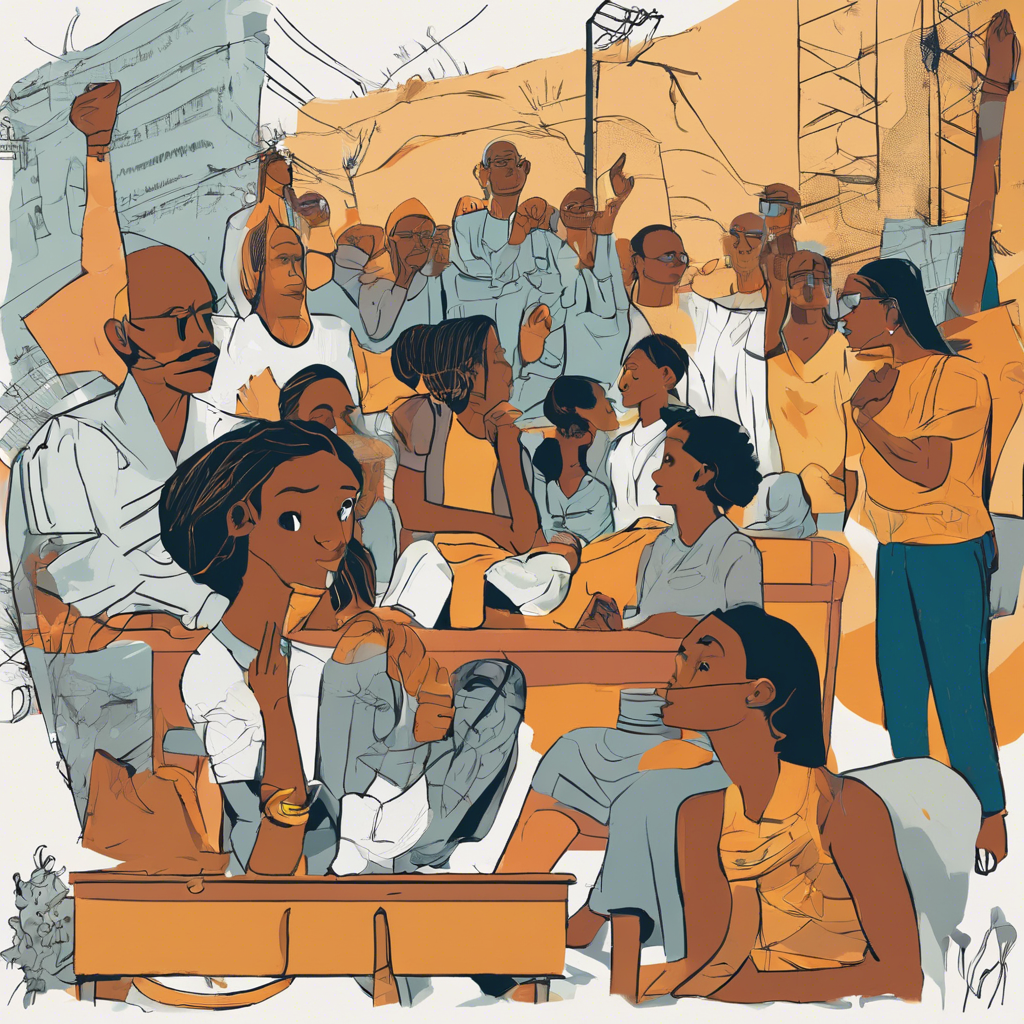
What Strategies Can NGOs Use To Overcome Obstacles In Enforcing International Human Rights Standards?
Introduction
Non-Governmental Organizations (NGOs) are instrumental in advancing and enforcing international human rights standards. Despite their critical role, these organizations encounter considerable challenges in their advocacy work. Understanding and implementing effective strategies to overcome these challenges is vital for maximizing the impact of NGOs in promoting human rights globally.
Identifying and Understanding Obstacles to Human Rights Advocacy
The initial step for NGOs aiming to overcome barriers is to comprehensively identify the diverse challenges they encounter. These obstacles can range from legal constraints and limited resources to a lack of political will and societal pushback. Gaining insight into these challenges enables NGOs to craft precise strategies to effectively counter them.
- Legal barriers, including oppressive regulations on civil society and restrictions on the right to assemble.
- Political challenges such as absence of support or direct opposition from local and national government entities.
- Resource constraints, which encompass inadequate funding, limited manpower, and access to essential information.
- Cultural and societal pushback against human rights advocacy, often resulting in stigmatization or violence.
Strategic Approaches for Effective Enforcement of Human Rights
NGOs can leverage various strategies to successfully champion human rights and enforce global standards. These approaches typically rely on resilience, collaboration, and innovative methodologies designed to enhance advocacy effectiveness.
- Forming alliances with other NGOs and civil society groups to strengthen their collective advocacy efforts.
- Engaging in strategic litigation to challenge unfair laws or practices in courts, potentially reshaping broader legal contexts.
- Utilizing digital platforms and social media to raise public awareness, mobilize community support, and document instances of human rights abuses.
- Lobbying local and international authorities to sway policy changes through well-planned campaigns and advocacy initiatives.
Creating Education and Awareness Campaigns
Increasing public awareness about human rights is essential. Education empowers communities and fosters a culture of respect for rights. NGOs can implement impactful campaigns designed to increase understanding and garner support.
- Conducting workshops and training focused on human rights education tailored to community needs to promote empowerment.
- Leveraging social media platforms to connect with a wider audience and engage younger generations.
- Producing informative materials like brochures, videos, and podcasts to engage the public in various formats and stimulate discussions.
- Collaborating with local educational institutions for programs that integrate human rights into curriculum development and activism initiatives.
Implementing Monitoring and Reporting Mechanisms
Robust monitoring and reporting on human rights are crucial for NGOs to ensure accountability for violations. This encompasses documenting breaches and making findings accessible to both local and international stakeholders.
- Developing systems for systematic data collection and analysis to identify trends in human rights violations.
- Creating periodic reports on the state of human rights to share insights with governments, NGOs, and the media.
- Engaging with international human rights reporting mechanisms, such as participating in the UN Universal Periodic Review.
- Training grassroots activists in effective documentation of violations, empowering local voices in human rights advocacy.
Collaborating with International Human Rights Bodies
NGOs should actively cultivate relationships with international organizations like the UN and regional entities to bolster support for their initiatives. These collaborations can enhance credibility and amplify pressure for adherence to human rights norms.
- Attending international conferences to highlight local issues while building advocacy support networks.
- Establishing connections with international NGOs for resource sharing and aligning strategies to enhance campaign effectiveness.
- Pursuing funding and grants from international foundations, in addition to developing strategic partnerships to support advocacy goals.
- Utilizing international legal frameworks to demand accountability and promote compliance with human rights treaties.
Conclusion
In summary, NGOs encounter a multitude of challenges in enforcing international human rights standards. However, by embracing comprehensive strategies that involve recognizing obstacles, forging coalitions, and heightening awareness, they can markedly improve their influence. Prioritizing education, collaboration, and strategic advocacy is key to fostering significant advancements in human rights promotion worldwide.
Expert Quote
Mary Robinson, former UN High Commissioner for Human Rights
NGOs play a pivotal role in advocating for human rights, and their strategic partnerships and resilience are crucial for overcoming the barriers they face in enforcing international standards.
Address at the Human Rights Council, March 2020
Relevant Links
Human Rights Activism and the Role of NGOs - Manual for Human ...
https://www.coe.int/en/web/compass/human-rights-activism-and-the-role-of-ngosPromoting Compliance with Human Rights: The Performance of the ...
https://academic.oup.com/isq/article/63/4/1079/5567246FREQUENTLY ASKED QUESTIONS ON A HUMAN RIGHTS-BASED ...
https://www.ohchr.org/Documents/Publications/FAQen.pdfHandbook on police accountability, oversight and integrity A ...
https://www.unodc.org/pdf/criminal_justice/Handbook_on_police_Accountability_Oversight_and_Integrity.pdfUphold International Law | United Nations
https://www.un.org/en/our-work/uphold-international-lawYouTube Videos
Most popular questions

How Do The Personal Relationships Among Gods Affect Their Decisions In The Iliad?
The intricate relationships among the gods in Homer's epic poem 'The Iliad' play a crucial role in shaping their actions and decisions. These divine interactions create a complex web of fates, where each god's personal alliances and rivalries directly influence the events of the mortal world.

What Strategies Can Parents Use To Educate Their Children About Online Safety Beyond Privacy Settings?
In today's digital landscape, teaching children about online safety is essential for their protection and well-being. While privacy settings play a critical role, parents can implement various strategies to create a thorough understanding of online safety principles among their children.
What Are The Different Types Of Insulation Materials Commonly Used In Buildings, And How Do They Compare In Terms Of Thermal Resistance?
Insulation materials are vital for enhancing energy efficiency in residential and commercial buildings by minimizing heat transfer. Understanding the various insulation types can lead to better choices for thermal resistance and overall comfort.
Most recent questions
What Are The Socio-economic Impacts Of Tourism Generated By Film Festivals Compared To Music Festivals?
Festivals play a pivotal role in boosting tourism and enhancing local economies, yet the socio-economic impacts of film festivals significantly differ from those of music festivals. This detailed comparison highlights various benefits and challenges associated with both types of festivals, influencing local communities in distinct ways.
What Role Do Local Musicians Play In Shaping The Cultural Identity Presented At Traditional Music Festivals?
Local musicians are pivotal in shaping the cultural identity at traditional music festivals. As performers and cultural ambassadors, their distinctive styles and interpretations of music illustrate the rich heritage and vibrancy of their communities, delivering an engaging experience filled with sound and tradition at these cultural events.
What Role Does The Pricing Of Food Options Play In Overall Passenger Satisfaction At Dining Establishments In Transit Hubs?
The pricing of food options at dining establishments in transit hubs is crucial for enhancing passenger satisfaction. Given the limited time and diverse preferences of travelers, the perceived value of available food offerings significantly affects their dining experiences.