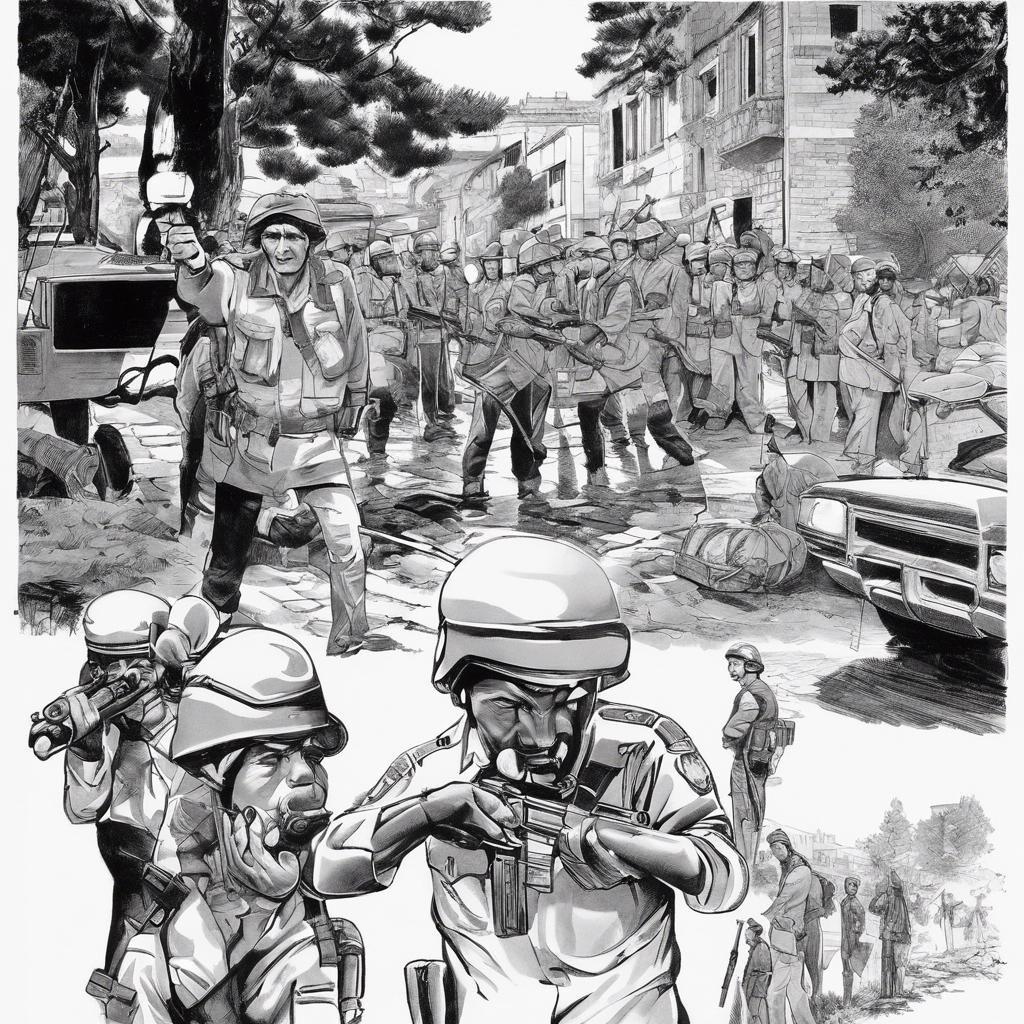
What Strategies Did International Organizations Implement To Counteract Negative Media Portrayals During The Yugoslav Wars?
Introduction
The Yugoslav Wars of the 1990s were marked by significant media attention that often presented the conflicts in biased and sensationalist ways. In response, various global organizations implemented multiple strategies to counter these portrayals and promote a more accurate understanding of the situation during these critical historical events.
Public Relations Campaigns
International organizations, such as the United Nations and numerous NGOs, initiated targeted public relations campaigns aimed at reshaping public perceptions of the Yugoslav Wars. These campaigns were vital for disseminating alternative narratives that highlighted humanitarian efforts, conflict resolution, and reconciliation efforts.
- Development of detailed informational brochures and extensive reports on humanitarian aid initiatives.
- Media briefings featuring on-the-ground experts to challenge sensationalist media coverage.
- Active engagement on social media platforms to connect with younger audiences and share verified information.
Collaboration with Local Media
Efforts were also focused on collaborating with local media in the affected regions of the Yugoslav Wars. By forming partnerships with journalists and local media outlets, international organizations sought to cultivate a reporting environment that emphasized themes of peace, reconciliation, and hope rather than conflict and violence.
- Training sessions for local journalists on ethical reporting practices during times of conflict.
- Collaborative news initiatives that spotlight peace efforts instead of merely reporting on violent incidents.
- Proactive outreach strategies to ensure accurate coverage of humanitarian issues and human rights concerns.
Fact-Checking Initiatives
To combat the widespread dissemination of misinformation, international organizations established dedicated fact-checking initiatives designed to verify claims made by media outlets. This approach was crucial in debunking falsehoods and providing the public with credible information about the Yugoslav Wars.
- Establishment of rapid response teams to promptly correct and address false narratives as they emerge.
- Strategic alliances with independent fact-checking organizations to enhance credibility and accuracy.
- Public distribution of verified facts to reinforce factual narratives regarding the conflicts.
Conclusion
Through these multifaceted strategies, global organizations aimed not only to counteract damaging media narratives but also to ensure that the accounts of the Yugoslav Wars were authentic and backed by credible evidence. By fostering collaboration, transparency, and open communication, these organizations sought to elevate public understanding of the complex realities surrounding the conflicts.
Expert Quote
Dr. David Campbell, Professor of Media and Cultural Studies at the University of Newcastle
In the context of conflict, media narratives profoundly shape public perception; thus, it is essential for international organizations to actively engage in the information landscape to better represent the realities of events on the ground.
Campbell, D. (2005). 'Media, War and Postmodernity'. Routledge.
Relevant Links
Declassified: A short history of NATO - NATO
https://www.nato.int/cps/en/natohq/declassified_139339.htmUnited States Strategy to Prevent and Respond to Gender-Based ...
https://www.state.gov/reports/united-states-strategy-to-prevent-and-respond-to-gender-based-violence-globally-2022/Use and Abuse of Media in Vulnerable Societies
https://www.usip.org/sites/default/files/sr110.pdfGeneral Assembly Overwhelmingly Adopts Resolution Demanding ...
https://press.un.org/en/2022/ga12407.doc.htmToolkit to Combat Trafficking in Persons
https://www.unodc.org/documents/human-trafficking/Toolkit-files/07-89375_Ebook%5B1%5D.pdfYouTube Videos
Most popular questions

How Do The Personal Relationships Among Gods Affect Their Decisions In The Iliad?
The intricate relationships among the gods in Homer's epic poem 'The Iliad' play a crucial role in shaping their actions and decisions. These divine interactions create a complex web of fates, where each god's personal alliances and rivalries directly influence the events of the mortal world.

What Strategies Can Parents Use To Educate Their Children About Online Safety Beyond Privacy Settings?
In today's digital landscape, teaching children about online safety is essential for their protection and well-being. While privacy settings play a critical role, parents can implement various strategies to create a thorough understanding of online safety principles among their children.
What Are The Different Types Of Insulation Materials Commonly Used In Buildings, And How Do They Compare In Terms Of Thermal Resistance?
Insulation materials are vital for enhancing energy efficiency in residential and commercial buildings by minimizing heat transfer. Understanding the various insulation types can lead to better choices for thermal resistance and overall comfort.
Most recent questions
What Are The Socio-economic Impacts Of Tourism Generated By Film Festivals Compared To Music Festivals?
Festivals play a pivotal role in boosting tourism and enhancing local economies, yet the socio-economic impacts of film festivals significantly differ from those of music festivals. This detailed comparison highlights various benefits and challenges associated with both types of festivals, influencing local communities in distinct ways.
What Role Does Live Music Play In Enhancing The Dining Experience At Food Festivals?
Live music plays an essential role in enhancing the dining experience at food festivals by creating an immersive atmosphere that beautifully complements the culinary delights available. It transforms a simple meal into a comprehensive sensory adventure, elevating the overall festival experience.
What Roles Do Cultural Norms Play In Shaping Audience Participation During Musical Performances?
Cultural norms represent the unwritten rules that influence how individuals engage and behave within a society. These norms are essential in shaping audience participation during musical performances, driven by expectations, shared values, and the traditions inherent in different cultures.