What Types Of Animals Are Commonly Used In Animal-assisted Therapy, And How Do Their Characteristics Contribute To The Therapy's Effectiveness?
Introduction
Animal-assisted therapy, often referred to as AAT, harnesses the powerful bond between humans and animals to facilitate emotional and physical healing. A diverse range of animal species can be instrumental in this therapeutic approach due to their distinctive characteristics, behaviors, and the comfort they bring to individuals undergoing treatment.
Common Animals Used in Animal-Assisted Therapy
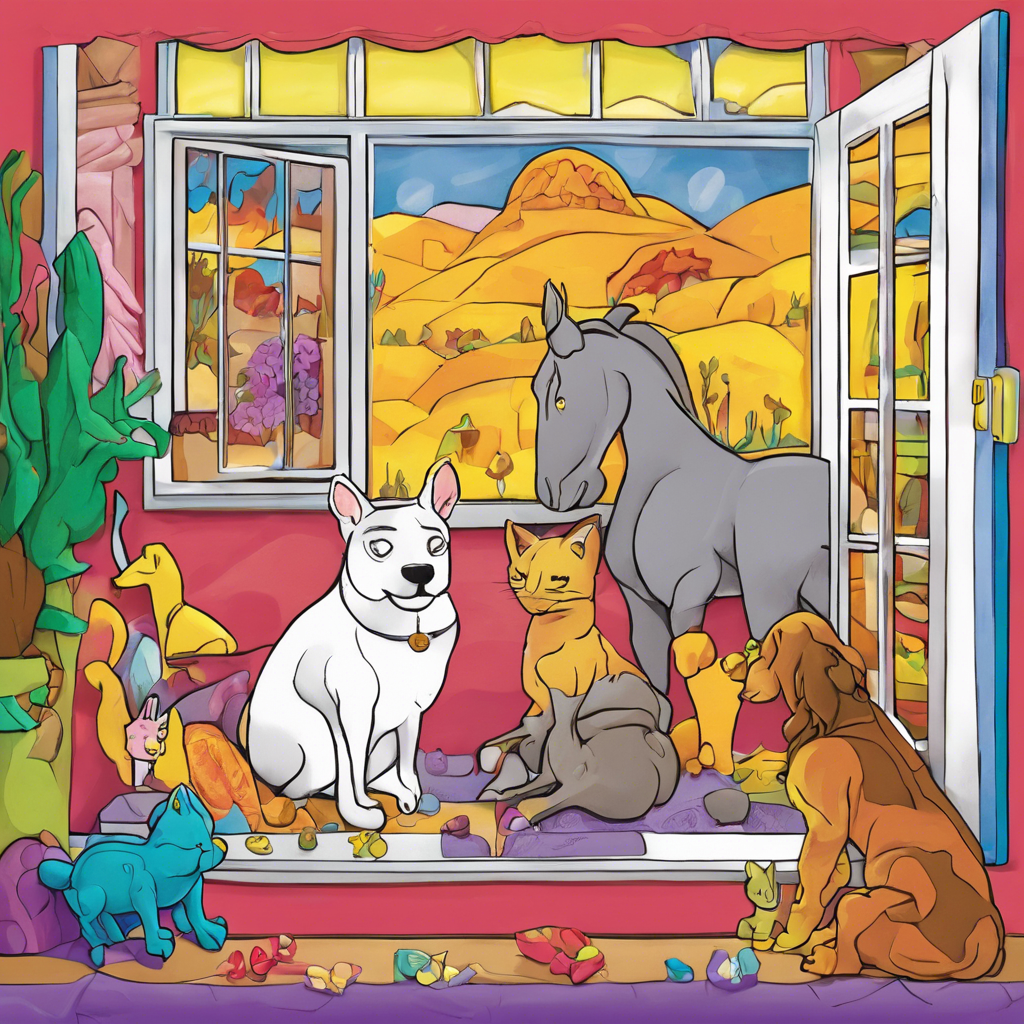
Animal-assisted therapy employs a wide array of animals, each selected for their unique traits that enhance therapeutic outcomes. The most commonly used animals in AAT include dogs, cats, horses, and smaller companions like guinea pigs, with each species contributing specific benefits to the therapeutic process.
- Dogs: Renowned for their loyalty and affection, dogs deliver companionship and emotional support. Their capacity to execute simple commands actively engages clients and fosters a sense of responsibility.
- Cats: Cats offer a soothing presence, promoting relaxation. The calming effect of their purring can significantly alleviate stress in therapy sessions.
- Horses: Equine therapy facilitates bodily awareness and emotional development, assisting in boosting self-esteem. The empathic nature of horses fosters deep connections with individuals.
- Small mammals: Animals like guinea pigs are gentle and non-intimidating, making them especially effective in therapy with children, providing comfort and reducing anxiety.
Effectiveness of Animal Characteristics in Therapy
The traits of animals involved in animal-assisted therapy are critical to its success. Recognizing how specific characteristics contribute to therapeutic effectiveness is essential in choosing the right animal for targeted therapy goals.
- Temperament: Animals that exhibit gentle and calm behaviors are ideal for therapeutic environments, creating a safe space for clients to engage with.
- Sociability: Animals that thrive on human interaction, such as dogs and cats, encourage client engagement, enhancing social skills and emotional connections.
- Intuition: Many animal species possess an innate ability to sense human emotions and respond accordingly, which reinforces the bond and enriches the therapeutic experience.
- Physical Presence: Engaging in tactile interactions with animals, such as petting a dog or cuddling small mammals, can alleviate stress and lower blood pressure, fostering relaxation and improving overall mental health.
Conclusion
The selection of animals in animal-assisted therapy is both varied and intentional, capitalizing on their inherent traits to promote healing and comfort. A comprehensive understanding of these influential animal characteristics can significantly enhance the therapeutic experience and improve client outcomes.
Expert Quote
Dr. Aubrey Fine, Psychologist and Author
Animals serve as catalysts for therapy, offering emotional support and improving social interaction through the unique bond they share with humans. Their presence alone can lead to significant reductions in anxiety and remarkable increases in healing.
The Handbook of Animal-Assisted Therapy, 2010
Relevant Links
Animal‐assisted therapy, including animal‐assisted activities and ...
https://www.ncbi.nlm.nih.gov/pmc/articles/PMC6477876/Animal Therapy Purpose, Benefits, and Types
https://www.verywellhealth.com/animal-therapy-5212800Animal therapy: How it works, benefits, and more
https://www.medicalnewstoday.com/articles/animal-therapyAnimal-assisted therapy - Wikipedia
https://en.wikipedia.org/wiki/Animal-assisted_therapyAnimal-assisted therapy: autistic children | Raising Children Network
https://raisingchildren.net.au/autism/therapies-guide/animal-assisted-therapyYouTube Videos
Most popular questions

How Do The Personal Relationships Among Gods Affect Their Decisions In The Iliad?
The intricate relationships among the gods in Homer's epic poem 'The Iliad' play a crucial role in shaping their actions and decisions. These divine interactions create a complex web of fates, where each god's personal alliances and rivalries directly influence the events of the mortal world.

What Strategies Can Parents Use To Educate Their Children About Online Safety Beyond Privacy Settings?
In today's digital landscape, teaching children about online safety is essential for their protection and well-being. While privacy settings play a critical role, parents can implement various strategies to create a thorough understanding of online safety principles among their children.
What Are The Different Types Of Insulation Materials Commonly Used In Buildings, And How Do They Compare In Terms Of Thermal Resistance?
Insulation materials are vital for enhancing energy efficiency in residential and commercial buildings by minimizing heat transfer. Understanding the various insulation types can lead to better choices for thermal resistance and overall comfort.
Most recent questions
What Are The Primary Motivations For Readers To Engage With Fan Fiction On Various Platforms?
Fan fiction has emerged as a lively and engaging community where readers delve into narratives that expand their cherished universes. This immersive experience is fueled by diverse motivations unique to every fan fiction reader.
What Are The Psychological Effects Of Celebrity Endorsements In Advertising Across Different Industries?
Celebrity endorsements have emerged as a key strategy in marketing and advertising, profoundly impacting consumer behavior across multiple sectors. By delving into the psychological effects of celebrity endorsements, we gain valuable insights into how they influence consumer perceptions and purchasing choices, making them an essential element of effective marketing strategies.
How Do Improvisation Techniques Vary Across Different Cultural Festivals?
Improvisation techniques play a vital role in cultural festivals worldwide, showcasing local traditions, artistic creativity, and spontaneous expressions. These techniques are heavily influenced by cultural contexts, historical backgrounds, and various art forms, highlighting the importance of improvisational arts in community engagement.