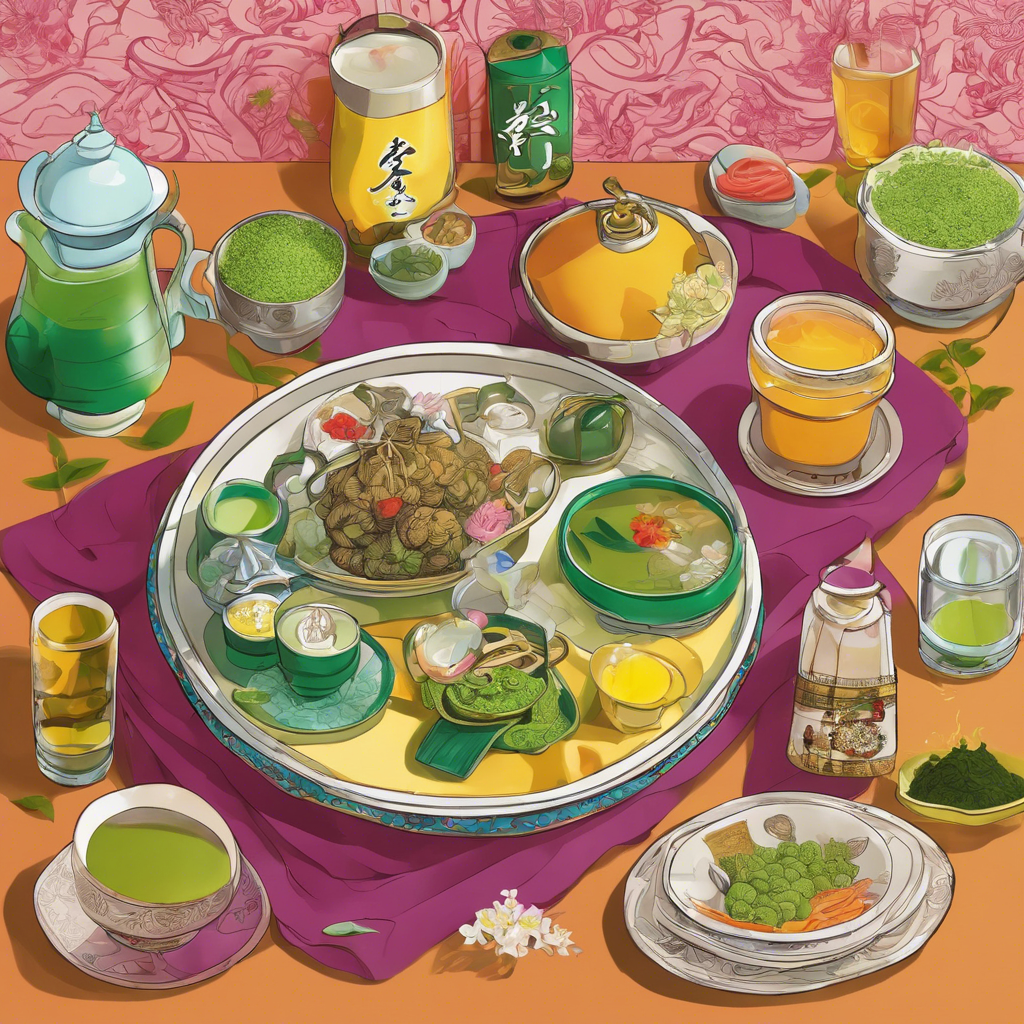
What Types Of Beverages Are Traditionally Paired With Asian Cuisines For Cultural Authenticity?
Introduction
Beverages significantly enhance the dining experience and flavor profiles of diverse Asian cuisines. Each regional Asian cuisine boasts its unique traditional drinks that not only complement the dishes but also embody cultural heritage. In this article, we delve into some of the most popular beverages paired with Asian food, highlighting their importance and cultural significance.
Traditional Asian Beverages by Region
Various Asian cultures have distinct beverages that are traditionally paired with meals, establishing a perfect harmony of flavors and cultural narratives. The selection of beverages accompanying food can differ extensively from one country to another and even among regions within the same country.
- In Chinese dining, tea varieties such as Jasmine, Oolong, and Pu-erh are essential beverages that elevate the dining experience and complement a wide array of dishes.
- Japanese cuisine typically includes green tea selections like Sencha, Matcha, and Hojicha, which not only cleanse the palate but also enhance the umami experience of sushi and sashimi.
- Thai cuisine often features sweetened iced tea or herbal drinks made from lemongrass and pandan, which beautifully balance the heat of spicy foods, with Thai iced tea being particularly popular.
- In Indian culinary traditions, lassi, a yogurt-based drink, is commonly served, providing a refreshing coolness against the spiciness of curries, with versions ranging from sweet to salty or flavored with fruit.
The Significance of Beverage Pairing in Asian Cuisine
Selecting the appropriate beverage is crucial for cultural authenticity and also enhances overall dining enjoyment. The right drink can transform a meal into a remarkable culinary experience. Here are several vital reasons for the importance of beverage pairing:
- Cultural significance: Traditional beverages reflect local customs and cultural richness, demonstrating the diversity that exists even within individual countries.
- Flavor enhancement: Certain beverages, especially those with roots in tradition, can intensify the flavors of food, providing a balanced and enriched dining experience.
- Digestive support: Many traditional Asian drinks are believed to assist with digestion, particularly after indulgent meals, effectively cleansing the palate and promoting better digestion.
Conclusion
By exploring the traditional beverages associated with Asian cuisines, diners can significantly enrich their culinary adventures. Thoughtfully pairing beverages with dishes opens the door to discovering the intricate flavors and cultural stories behind each meal. Whether enjoying tea, lassi, or herbal infusions, these beverages contribute to the authentic experience of Asian dining.
Expert Quote
Chef Kenji López-Alt, Culinary Expert and Author
Beverages are essential in Asian cuisine not only for their flavors but also for their cultural stories. Each sip should harmonize with the dish to create a holistic dining experience.
The Food Lab: Better Home Cooking Through Science, 2015
Relevant Links
Wine Pairing: Sushi & the Asian Palate - The Wine Diplomats
https://winediplomats.com/sushi/50 Traditional Japanese Foods: Top Traditional Dishes
https://www.byfood.com/blog/travel-tips/japanese-traditional-foodsIs honey walnut shrimp or chicken generally considered 'white ...
https://www.reddit.com/r/chinesefood/comments/11y65mk/is_honey_walnut_shrimp_or_chicken_generally/The Best of the Traditional Cuisine In Morocco
https://amazingfoodanddrink.com/exploring-traditional-cuisine-in-morocco/What are some good alcoholic drinks to pair with Asian cuisine ...
https://www.quora.com/What-are-some-good-alcoholic-drinks-to-pair-with-Asian-cuisineYouTube Videos
Most popular questions

How Do The Personal Relationships Among Gods Affect Their Decisions In The Iliad?
The intricate relationships among the gods in Homer's epic poem 'The Iliad' play a crucial role in shaping their actions and decisions. These divine interactions create a complex web of fates, where each god's personal alliances and rivalries directly influence the events of the mortal world.

What Strategies Can Parents Use To Educate Their Children About Online Safety Beyond Privacy Settings?
In today's digital landscape, teaching children about online safety is essential for their protection and well-being. While privacy settings play a critical role, parents can implement various strategies to create a thorough understanding of online safety principles among their children.
What Are The Different Types Of Insulation Materials Commonly Used In Buildings, And How Do They Compare In Terms Of Thermal Resistance?
Insulation materials are vital for enhancing energy efficiency in residential and commercial buildings by minimizing heat transfer. Understanding the various insulation types can lead to better choices for thermal resistance and overall comfort.
Most recent questions
How Do Social Media Platforms Shape The Way Influencers Promote Emerging Music Trends?
Social media platforms such as Instagram, TikTok, and Twitter have become essential in the promotion of emerging music trends, acting as a dynamic stage and amplifier for new sounds and artists. This rapidly evolving landscape is shaped by user engagement and algorithmic changes, directly impacting which music trends gain popularity.
What Are Some Popular Dessert Pairings With Complementary Flavors?
Desserts are often the ultimate highlight of any meal, and skillfully pairing them with complementary flavors can significantly elevate the overall dining experience. By understanding the art of flavor combinations, you can transform a simple dessert into an extraordinary culinary treat that delights the senses.
What Role Does Gender Play In The Exploration Of Power Dynamics In Films Versus The Exploration Of Class Struggles In Historical Texts?
The interplay of gender dynamics and class struggles in media and literature serves as a powerful lens for examining socioeconomic power structures. In films, gender representation significantly influences narratives and character development, while historical texts delve into the class conflicts that expose societal disparities and the quest for power. This analysis explores how these two themes prompt critical reflections on societal constructs related to gender and class power.