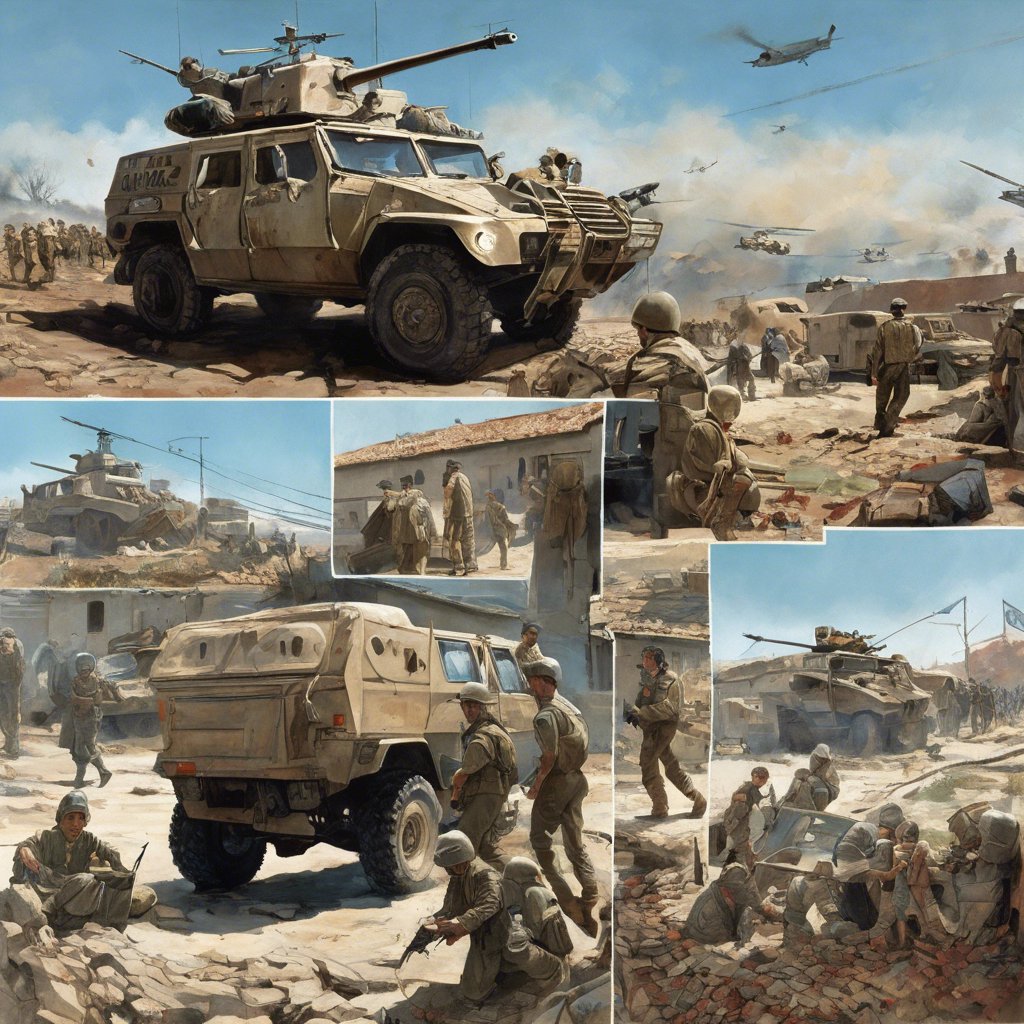
What Were The Humanitarian Efforts Undertaken By The United Nations During The Yugoslav Wars, And How Effective Were They?
Introduction
The Yugoslav Wars, which erupted in the 1990s, represented a catastrophic series of military conflicts that wrought immense human suffering and widespread displacement across the region. In the wake of this humanitarian crisis, the United Nations (UN) launched numerous aid initiatives aimed at providing essential support to the affected populations. Despite extensive efforts, the effectiveness and impact of these UN-led humanitarian initiatives are frequently the subject of analysis and debate.
UN Humanitarian Initiatives During the Yugoslav Wars
Throughout the Yugoslav Wars, the United Nations undertook several critical humanitarian initiatives to address escalating needs caused by the conflict. These initiatives included the implementation of comprehensive humanitarian aid programs, safeguarding for displaced individuals, and the deployment of peacekeeping forces, each experiencing different levels of success.
- Creation of the United Nations High Commissioner for Refugees (UNHCR), focusing on assisting millions of displaced populations.
- Emergency food aid efforts via the World Food Programme (WFP), aimed at preventing starvation among affected populations.
- Establishment of designated safe zones where vulnerable civilians could seek protection from ongoing violence, such as in Srebrenica, which faced later security breaches.
Evaluating the Effectiveness of UN Humanitarian Efforts
Assessing the effectiveness of UN humanitarian efforts throughout the Yugoslav Wars reveals a nuanced landscape. While numerous initiatives provided indispensable support, underlying challenges related to implementation and coordination significantly impacted their overall success, leading to both commendations and criticisms regarding the UN's response strategies.
- Aid deliveries were frequently obstructed by ongoing conflict and bureaucratic obstacles, limiting access to at-risk populations.
- Safe zones were tragically compromised, culminating in the horrific Srebrenica massacre, where UN peacekeepers failed to fulfill their protective commitments.
- The humanitarian response faced considerable critique for delays, confusion, and inadequate coordination among various UN agencies and non-governmental organizations (NGOs).
Conclusion
In summary, while the United Nations' humanitarian initiatives during the Yugoslav Wars played a crucial role in addressing immediate humanitarian needs, significant challenges hampered their overall effectiveness. Gaining insights from these experiences is vital for enhancing future humanitarian responses and interventions. The lessons learned underscore the importance of robust coordination and swift action in crisis settings.
Expert Quote
Dr. Peter van Gallen, Humanitarian Affairs Expert
The humanitarian response during the Yugoslav Wars highlights the critical need for effective coordination and timely action. The UN's efforts were significant but often fell short due to bureaucratic delays and security challenges. Lessons learned should guide future interventions in complex emergencies.
Journal of Humanitarian Assistance, 'Challenges of Humanitarian Action in the 1990s', 2019
Relevant Links
Former Yugoslavia - UNPROFOR
https://peacekeeping.un.org/mission/past/unprof_b.htmPeacekeeping Operations | Security Council
https://main.un.org/securitycouncil/en/content/repertoire/peacekeeping-missionsUNMIBH: United Nations Mission in Bosnia Herzegovina - Background
https://peacekeeping.un.org/ru/mission/past/unmibh/background.htmlDeclassified: A short history of NATO - NATO
https://www.nato.int/cps/en/natohq/declassified_139339.htmSECURITY COUNCIL REJECTS DEMAND FOR CESSATION OF ...
https://press.un.org/en/1999/19990326.sc6659.htmlYouTube Videos
Most popular questions

How Do The Personal Relationships Among Gods Affect Their Decisions In The Iliad?
The intricate relationships among the gods in Homer's epic poem 'The Iliad' play a crucial role in shaping their actions and decisions. These divine interactions create a complex web of fates, where each god's personal alliances and rivalries directly influence the events of the mortal world.

What Strategies Can Parents Use To Educate Their Children About Online Safety Beyond Privacy Settings?
In today's digital landscape, teaching children about online safety is essential for their protection and well-being. While privacy settings play a critical role, parents can implement various strategies to create a thorough understanding of online safety principles among their children.
What Are The Different Types Of Insulation Materials Commonly Used In Buildings, And How Do They Compare In Terms Of Thermal Resistance?
Insulation materials are vital for enhancing energy efficiency in residential and commercial buildings by minimizing heat transfer. Understanding the various insulation types can lead to better choices for thermal resistance and overall comfort.
Most recent questions
What Role Do Other Elements Like Decor And Lighting Play In Creating The Overall Ambiance Of An Italian Restaurant Alongside Music?
Creating the ideal atmosphere in an Italian restaurant requires a harmonious blend of essential elements such as decor, lighting, and music. Each of these factors plays a significant role in shaping the overall dining experience, inviting guests to relax and savor their meals in a delightful Italian setting.
What Are The Criteria Used To Determine Player Rankings In Various Card Games Compared To Board Games?
Understanding player rankings in card games and board games is essential to grasp the competitive landscape and strategic depth of these popular game genres. This comparison reveals the diverse criteria used to evaluate player performance and skill across card games and board games, providing insights into how rankings are established.
How Do Modern Entertainment Platforms Affect Audience Engagement With Traditional Films?
The rise of modern entertainment platforms has significantly changed how audiences interact with traditional films. This transformation is reshaping film experiences, viewing habits, and audience expectations in the digital age.