What Were The Key Economic Conditions In Eastern Europe That Facilitated The Spread Of Communism?
Introduction
The spread of communism in Eastern Europe after World War II was heavily influenced by numerous economic factors that created a conducive environment for the ideology. A detailed understanding of these economic conditions is crucial to appreciating the socio-political landscape of the time during the Cold War.
Post-War Economic Instability in Eastern Europe
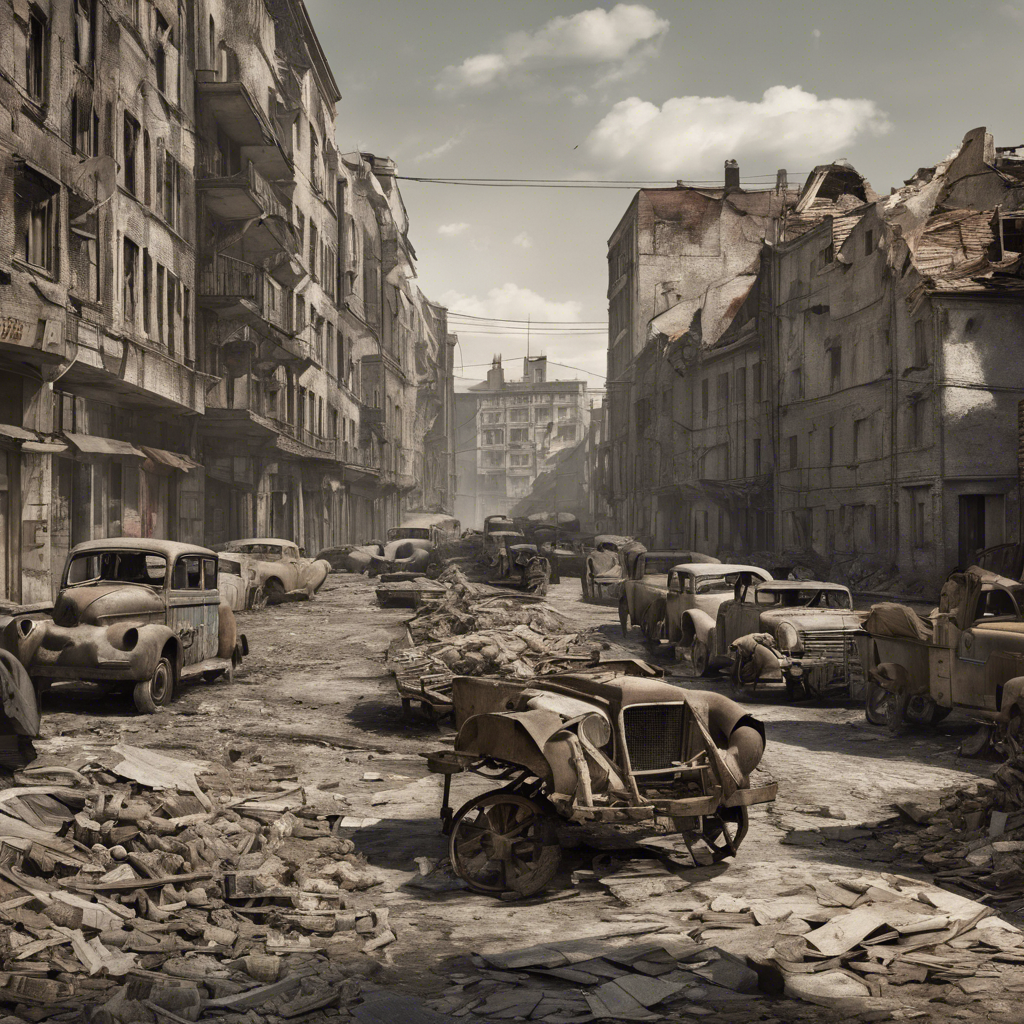
Following the destruction wrought by World War II, Eastern European countries encountered extreme economic turmoil. The wreckage of infrastructure, substantial workforce losses, and interrupted trade channels led to widespread poverty and rampant unemployment. Many citizens sought solutions to their dire economic situations, which made the communist ideology particularly appealing during this period.
- Massive destruction of industrial and agricultural capabilities owing to bombings and neglect during and after the war.
- Acute inflation and scarcity of essential goods heightened by post-war shortages and limited resources.
- Unemployment rates surged as many businesses were forced to close or were nationalized by the state.
Soviet Influence and Control in Eastern Europe
The Soviet Union emerged as a superpower post-war and voraciously promoted communism as a remedy for the economic dilemmas afflicting Eastern European countries. Through a blend of military presence, political leverage, and economic incentives, the USSR set up satellite states that adopted communist frameworks and policies.
- The establishment of influential communist parties in critical Eastern European nations, with robust backing from Soviet military forces.
- Economic assistance through initiatives like the Molotov Plan and military support consolidated Soviet power in the region.
- Promotion of state ownership of national resources and industries facilitated centralized economic planning.
The Appeal of Communist Ideology During Economic Hardship
Communism's focus on equality and communal management of resources struck a chord with numerous citizens facing hardships. It presented a radical and attractive alternative to capitalist systems which had inadequately addressed the needs of the populace during times of economic crisis.
- Ideological appeal centered on class struggle and championing worker rights, placing emphasis on the proletariat.
- Promised redistribution of wealth and striving to alleviate social inequalities, especially in the war's aftermath.
- In response to crises: the establishment of social safety nets and state-administered economic programs to benefit the public.
Conclusion
The economic landscape in Eastern Europe after World War II, marked by instability, Soviet influence, and the appealing message of communism, was pivotal to its proliferation. Analyzing these factors sheds light on the historical context of the Cold War era and the profound socio-economic changes within the region.
Expert Quote
Dr. Mark Kramer, Senior Fellow at the Davis Center for Russian and Eurasian Studies, Harvard University
The post-World War II economic devastation in Eastern Europe provided a unique opportunity for Soviet ideology to take root, as communism promised not only stability but also a means to address the urgent economic misery faced by the people.
Economic and Political Transition in Eastern Europe after 1945, Harvard University Press, 2018
Relevant Links
Marshall Plan (1948) | National Archives
https://www.archives.gov/milestone-documents/marshall-planGlobalTrends_2040.pdf
https://www.dni.gov/files/ODNI/documents/assessments/GlobalTrends_2040.pdfThe Marshall Plan: Design, Accomplishments, and Significance ...
https://www.everycrsreport.com/reports/R45079.htmlThe “Three Reforms” in China: Progress and Outlook
https://www.jri.co.jp/english/periodical/rim/1999/RIMe199904threereforms/YouTube Videos
Most popular questions

How Do The Personal Relationships Among Gods Affect Their Decisions In The Iliad?
The intricate relationships among the gods in Homer's epic poem 'The Iliad' play a crucial role in shaping their actions and decisions. These divine interactions create a complex web of fates, where each god's personal alliances and rivalries directly influence the events of the mortal world.

What Strategies Can Parents Use To Educate Their Children About Online Safety Beyond Privacy Settings?
In today's digital landscape, teaching children about online safety is essential for their protection and well-being. While privacy settings play a critical role, parents can implement various strategies to create a thorough understanding of online safety principles among their children.
What Are The Different Types Of Insulation Materials Commonly Used In Buildings, And How Do They Compare In Terms Of Thermal Resistance?
Insulation materials are vital for enhancing energy efficiency in residential and commercial buildings by minimizing heat transfer. Understanding the various insulation types can lead to better choices for thermal resistance and overall comfort.
Most recent questions
What Are Alternative Beverage Pairings That Can Elevate A Cheese Tasting Experience Similar To Wine?
Discovering beverage pairings for cheese can enhance your culinary experience and broaden your taste preferences beyond traditional wine suggestions. Unique beverages can beautifully complement a range of cheeses, creating delightful contrasts and taste harmonies that make every cheese plate unforgettable.
In What Ways Did The Advancements In 1980s Technology Influence The Sound Design And Music In Action Movies?
The 1980s marked a groundbreaking era for film technology, igniting transformative innovations that redefined sound design and music in action movies. Thanks to advancements in electronic instruments, digital recording techniques, and synthesizers, filmmakers discovered innovative methods to elevate the auditory experience of their films, setting the stage for modern soundscapes.
In What Ways Does The Depth Of Character Development Influence A Reader's Connection To The Narrative's Events?
Character development is a vital aspect of storytelling that plays an essential role in how readers perceive and emotionally connect with a narrative. Richly developed characters evoke a range of emotions which actively engage readers and draw them into the storyline, enhancing the overall reading experience.