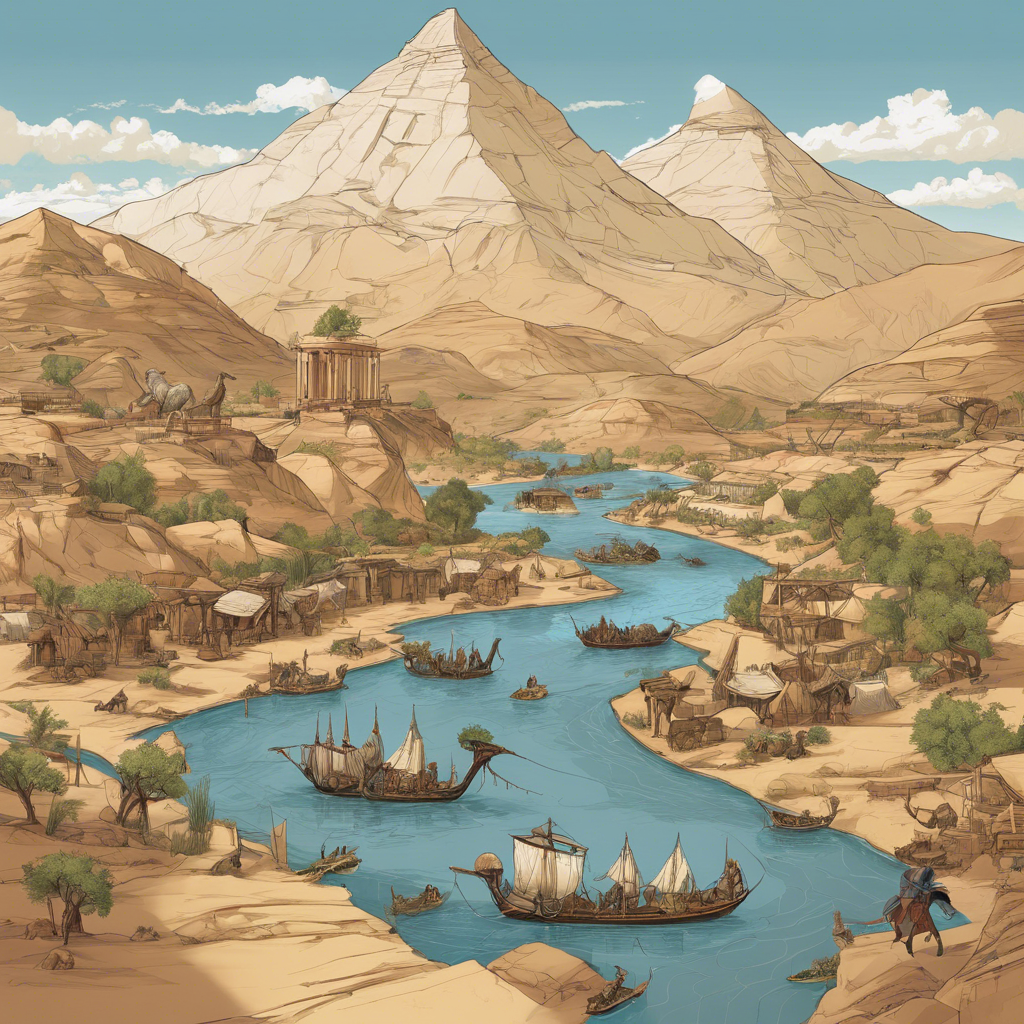
What Were The Key Geographical Factors That Influenced The Transportation Methods Used By Ancient Civilizations?
Introduction
Transportation methods in ancient civilizations were deeply influenced by geographical factors such as terrain, climate, and resource availability. By examining these influences, we gain valuable insights into how these societies developed their trade routes and communication systems, paving the way for modern logistics.
Influence of Terrain on Transportation
The physical landscape was a key determinant of how ancient civilizations transported goods and people. For example, mountainous regions limited the use of wheeled vehicles, leading to a reliance on pack animals or foot traffic. In contrast, expansive flat plains encouraged the development of chariots and carts, enabling efficient long-distance movement of goods.
- Mountainous terrains hindered large vehicle movement, promoting the use of mules and horses.
- Rivers served as natural highways, enhancing boat-building technologies and trade along waterways.
- Desert landscapes led to the establishment of caravan routes, relying on oases for sustenance during expeditions.
Impact of Climate on Transportation Choices
Climate conditions significantly affected the selection of transportation methods. In temperate climates, abundant farmland and forests allowed civilizations to create extensive road networks using diverse construction materials. Conversely, arid regions favored camel caravans, which were adapted for long-distance travel over sandy landscapes.
- Wet climates facilitated boat usage, leading to the evolution of advanced maritime trade networks.
- Cold environments necessitated innovative transport solutions such as sledges and snowshoes for winter travel.
Resource Availability and Transportation Development
The availability of natural resources including timber, metals, and fertile land greatly shaped transportation evolution. Civilizations with plentiful timber could construct durable ships for expansive trade routes, enhancing maritime commerce. On the other hand, regions with resource scarcity often relied on basic transport methods, depending heavily on human labor.
- Wood resources supported the construction of vessels for river and oceanic transportation.
- Limited resources led to simpler transportation methods, such as foot travel or the use of local animals.
Conclusion
Geographical factors have played a crucial role in shaping the transportation methods used by ancient civilizations, influencing everything from land formations to climate conditions and resource distribution. Each of these elements significantly affected how societies interacted, traded, and expanded, ultimately laying the groundwork for contemporary transportation systems.
Expert Quote
Dr. David Wengrow, Archaeologist and Co-author of 'The Dawn of Everything'
The transport systems of ancient civilizations were intricately designed in response to their environmental contexts, demonstrating a profound connection between geography and human innovation.
Interview with The Guardian, 2021
Relevant Links
Key Components of Civilization
https://education.nationalgeographic.org/resource/key-components-civilization/National Curriculum Standards for Social Studies: Chapter 2—The ...
https://www.socialstudies.org/national-curriculum-standards-social-studies-chapter-2-themes-social-studiesHistory Social Science Content Standards - Content Standards (CA ...
https://www.cde.ca.gov/be/st/ss/documents/histsocscistnd.pdfOhio's Learning Standards for Social Studies
https://education.ohio.gov/getattachment/Topics/Learning-in-Ohio/Social-Studies/Ohio-s-Learning-Standards-for-Social-Studies/SSFinalStandards01019.pdf.aspx?lang=en-USancient civilization - Students | Britannica Kids | Homework Help
https://kids.britannica.com/students/article/ancient-civilization/272856YouTube Videos
Most popular questions

How Do The Personal Relationships Among Gods Affect Their Decisions In The Iliad?
The intricate relationships among the gods in Homer's epic poem 'The Iliad' play a crucial role in shaping their actions and decisions. These divine interactions create a complex web of fates, where each god's personal alliances and rivalries directly influence the events of the mortal world.

What Strategies Can Parents Use To Educate Their Children About Online Safety Beyond Privacy Settings?
In today's digital landscape, teaching children about online safety is essential for their protection and well-being. While privacy settings play a critical role, parents can implement various strategies to create a thorough understanding of online safety principles among their children.
What Are The Different Types Of Insulation Materials Commonly Used In Buildings, And How Do They Compare In Terms Of Thermal Resistance?
Insulation materials are vital for enhancing energy efficiency in residential and commercial buildings by minimizing heat transfer. Understanding the various insulation types can lead to better choices for thermal resistance and overall comfort.
Most recent questions
How Do Regional Cultural Norms Affect The Effectiveness Of Algorithmic Recommendations Across Different Countries?
The effectiveness of algorithmic recommendations varies significantly across countries due to diverse regional cultural norms. Understanding these cultural differences is essential for developing algorithms that resonate with varied audiences and enhance user engagement in digital platforms.
How Do Fan Demographics Influence The Types Of Content That Gain Traction On Social Media For Emerging Artists?
The dynamic interplay between fan demographics and social media content is crucial for the success of emerging artists. By understanding how diverse groups consume online content, artists can effectively strategize their digital presence and maximize audience engagement.
What Were The Social Impacts Of Increased Restrictions On Nightlife In New York City During The 1990s?
In the 1990s, New York City underwent significant transformations in its nightlife scene due to stringent regulations designed to enhance public safety and reduce urban crime. These changes not only impacted the local economy but also had deep-seated social implications that reshaped community interactions and fostered new cultural expressions.