What Were The Primary Agricultural Techniques Used By Ancient Civilizations To Sustain Large Populations?
Introduction
Throughout history, ancient civilizations have crafted various innovative agricultural techniques to support the sustenance of large populations. These methods were meticulously adapted to the regional environments and unique resources available, showcasing the ingenuity of ancient farmers.
Irrigation Systems
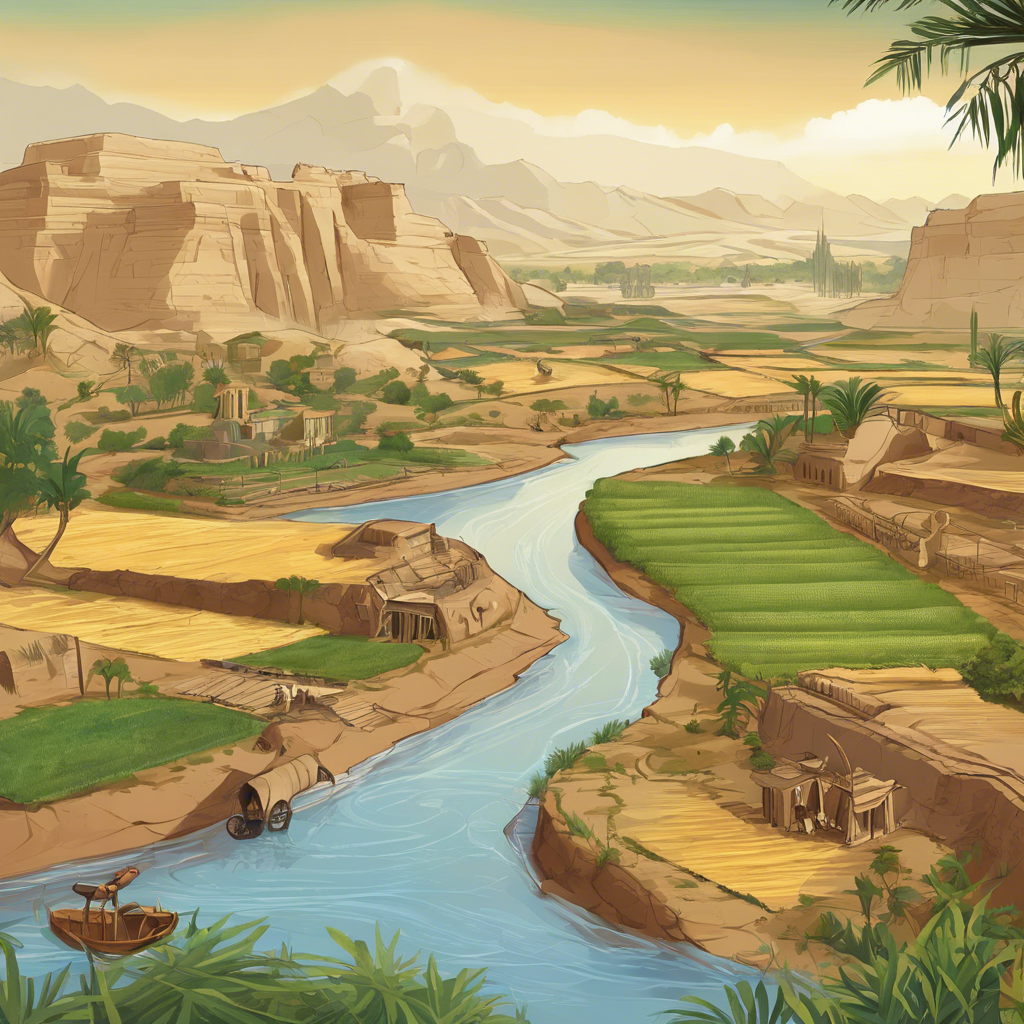
One of the most vital agricultural techniques employed by ancient civilizations was the development of advanced irrigation systems. These systems enabled communities to efficiently divert water from rivers and lakes, allowing for crop cultivation in arid regions lacking sufficient rainfall. For example, the ancient Egyptians engineered an extensive network of canals to manage the seasonal floods of the Nile River, while the Mesopotamians crafted intricate waterways to regulate the flow of the Tigris and Euphrates Rivers. This mastery of water management significantly boosted agricultural productivity, thereby supporting larger and more sustainable populations.
- Creation of intricate canals for effective water management
- Utilization of basins for optimal water storage and irrigation
- Advancement of drainage systems to prevent soil flooding
Crop Rotation and Diversification
Another essential agricultural technique was crop rotation and diversification. Ancient farmers realized that repetitive planting of the same crops would lead to nutrient depletion in the soil. By rotating various crops, such as legumes that naturally replenish nitrogen, they maintained soil fertility and enhanced crop yields. Additionally, cultivating a diverse range of crops mitigated the risks associated with crop failures triggered by pests, diseases, or adverse weather events, ensuring a stable food supply.
- Planting nitrogen-fixing legumes to improve soil health
- Implementing strategic seasonal crop rotation for optimal harvests
- Incorporating diverse crops to minimize pest and disease vulnerabilities
Terracing and Plowing Techniques
To adapt to diverse terrains, particularly in hilly and mountainous areas, ancient civilizations designed terracing systems to create flat agricultural plots. This method not only maximized arable land but also effectively reduced soil erosion. Furthermore, plowing techniques evolved with the introduction of iron plows in later periods, which proved more efficient in cultivating soil and preparing it for planting. These advancements in agricultural practices significantly enhanced farming efficiency and productivity.
- Constructing terraces for enhanced crop cultivation
- Employing wooden, bronze, or iron plows for effective soil cultivation
- Implementing erosion prevention strategies through thoughtful land management
Conclusion
In conclusion, ancient civilizations employed a range of innovative agricultural techniques, including irrigation systems, crop rotation, and terracing, to support their substantial populations. These advancements not only increased food production but also established foundational practices for modern agriculture. Examining these techniques reveals the remarkable innovations that permitted early societies to thrive and adapt effectively to their environments.
Expert Quote
Dr. Charles D. Sellers, Archaeologist and Author of 'Ancient Farming Techniques'
The ingenuity of ancient agricultural practices, particularly in irrigation and crop rotation, was fundamental to the success of early civilizations. These techniques not only enhanced food production but also played a crucial role in sustaining growing populations and facilitating urban development.
Book: 'Ancient Farming Techniques', 2019
Relevant Links
The Three Sisters of Indigenous American Agriculture | National ...
https://www.nal.usda.gov/collections/stories/three-sistersAncient Egyptian Agriculture | Food and Agriculture Organization of ...
https://www.fao.org/country-showcase/item-detail/en/c/1287824/History of Agriculture | Food System Primer
https://foodsystemprimer.org/production/history-of-agricultureKey Components of Civilization
https://education.nationalgeographic.org/resource/key-components-civilization/Agriculture in the Fertile Crescent & Mesopotamia - World History ...
https://www.worldhistory.org/article/9/agriculture-in-the-fertile-crescent--mesopotamia/YouTube Videos
Most popular questions

How Do The Personal Relationships Among Gods Affect Their Decisions In The Iliad?
The intricate relationships among the gods in Homer's epic poem 'The Iliad' play a crucial role in shaping their actions and decisions. These divine interactions create a complex web of fates, where each god's personal alliances and rivalries directly influence the events of the mortal world.

What Strategies Can Parents Use To Educate Their Children About Online Safety Beyond Privacy Settings?
In today's digital landscape, teaching children about online safety is essential for their protection and well-being. While privacy settings play a critical role, parents can implement various strategies to create a thorough understanding of online safety principles among their children.
What Are The Different Types Of Insulation Materials Commonly Used In Buildings, And How Do They Compare In Terms Of Thermal Resistance?
Insulation materials are vital for enhancing energy efficiency in residential and commercial buildings by minimizing heat transfer. Understanding the various insulation types can lead to better choices for thermal resistance and overall comfort.
Most recent questions
How Do Social Media Platforms Shape The Way Influencers Promote Emerging Music Trends?
Social media platforms such as Instagram, TikTok, and Twitter have become essential in the promotion of emerging music trends, acting as a dynamic stage and amplifier for new sounds and artists. This rapidly evolving landscape is shaped by user engagement and algorithmic changes, directly impacting which music trends gain popularity.
In What Ways Do Music Streaming Services Influence The Music Industry Economics Compared To Traditional Album Sales?
The emergence of music streaming services has radically transformed the economics of the music industry, shifting away from traditional album sales. This significant change impacts artists, record labels, and music consumers, redefining how music is created, distributed, and monetized in the digital era.
What Role Do Local Musicians Play In Shaping The Cultural Identity Presented At Traditional Music Festivals?
Local musicians are pivotal in shaping the cultural identity at traditional music festivals. As performers and cultural ambassadors, their distinctive styles and interpretations of music illustrate the rich heritage and vibrancy of their communities, delivering an engaging experience filled with sound and tradition at these cultural events.