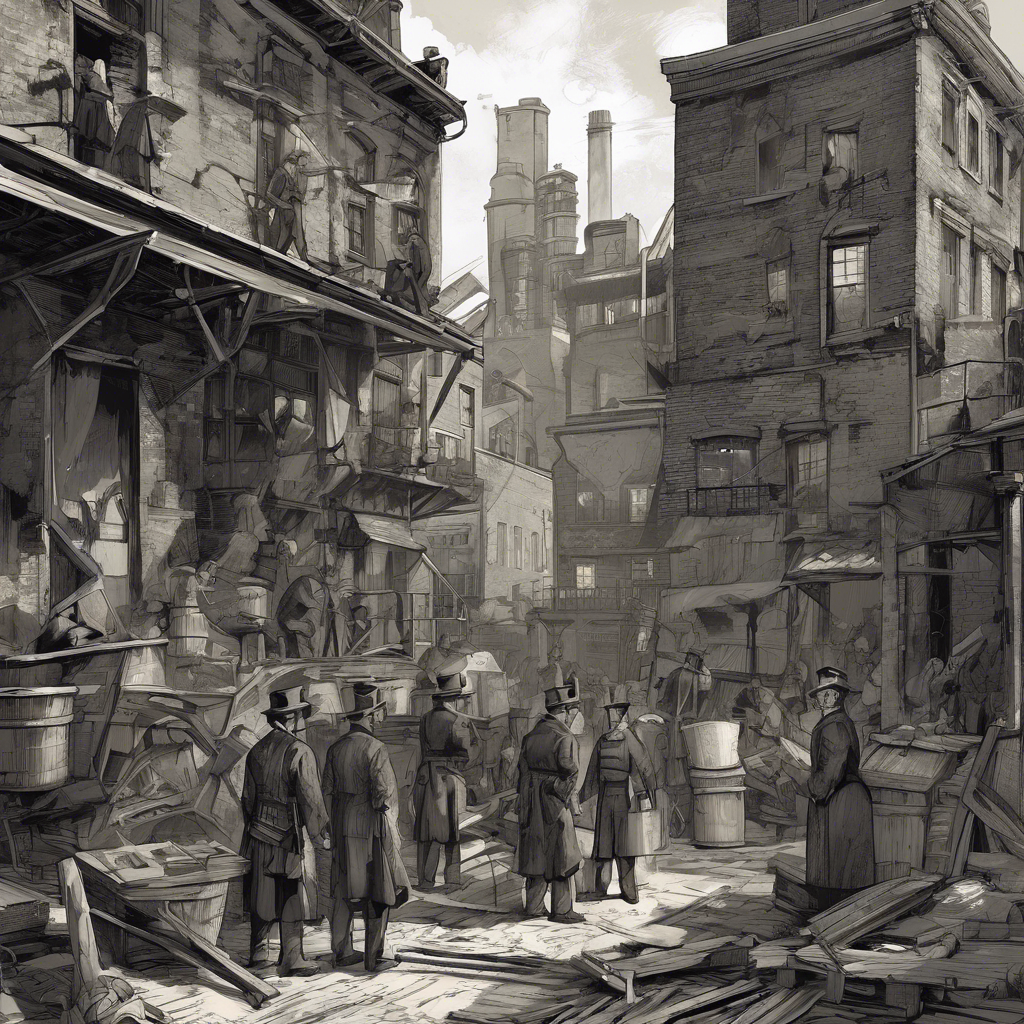
What Were The Social Implications Of Urbanization During The Industrial Revolution?
Introduction
Urbanization during the Industrial Revolution initiated a significant transformation in society, fundamentally altering social structures and living conditions. As people migrated to cities in search of employment and improved opportunities, a range of social implications emerged that reshaped urban communities and influenced individual lifestyles across the globe.
Transformations in Social Structure
The mass migration of workers to urban areas led to profound changes in social hierarchy and community dynamics. Traditional family and community structures were disrupted as individuals left rural life behind. This migration ushered in a new urban working class often in conflict with business owners and the affluent, establishing tensions that ignited social movements and labor rights discussions for many years to come.
- Emergence of a unique urban working class with distinct needs and challenges arising from industrialization.
- Heightened class disparities as wealth concentrated among factory owners and industrial leaders.
Consequences for Living Conditions
The rapid urban expansion exerted immense pressure on city infrastructure, resulting in many individuals living in overcrowded and unsanitary environments. Urbanization led to the proliferation of tenement housing associated with dire living conditions, which became breeding grounds for diseases and highlighted the negative consequences of industrial growth on public health.
- Overcrowding in cities frequently precipitated outbreaks of contagious diseases including cholera and typhoid fever.
- Workers endured long hours in perilous conditions, which sparked labor reform movements advocating for improved labor rights and protections.
Cultural Evolution in Urban Areas
Urbanization also catalyzed significant cultural shifts. The concentration of diverse populations in urban environments allowed for the exchange of ideas and cultural practices, creating vibrant urban cultural scenes while also generating social tensions. The growth of arts, entertainment, and new social institutions mirrored and shaped the evolving social landscape of cities.
- Creation of unique urban cultures that amalgamated various traditions and lifestyles, enriching cultural diversity.
- Emergence of social movements and organizations advocating for workers' rights, temperance, and comprehensive social welfare reforms.
Conclusion
The social implications of urbanization during the Industrial Revolution were profound and multifaceted, impacting social structures, cultural identity, and living conditions. These transformations established the foundation for modern society and catalyzed future social reforms.
Expert Quote
Dr. Eric Hobsbawm, Historian and Author
The speed and scale of urbanization during the Industrial Revolution transformed not just cities, but the very fabric of society, creating a new urban working class while revealing stark class disparities and new social challenges.
Hobsbawm, E. J. (1999). 'The Age of Revolution: Europe 1789-1848.' Vintage Books.
Relevant Links
Urbanization - Industrial Revolution, Population, Infrastructure ...
https://www.britannica.com/topic/urbanization/Impact-of-the-Industrial-RevolutionIndustrial Revolution on Urbanization | Social & Economic Changes ...
https://study.com/academy/lesson/urbanization-and-other-effects-of-the-industrial-revolution.htmlHow the Industrial Revolution Fueled the Growth of Cities | HISTORY
https://www.history.com/news/industrial-revolution-citiesHow Does Industrialization Lead to Urbanization?
https://www.investopedia.com/ask/answers/041515/how-does-industrialization-lead-urbanization.aspUrbanization | History of Western Civilization II
https://courses.lumenlearning.com/suny-hccc-worldhistory2/chapter/urbanization/YouTube Videos
Most popular questions

How Do The Personal Relationships Among Gods Affect Their Decisions In The Iliad?
The intricate relationships among the gods in Homer's epic poem 'The Iliad' play a crucial role in shaping their actions and decisions. These divine interactions create a complex web of fates, where each god's personal alliances and rivalries directly influence the events of the mortal world.

What Strategies Can Parents Use To Educate Their Children About Online Safety Beyond Privacy Settings?
In today's digital landscape, teaching children about online safety is essential for their protection and well-being. While privacy settings play a critical role, parents can implement various strategies to create a thorough understanding of online safety principles among their children.
What Are The Different Types Of Insulation Materials Commonly Used In Buildings, And How Do They Compare In Terms Of Thermal Resistance?
Insulation materials are vital for enhancing energy efficiency in residential and commercial buildings by minimizing heat transfer. Understanding the various insulation types can lead to better choices for thermal resistance and overall comfort.
Most recent questions
How Do Cultural Representations In Video Games Affect Players' Perceptions Of Real-world Cultures?
Cultural representation in video games is crucial for shaping players' perceptions of various global cultures. Through engaging storytelling, rich character development, and immersive gameplay, video games enable players not just to entertain themselves but also to engage with cultural narratives that can either challenge stereotypes or enhance cultural awareness.
What Role Does Live Music Play In Enhancing The Dining Experience At Food Festivals?
Live music plays an essential role in enhancing the dining experience at food festivals by creating an immersive atmosphere that beautifully complements the culinary delights available. It transforms a simple meal into a comprehensive sensory adventure, elevating the overall festival experience.
What Are Alternative Beverage Pairings That Can Elevate A Cheese Tasting Experience Similar To Wine?
Discovering beverage pairings for cheese can enhance your culinary experience and broaden your taste preferences beyond traditional wine suggestions. Unique beverages can beautifully complement a range of cheeses, creating delightful contrasts and taste harmonies that make every cheese plate unforgettable.